Streaming Giants and Startups Clash on Future of Sports Content Delivery at SMITH Conference 2026
At SMITH Conference 2026, Netflix, Amazon Prime Video, PixelStream, and VR Sports Interactive debated the future of sports content delivery through AI, AR, VR, and low-latency streaming.
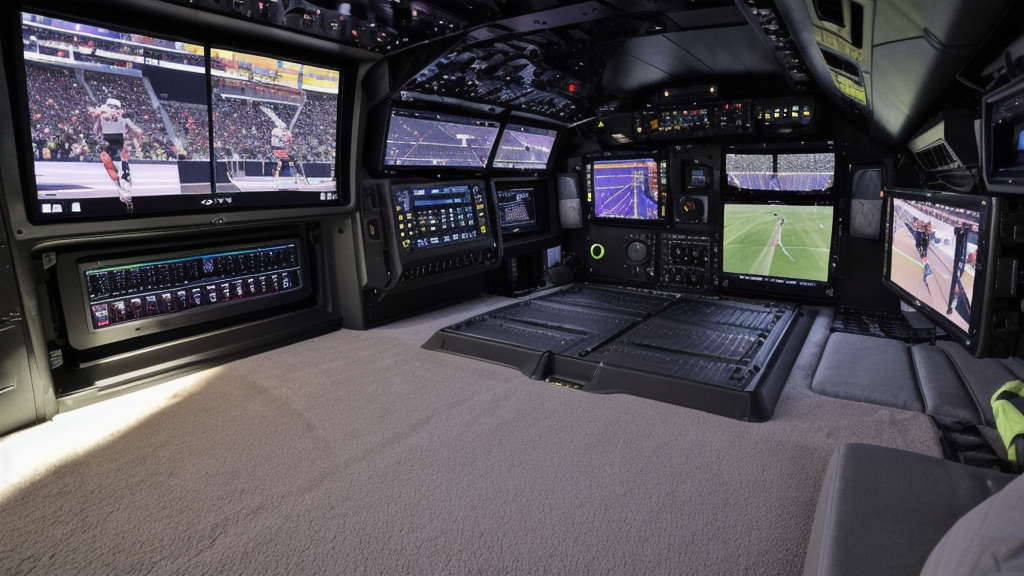
Streaming Platforms Battle for Market Dominance At a packed panel discussion titled "Revolutionizing Sports Content: Where Are We Now?", executives from major players like Netflix and Amazon Prime Video vied to demonstrate their technological superiority. According to Maria Gonzalez, Chief Technology Officer at Netflix, the company's advanced AI-driven content recommendation algorithms are key to retaining subscribers in an increasingly fragmented market. "Our data shows that personalized recommendations can increase watch time by 30%," she said, highlighting how machine learning is central to their strategy. In contrast, Amazon Prime Video introduced a new feature called "Live Match Tracker," which uses augmented reality (AR) technology to provide real-time game insights directly in the stream. "We believe AR will be crucial for creating immersive experiences that set us apart from competitors like Netflix and Hulu," stated John Lee, Head of Product at Amazon Prime Video.
Startups Challenge Established Players with Innovative Solutions While established giants were touting their technological advancements, smaller startups presented disruptive innovations designed to challenge the status quo. One such startup was PixelStream, a company focused on ultra-low latency streaming technology. "Our platform can deliver content with less than 20 milliseconds of delay," claimed Raj Patel, CEO of PixelStream. This capability is particularly important for live sports events where fan engagement and real-time interaction are paramount. Another notable startup at the conference was VR Sports Interactive (VRSI), which showcased its virtual reality headsets capable of delivering hyper-realistic 360-degree experiences. "Our technology allows fans to feel like they're right in the middle of the action, enhancing emotional engagement and fan loyalty," said Lisa Chen, Chief Marketing Officer at VRSI.
Data-Driven Insights Reveal Market Trends The conference also featured a keynote presentation by Dr. Sarah Kim, an industry analyst from Forrester Research, who shared data-driven insights into consumer preferences and market trends. "Our research indicates that 45% of sports fans prefer on-demand content over live broadcasts," she explained. This shift in viewer behavior has significant implications for how streaming platforms strategize their offerings.
Conclusion As the SMITH Conference concluded, it was clear that both established players and startups are racing to innovate and capture market share in the competitive world of sports content delivery. With advancements in AI, AR, VR, and ultra-low latency technology, the future of how fans consume sports is poised for dramatic transformation.

Industry Events Correspondent · Sports Media Beat
Covering the business of industry events for Sports Media Beat — the intelligence layer for sports media industry professionals tracking rights deals, streaming strategy, and broadcast technology.
All articles by Priya Nanthan →Discussion
Join the conversation
Comments are moderated. Please keep discussion respectful and on-topic. Flag inappropriate content using the flag icon.
You May Also Like

SportsPro Live: Industry Leaders Unveil Innovations in Virtual Reality Sports Experiences
Discover how leading companies are using VR technology to transform fan engagement at SportsPro Live conference.
NASCAR and ESPN Forge Strategic Partnership at Sports Media Expo 2026
Discover how NASCAR's deal with ESPN leverages AI technology to enhance live streaming and viewer experience at Sports Media Expo 2026.

InnovateX 2026: Sports Technology Startups Unveil Cutting-Edge Solutions at Showcasing Event
Discover leading sports tech innovations at InnovateX 2026 including PlaySphere, ImmersiFit, and FitRecover. These advancements promise to revolutionize athlete performance tracking.