State-of-the-Art Broadcast Infrastructure Installed at New Phoenix Stadium
Explore how Phoenix Stadium utilizes cutting-edge tech like Avid Pro Tools, Meyer Sound, Grass Valley LDX, and Cisco networking to enhance fan experiences.
Advanced Audio Solutions Powering Fan Experience At the heart of the broadcast setup is the Avid Pro Tools | HDX system, which offers unparalleled audio quality and flexibility for both live events and post-production work. The stadium's sound design also incorporates Meyer Sound loudspeakers, providing crystal-clear acoustics that resonate throughout the venue. "We aimed to create an immersive audio experience that caters to both on-site fans and remote viewers," said Sarah Chen, Audio Engineer at Phoenix Stadium. "The Avid Pro Tools | HDX system combined with Meyer Sound technology delivers just that, ensuring every moment is heard in its best form."
Robust Video Coverage Ensures Seamless Broadcasting Video production capabilities have been bolstered by the integration of Grass Valley LDX Series cameras, which offer exceptional image quality and a wide range of shooting options for various broadcast needs. Additionally, Sony's HDC-3500 4K camera system is utilized to capture high-definition footage in real-time. "The Grass Valley LDX cameras are pivotal in our live production setup," commented Mike Harris, Technical Director at Phoenix Stadium. "Their versatility and performance ensure that we can cover the action with precision and detail."
Enhanced Connectivity for Seamless Live Production Connectivity is a critical aspect of modern stadium infrastructure, and Phoenix Stadium has been equipped with a robust network backbone using Cisco's advanced networking solutions. This ensures seamless data transfer and reliable connectivity, supporting all aspects of live production. "Our partnership with Cisco has provided us with a highly resilient and scalable network infrastructure," added Harris. "This is crucial for our operations during high-traffic events."
Data Points Highlighting Technological Investment The investment in this broadcast infrastructure reflects the commitment to excellence. Key data points include: - Over 200 microphones installed across various areas of the stadium.
- Deployment of 15 Grass Valley LDX Series cameras and 4 Sony HDC-3500 4K cameras. - Network infrastructure capable of handling up to 10,000 concurrent users for remote access.
Conclusion The installation of this advanced broadcast infrastructure at Phoenix Stadium exemplifies the continuous innovation in stadium technology. With state-of-the-art solutions from leading companies like Avid, Meyer Sound, Grass Valley, Sony, and Cisco, Phoenix Stadium is poised to deliver exceptional experiences for both fans and broadcasters. As we look ahead, such investments will undoubtedly shape the future of live production in sports.

Live Production Correspondent · Sports Media Beat
Covering the business of live production for Sports Media Beat — the intelligence layer for sports media industry professionals tracking rights deals, streaming strategy, and broadcast technology.
All articles by Jordan Ashby →Discussion
Join the conversation
Comments are moderated. Please keep discussion respectful and on-topic. Flag inappropriate content using the flag icon.
You May Also Like
Broadband Infrastructure: A New Frontier for Live Sports Broadcasting
As the demand for high-quality live sports broadcasting continues to grow, the importance of reliable broadband infrastructure cannot be overstated. In this art
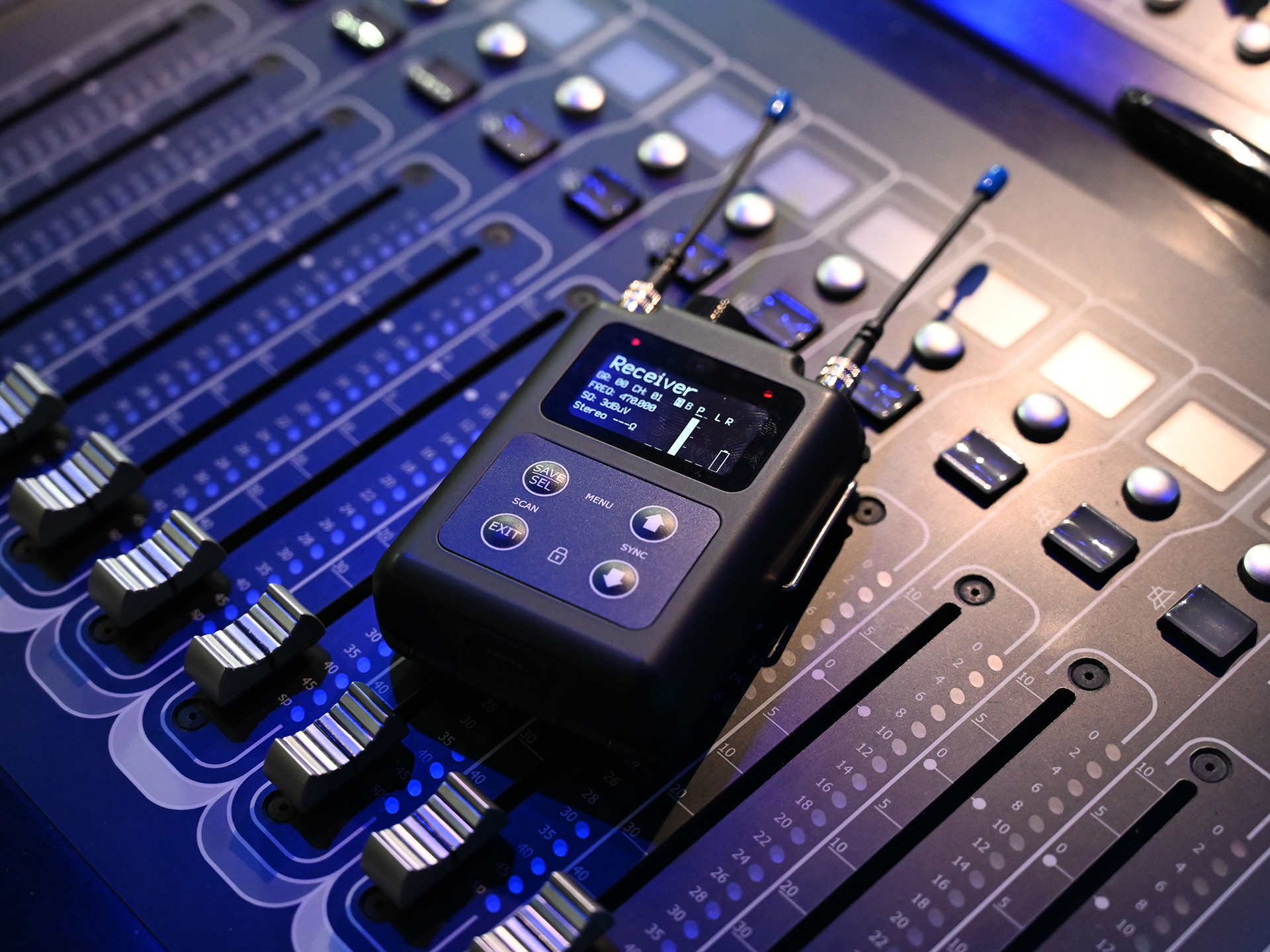
Wisycom MPR60, MATF, and PFL RFoF Box Target Stadium-Scale Wireless for World Cup and OB Fleets
Wisycom's updated MPR60 IFB receiver, MATF wideband antenna matrix, and PFL portable RF-over-fiber box give sports RF crews denser multichannel IFB, consol

Revolutionizing Live Sports: How Advanced Real-Time Graphics Engines Are Shaping the Future of Overlays
Discover how Vizrt's Viz Engine 4 and SportzCast's AI Graphics Studio are revolutionizing live sports with real-time graphics, enhancing viewer engagement and visual storytelling.