SMPTE ST 2110 Standard Reshapes Multi-Camera Synchronization in Live Sports Broadcasting
Discover how SMPTE ST 2110 is transforming multi-camera synchronization in live sports broadcasting for enhanced viewer experience and cost savings.
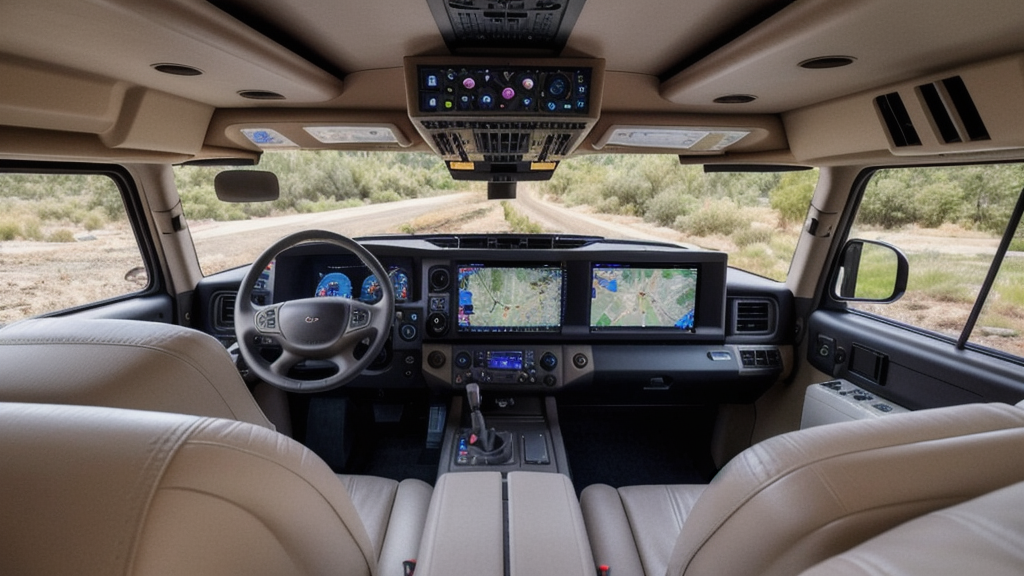
The world of live sports broadcasting is on the brink of a significant transformation, driven by advancements in technology aimed at improving multi-camera synchronization. The implementation of the Society of Motion Picture and Television Engineers (SMPTE) ST 2110 standard is set to redefine how broadcasters manage camera feeds, enhancing both production efficiency and viewer experience.
Precision Through IP-Based Networks
At the heart of this transformation lies the SMPTE ST 2110 suite of standards, which facilitates the transport of video, audio, and ancillary data over IP-based networks. This shift away from traditional SDI (Serial Digital Interface) offers broadcasters numerous advantages, including higher resolution support, greater flexibility in camera placement, and reduced costs associated with cabling infrastructure. "The SMPTE ST 2110 standard represents a quantum leap in how we handle multi-camera synchronization," stated Michael Chen, Chief Technology Officer at MediaStream Technologies. "It allows us to distribute video signals over existing IP networks without the need for specialized hardware, thereby lowering operational costs and improving scalability."
Enhanced Viewer Experience
One of the most significant benefits of adopting SMPTE ST 2110 is the enhanced viewer experience it enables. By ensuring precise synchronization between multiple cameras, broadcasters can deliver transitions between angles and improve the overall visual quality of sports broadcasts. "Precision is key in live sports broadcasting," emphasized Jane Lee, Director of Broadcast Operations at SportsNet Broadcasting. "With SMPTE ST 2110, we can now synchronize our cameras to within a fraction of a second, ensuring that every moment on the field is captured flawlessly and delivered to viewers with exceptional clarity."
Cost-Efficiency and Scalability
Beyond improved synchronization and viewer experience, the transition to IP-based broadcasting also offers substantial cost savings. By leveraging existing network infrastructure, broadcasters can reduce expenses related to hardware upgrades and maintenance while gaining the flexibility to scale operations as needed. According to a recent study by Deloitte, organizations that have implemented SMPTE ST 2110 standards reported an average reduction in operational costs by 35%, with some experiencing savings up to 50%. This financial benefit is particularly valuable in an industry where competition for top talent and high-quality content is fierce. The adoption of the SMPTE ST 2110 standard marks a pivotal moment in the evolution of live sports broadcasting. By enabling precise multi-camera synchronization over IP-based networks, this technology not only enhances viewer experience but also offers significant cost savings and operational flexibility. As more broadcasters embrace these advancements, the future of live sports coverage looks brighter than ever.

Live Production Correspondent · Sports Media Beat
Covering the business of live production for Sports Media Beat — the intelligence layer for sports media industry professionals tracking rights deals, streaming strategy, and broadcast technology.
All articles by Derek Malone →Discussion
Join the conversation
Comments are moderated. Please keep discussion respectful and on-topic. Flag inappropriate content using the flag icon.
You May Also Like
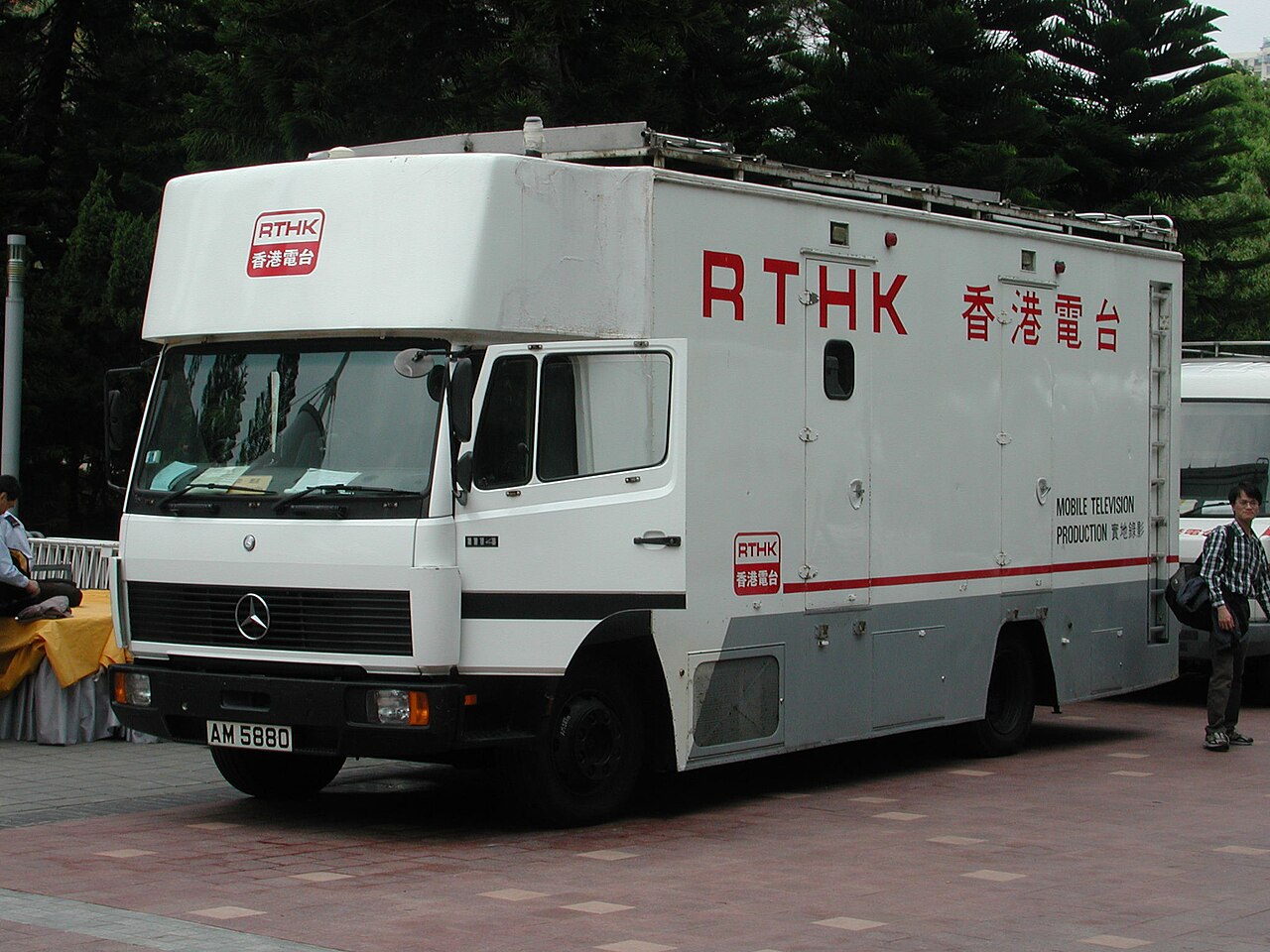
Broadband Infrastructure: A New Frontier for Live Sports Broadcasting
As the demand for high-quality live sports broadcasting continues to grow, the importance of reliable broadband infrastructure cannot be overstated. In this art
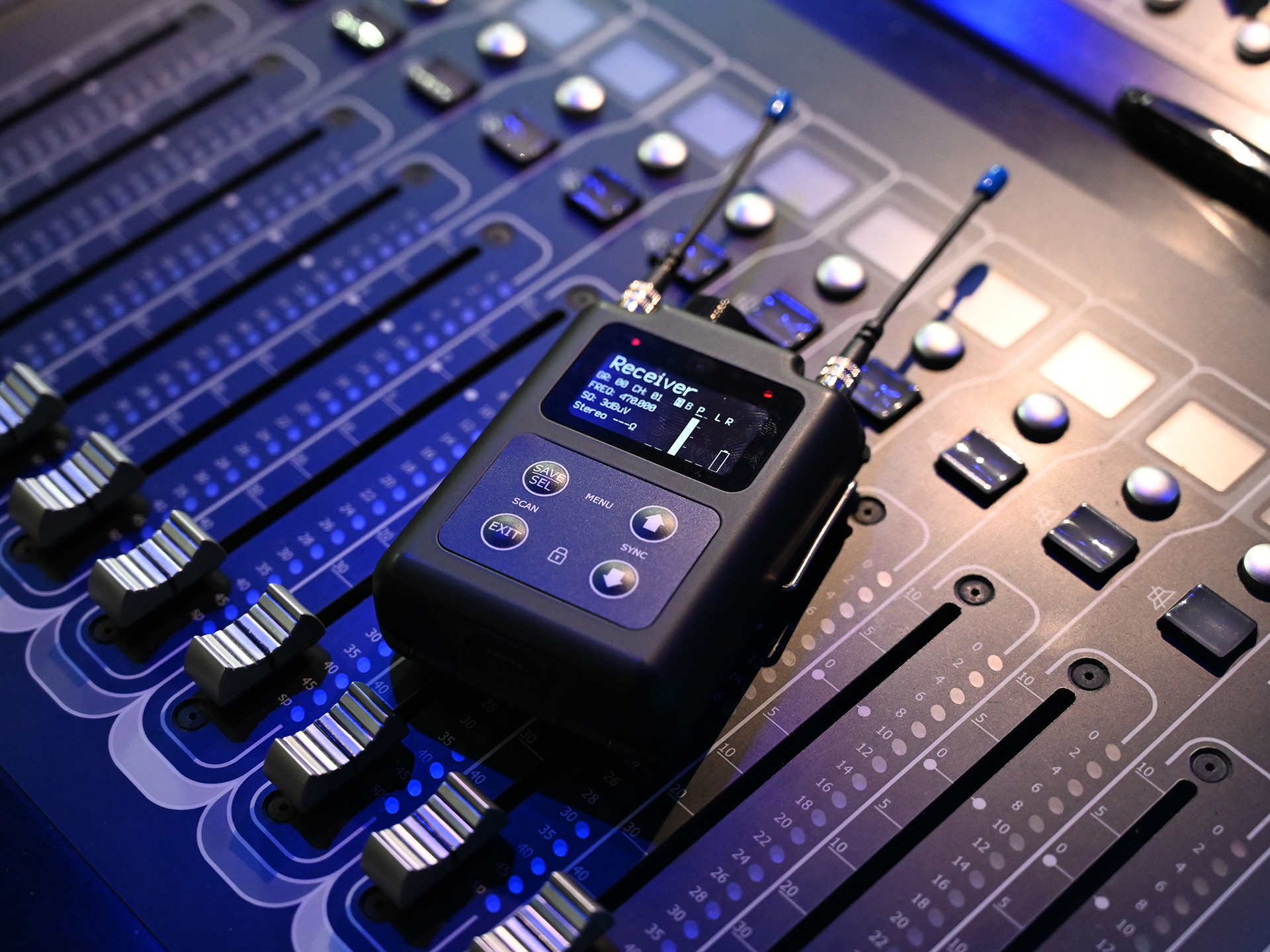
Wisycom MPR60, MATF, and PFL RFoF Box Target Stadium-Scale Wireless for World Cup and OB Fleets
Wisycom's updated MPR60 IFB receiver, MATF wideband antenna matrix, and PFL portable RF-over-fiber box give sports RF crews denser multichannel IFB, consol
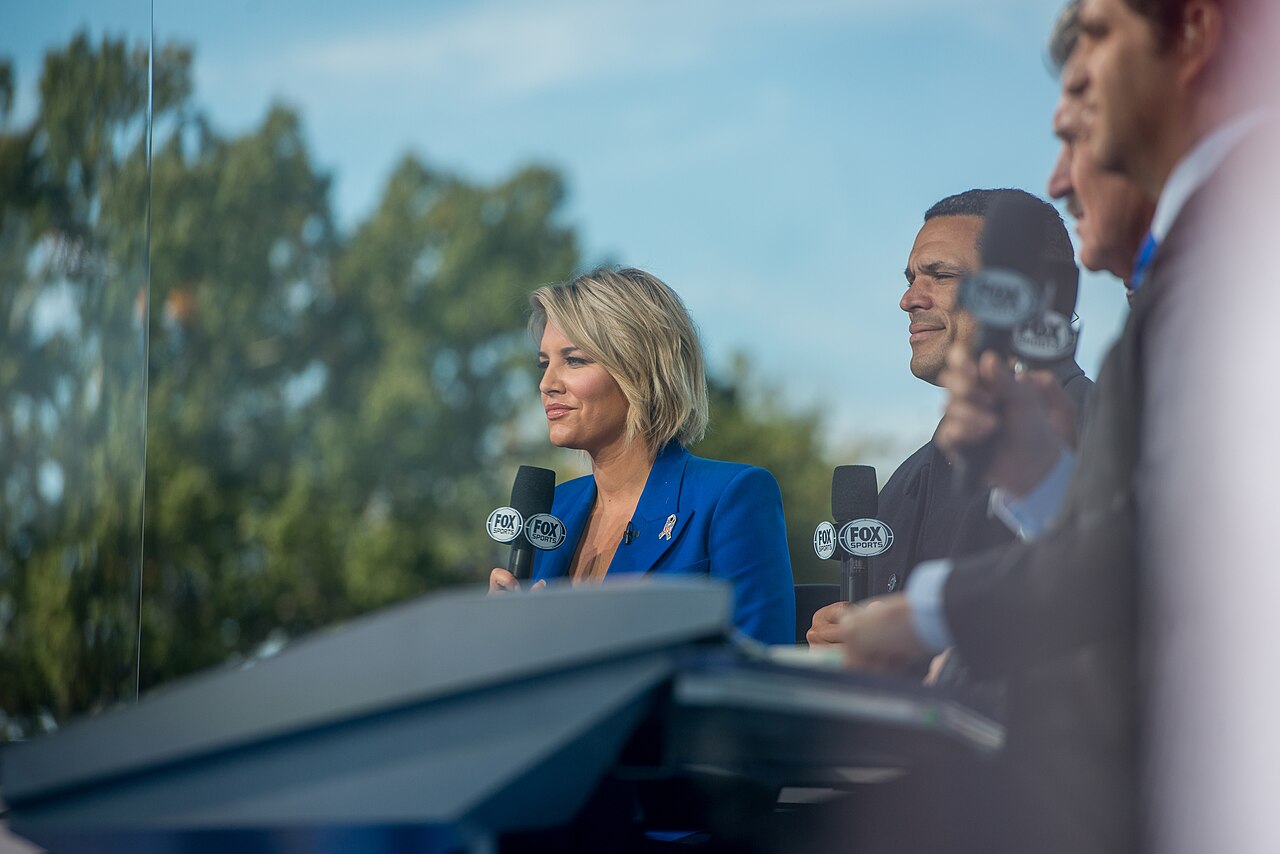
Revolutionizing Live Sports: How Advanced Real-Time Graphics Engines Are Shaping the Future of Overlays
Discover how Vizrt's Viz Engine 4 and SportzCast's AI Graphics Studio are revolutionizing live sports with real-time graphics, enhancing viewer engagement and visual storytelling.

