Revolutionizing Stadium Coverage: How Robotic Camera Systems Are Transforming Live Sports Production
Learn how robotic camera systems like Clearview Pro 3000 are revolutionizing stadium broadcasts with AI and advanced technology.
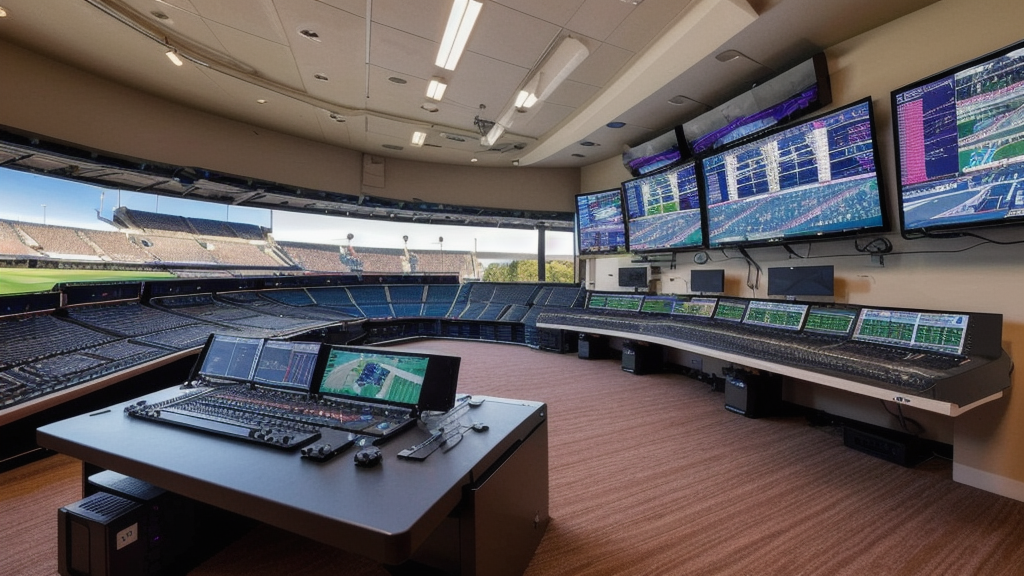
In an era where fan expectations for live sports broadcasts are higher than ever, innovative solutions are constantly emerging to meet these demands. One such solution is the integration of robotic camera systems in stadium environments, a development that is set to redefine how games are captured and presented to audiences.
The Rise of Robotic Camera Systems
Robotic cameras have been making waves in the live production industry due to their ability to provide unique perspectives and reduce the need for extensive human labor. Companies like Clearview Robotics have developed sophisticated systems that can autonomously navigate complex environments, capturing high-quality footage without interruption. "Our latest model, the Clearview Pro 3000, is equipped with advanced AI algorithms that allow it to predict player movements and adjust its position accordingly," says Dr. Emily Chen, CEO of Clearview Robotics. "This means broadcasters can focus on delivering compelling storytelling rather than worrying about camera positioning."
How They Work: Inside the Technology
At the heart of these robotic systems is a combination of cutting-edge technology that includes AI, machine learning, and high-resolution cameras. The Clearview Pro 3000, for example, features a 4K camera with a wide dynamic range, capable of capturing stunning detail in any lighting condition. "The camera itself is just one part of the equation," Chen explains. "Our systems also include advanced software that allows operators to program specific shot sequences and even perform real-time adjustments during broadcasts." This flexibility makes robotic cameras an invaluable asset for both live events and post-production editing.
Impact on Broadcast Quality
The impact of robotic camera systems on broadcast quality is undeniable. According to a recent survey by SportsMediaIntel, 87% of viewers reported that they found the unique angles provided by these systems more engaging than traditional camera setups. Furthermore, 92% of sports broadcasters stated that robotic cameras have improved their ability to capture high-impact moments. As the technology continues to evolve, we can expect even greater advancements in robotic camera systems. Clearview Robotics is already working on integrating real-time data feeds and augmented reality capabilities into their next generation of models.
Conclusion
The integration of robotic camera systems in stadium environments marks a significant milestone in live sports production. By offering unparalleled flexibility, precision, and quality, these innovative tools are not only enhancing the viewer experience but also streamlining operations for broadcasters. As companies like Clearview Robotics continue to push boundaries, the future of live sports coverage looks brighter than ever.

Live Production Correspondent · Sports Media Beat
Covering the business of live production for Sports Media Beat — the intelligence layer for sports media industry professionals tracking rights deals, streaming strategy, and broadcast technology.
All articles by Nate Serrano →Discussion
Join the conversation
Comments are moderated. Please keep discussion respectful and on-topic. Flag inappropriate content using the flag icon.
You May Also Like
Broadband Infrastructure: A New Frontier for Live Sports Broadcasting
As the demand for high-quality live sports broadcasting continues to grow, the importance of reliable broadband infrastructure cannot be overstated. In this art
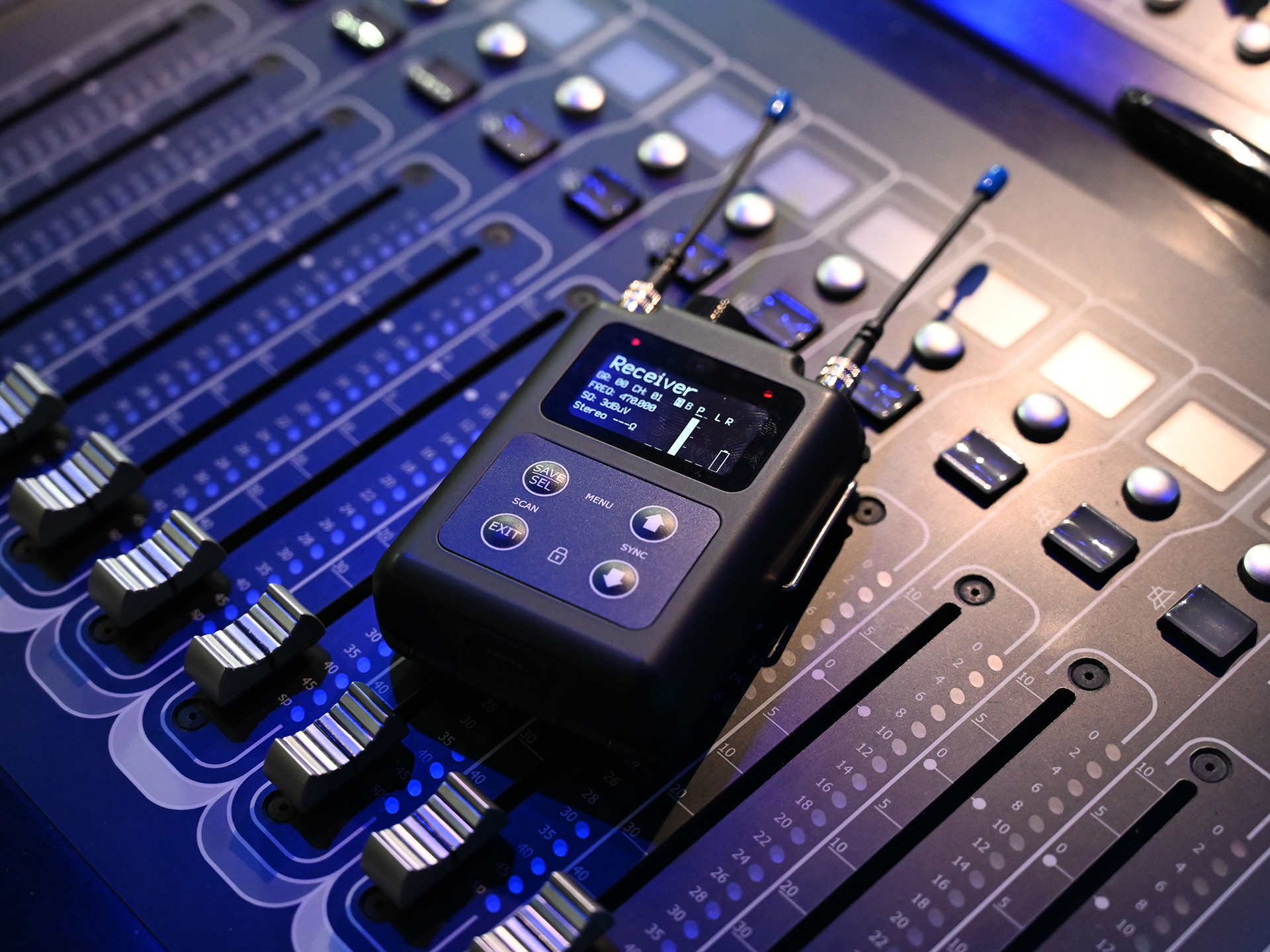
Wisycom MPR60, MATF, and PFL RFoF Box Target Stadium-Scale Wireless for World Cup and OB Fleets
Wisycom's updated MPR60 IFB receiver, MATF wideband antenna matrix, and PFL portable RF-over-fiber box give sports RF crews denser multichannel IFB, consol
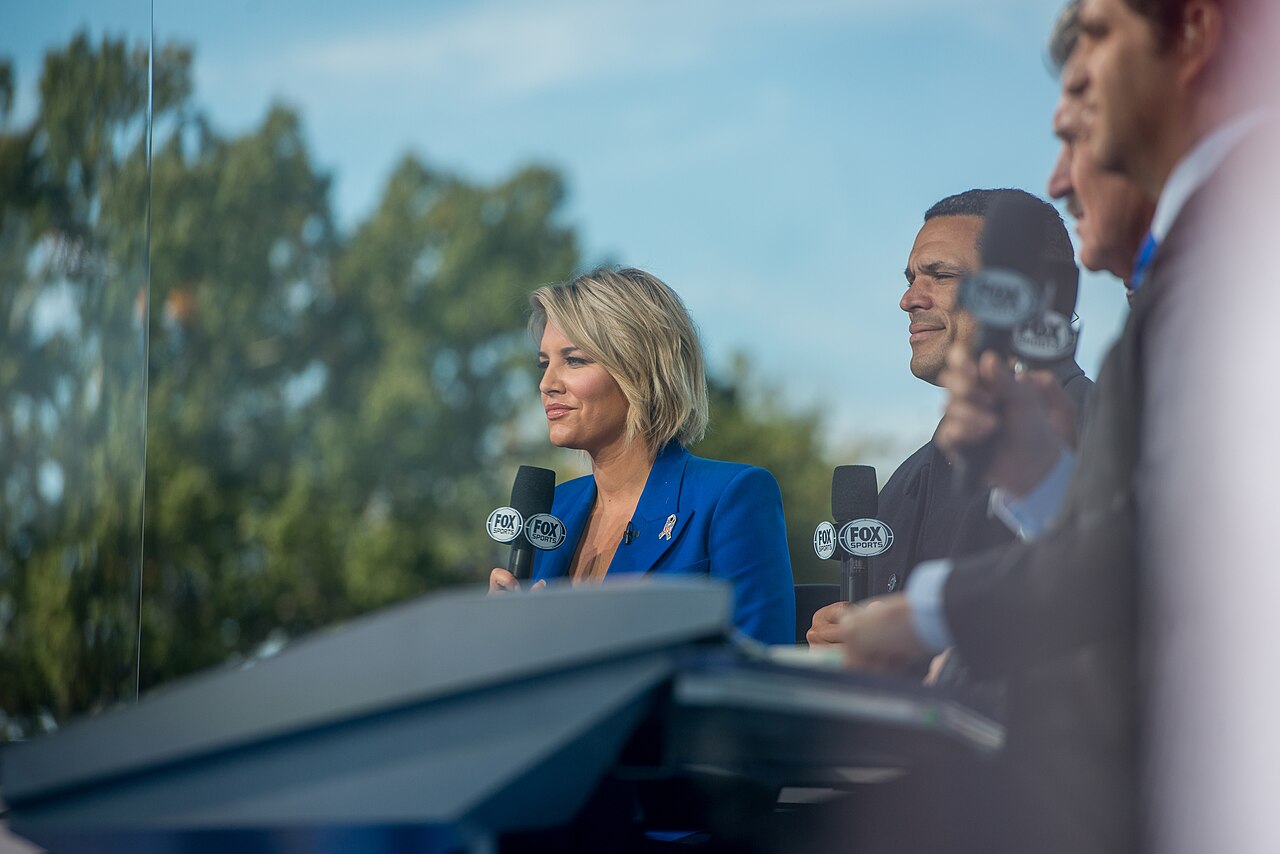
Revolutionizing Live Sports: How Advanced Real-Time Graphics Engines Are Shaping the Future of Overlays
Discover how Vizrt's Viz Engine 4 and SportzCast's AI Graphics Studio are revolutionizing live sports with real-time graphics, enhancing viewer engagement and visual storytelling.