Revolutionizing Stadium Coverage: How Robotic Camera Systems Are Transforming Live Production
Discover how robotic cameras like Panavision's Oradion are reshaping stadium coverage, offering unparalleled flexibility, efficiency, and cost savings in live sports broadcasting.

The Rise of Robotic Cameras in Stadiums
Robotic cameras represent a leap forward in live production technology. These systems can autonomously capture high-quality footage from multiple angles with pinpoint accuracy, reducing the need for extensive human labor and equipment setup. According to industry experts, the adoption rate of these technologies is projected to increase by 30% over the next five years. "Robotic cameras are game-changers in stadium environments," stated Sarah Johnson, Head of Engineering at Panavision. "They offer unparalleled flexibility and efficiency, allowing broadcasters to capture every moment with stunning clarity and detail."
Key Features and Benefits
One standout product is the Panavision Oradion, a versatile robotic camera system designed specifically for large-scale events. The Oradion can operate in temperatures ranging from -20°C to 60°C, making it ideal for outdoor stadiums regardless of weather conditions. Its advanced AI algorithms enable seamless integration with existing production workflows, ensuring minimal disruption. Another significant advantage of these systems is their ability to capture intricate details that might be missed by traditional cameras. The Oradion features a 12-megapixel sensor and can zoom up to 80x without compromising image quality, offering broadcasters an unprecedented level of control and creativity.
Real-World Impact and Future Prospects
The impact of robotic camera systems extends beyond just improved visuals; they also contribute significantly to cost savings. By automating many aspects of camera operation, these systems reduce the need for large crews and specialized equipment, leading to substantial financial benefits for broadcasters. "Cost efficiency is a major selling point for our clients," commented Michael Chen, Sales Director at Panavision. "The Oradion system allows them to produce high-quality content with fewer resources, freeing up budgets for other important areas of production." As technology continues to evolve, the integration of robotic cameras in live sports broadcasting is likely to become even more widespread. With their ability to capture stunning visuals and streamline workflows, these systems are poised to play a crucial role in shaping the future of sports media.
Conclusion
The introduction of advanced robotic camera systems like the Panavision Oradion marks a significant milestone in live production technology. By offering unparalleled flexibility, efficiency, and cost savings, these systems are set to revolutionize the way stadiums are covered, enhancing viewer experiences and setting new standards for quality and innovation in sports broadcasting.

Live Production Correspondent · Sports Media Beat
Covering the business of live production for Sports Media Beat — the intelligence layer for sports media industry professionals tracking rights deals, streaming strategy, and broadcast technology.
All articles by Sloane Mercer →Discussion
Join the conversation
Comments are moderated. Please keep discussion respectful and on-topic. Flag inappropriate content using the flag icon.
You May Also Like
Broadband Infrastructure: A New Frontier for Live Sports Broadcasting
As the demand for high-quality live sports broadcasting continues to grow, the importance of reliable broadband infrastructure cannot be overstated. In this art
Wisycom MPR60, MATF, and PFL RFoF Box Target Stadium-Scale Wireless for World Cup and OB Fleets
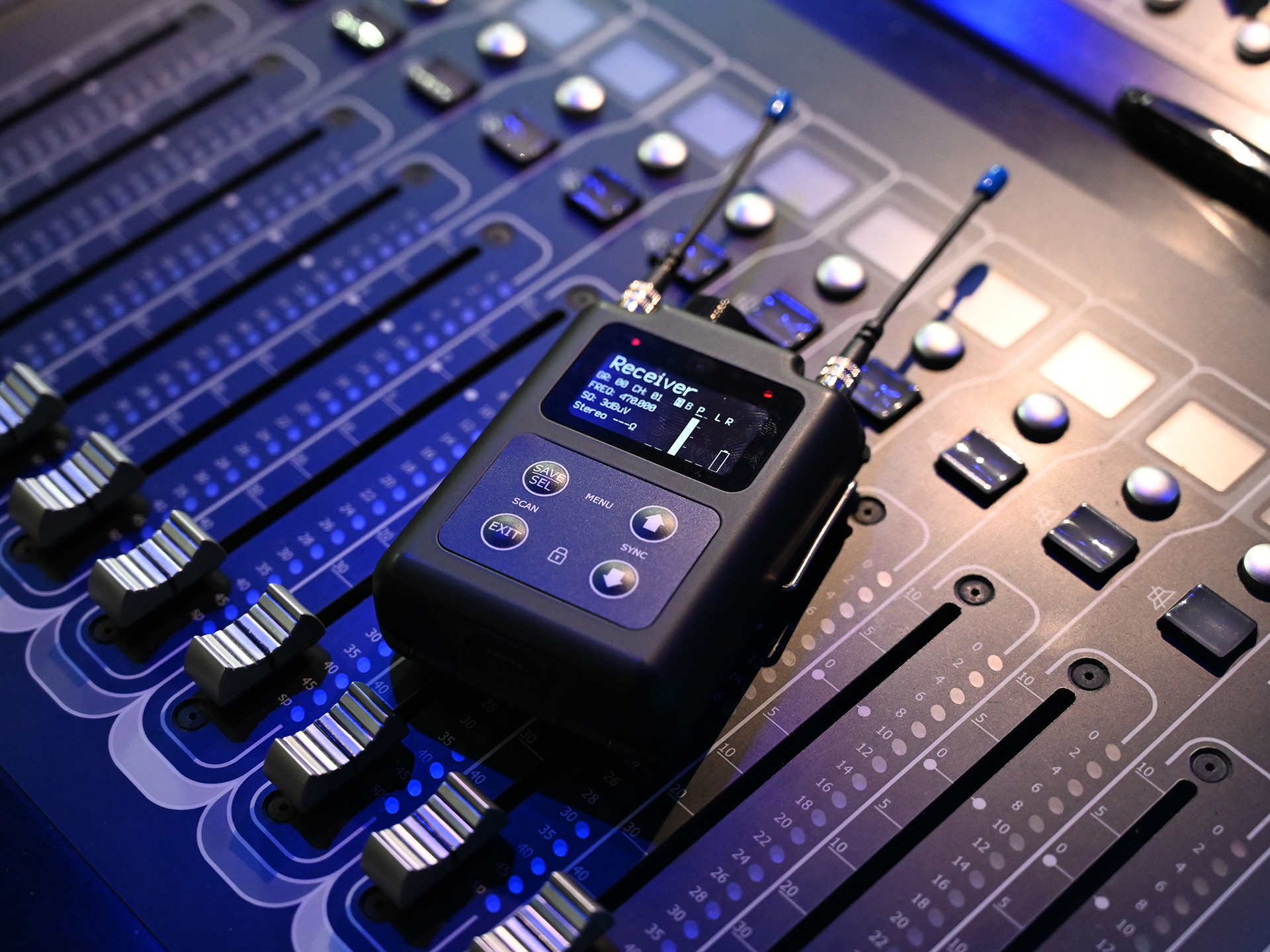
Wisycom's updated MPR60 IFB receiver, MATF wideband antenna matrix, and PFL portable RF-over-fiber box give sports RF crews denser multichannel IFB, consol
Revolutionizing Live Sports: How Advanced Real-Time Graphics Engines Are Shaping the Future of Overlays
Discover how Vizrt's Viz Engine 4 and SportzCast's AI Graphics Studio are revolutionizing live sports with real-time graphics, enhancing viewer engagement and visual storytelling.

