Revolutionizing Stadium Coverage: How Robotic Camera Systems Are Enhancing Live Production
Discover how robotic camera systems by Vizrt & Axis Communications are enhancing stadium coverage, improving viewer experience, and cutting costs in live production.
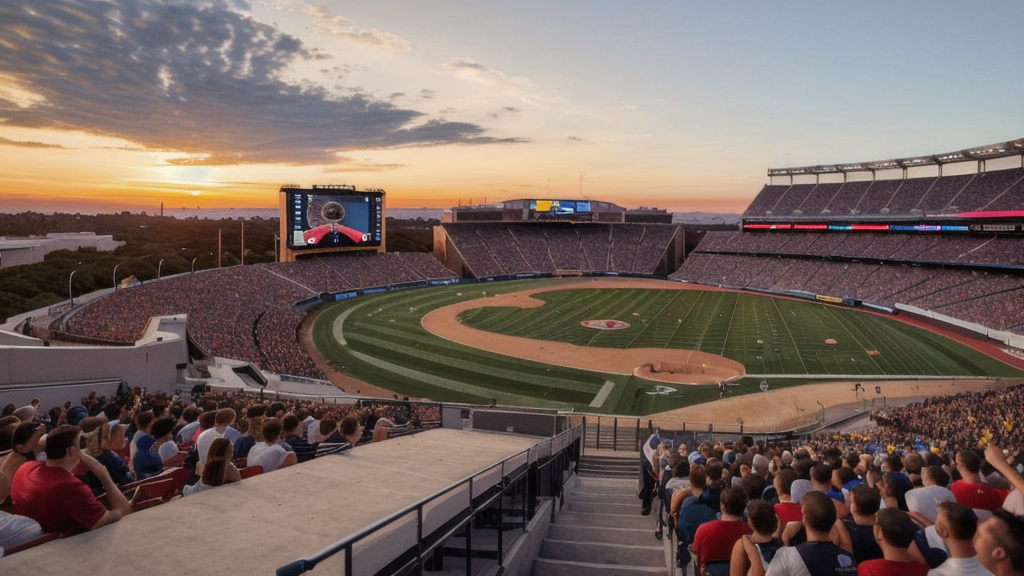
The Rise of Robotic Camera Systems Robotic camera systems use sophisticated robotics combined with AI to provide dynamic, high-quality coverage that can adapt in real-time to the action on the field. For instance, Vizrt’s Smart Rig technology allows operators to control robotic cameras using intuitive software interfaces, ensuring smooth and seamless transitions between shots. "The integration of robotic cameras into our live production workflows has been nothing short of revolutionary," said Sarah Chen, Director of Production at MegaSportsTV. "These systems provide us with the flexibility to capture every moment in stunning detail without compromising on crew efficiency."
Enhancing Viewer Experience One of the most significant advantages of robotic camera systems is their ability to capture angles and perspectives that traditional cameras cannot achieve manually. Axis Communications’ Q7025-E PTZ Dome Network Camera, for example, offers 4K resolution and a wide zoom range, making it ideal for stadiums with large viewing areas. "The precision and speed of our robotic camera systems have elevated our viewer experience to new heights," noted John Lee, Chief Technology Officer at Axis Communications. "We are seeing increased engagement and satisfaction from fans who can now enjoy unparalleled close-ups and unique views during live events."
Cost Efficiency and Scalability In addition to enhancing the quality of broadcasts, robotic camera systems also offer significant cost savings by reducing the need for large production crews. With automated setups, stadiums can produce high-quality content with fewer personnel, leading to substantial reductions in operational costs. According to a recent study by SportsMediaIntel Research, stadiums equipped with advanced robotic camera systems have reported an average 30% decrease in production expenses over the past year. This trend is expected to continue as more facilities invest in these cutting-edge technologies.
Future Prospects The future of stadium live production looks promising, with ongoing advancements in AI and robotics set to further enhance capabilities. Companies like Vizrt and Axis Communications are continuously developing new features and functionalities that will push the boundaries of what is possible in sports broadcasting. As technology continues to evolve, it is clear that robotic camera systems will play a pivotal role in shaping the future of live production in stadiums worldwide. Whether it’s providing crystal-clear coverage during high-stakes games or capturing unforgettable moments from every angle, these innovative solutions are revolutionizing the industry and setting new standards for excellence.

Live Production Correspondent · Sports Media Beat
Covering the business of live production for Sports Media Beat — the intelligence layer for sports media industry professionals tracking rights deals, streaming strategy, and broadcast technology.
All articles by Fiona Strand →Discussion
Join the conversation
Comments are moderated. Please keep discussion respectful and on-topic. Flag inappropriate content using the flag icon.
You May Also Like

Broadband Infrastructure: A New Frontier for Live Sports Broadcasting
As the demand for high-quality live sports broadcasting continues to grow, the importance of reliable broadband infrastructure cannot be overstated. In this art
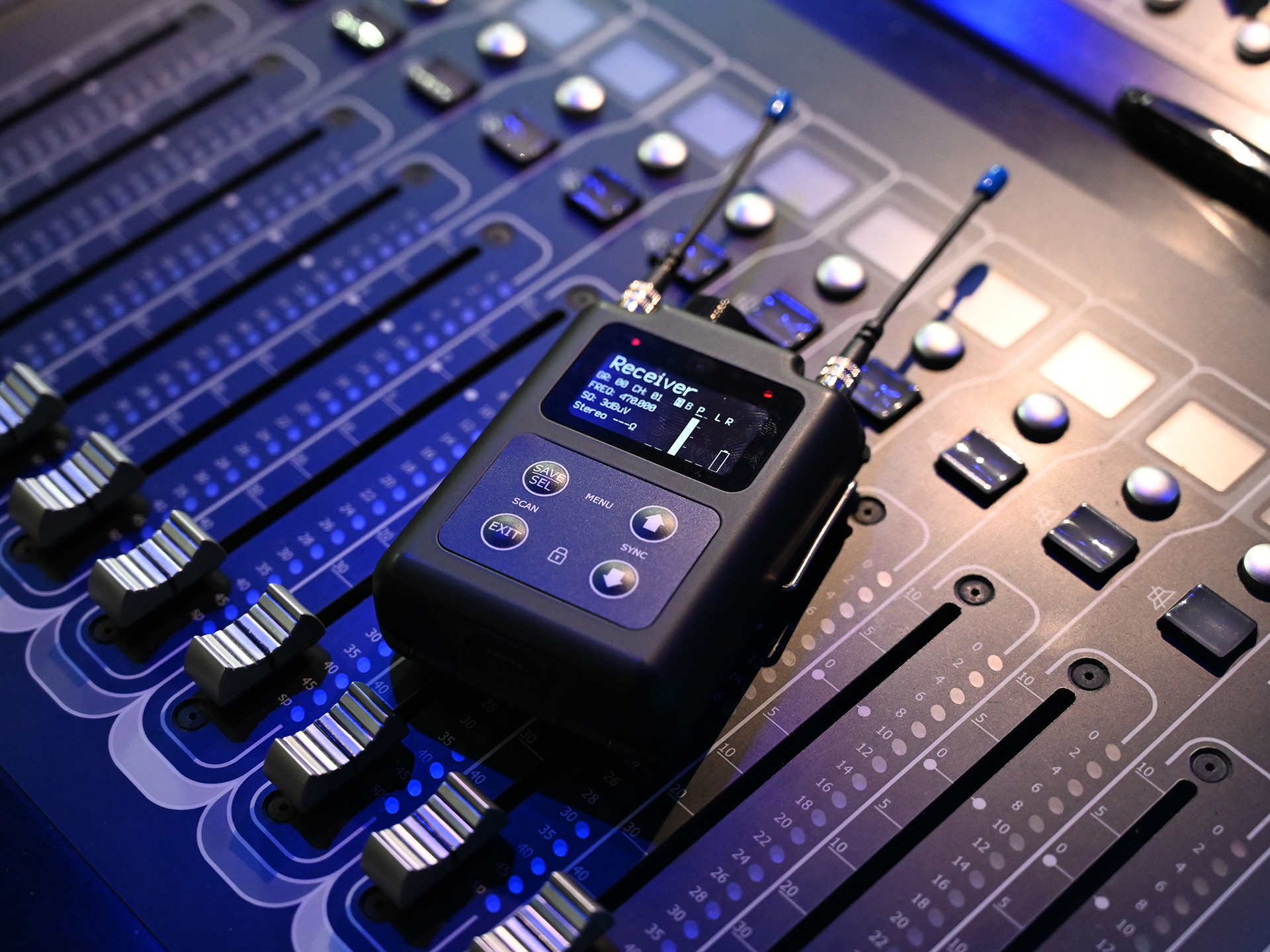
Wisycom MPR60, MATF, and PFL RFoF Box Target Stadium-Scale Wireless for World Cup and OB Fleets
Wisycom's updated MPR60 IFB receiver, MATF wideband antenna matrix, and PFL portable RF-over-fiber box give sports RF crews denser multichannel IFB, consol

Revolutionizing Live Sports: How Advanced Real-Time Graphics Engines Are Shaping the Future of Overlays
Discover how Vizrt's Viz Engine 4 and SportzCast's AI Graphics Studio are revolutionizing live sports with real-time graphics, enhancing viewer engagement and visual storytelling.

