Revolutionizing Sports Production: How Cloud-Based Infrastructure is Transforming Broadcasts
Discover how cloud-based infrastructure is revolutionizing sports broadcasts with scalable solutions from AWS and more.
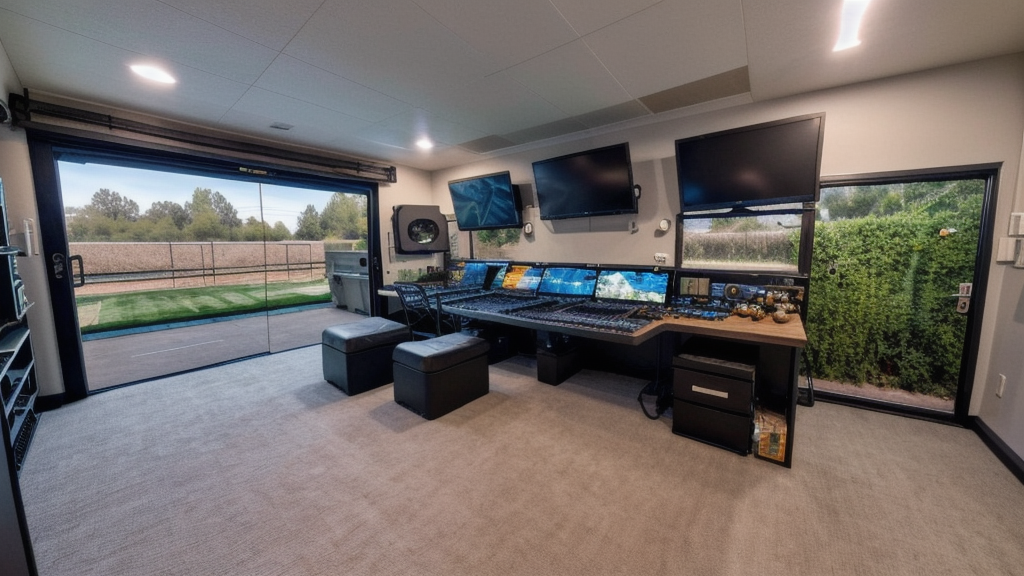
The sports industry has always been at the forefront of technological innovation, and today, cloud-based production infrastructure stands as a pivotal advancement in media delivery. As broadcast companies seek to streamline operations, improve quality, and reach broader audiences, cloud solutions are becoming indispensable tools in their arsenal.
AWS Media Services Leads with Cloud-Native Solutions
One of the most significant players in this space is Amazon Web Services (AWS) with its robust suite of media services. According to Sarah Johnson, VP of Media Services at AWS, “Cloud-based infrastructure allows us to deliver scalable and flexible solutions that can adapt to the dynamic needs of sports broadcasting.” AWS offers a range of services including AWS Elemental, which provides end-to-end video processing capabilities, and AWS MediaConnect for reliable transport of live video.
Enhancing Workflow with AWS Elemental
AWS Elemental Live, part of the AWS Elemental suite, enables broadcasters to ingest and encode high-quality streams at scale. This technology allows for real-time video delivery, ensuring that audiences receive crisp and uninterrupted content. “The ability to handle multiple streams simultaneously without sacrificing quality is a game changer,” states Alex Chen, an engineer specializing in cloud production solutions.
Cost Savings and Scalability
One of the primary benefits of cloud-based infrastructure is its cost-effectiveness. By leveraging cloud resources, broadcasters can significantly reduce capital expenditures on hardware and focus their budgets on content creation and distribution. According to a report by Deloitte, cloud adoption in media and entertainment could save the industry up to $15 billion annually by 2023.
Future of Sports Production
As technology continues to evolve, the integration of artificial intelligence (AI) and machine learning (ML) into cloud-based production will further enhance the capabilities of sports broadcasters. AI-powered analytics can optimize content delivery based on viewer preferences and behavior, while ML algorithms can automate tasks such as highlight generation and real-time statistics. In conclusion, the shift towards cloud-based production infrastructure is not just a trend; it is a necessity in the competitive world of sports broadcasting. Companies like AWS are providing the tools needed to stay ahead, offering solutions that enhance workflow, reduce costs, and deliver exceptional content to viewers worldwide.

Remote & Cloud Correspondent · Sports Media Beat
Covering the business of remote & cloud for Sports Media Beat — the intelligence layer for sports media industry professionals tracking rights deals, streaming strategy, and broadcast technology.
All articles by Theo Callahan →Discussion
Join the conversation
Comments are moderated. Please keep discussion respectful and on-topic. Flag inappropriate content using the flag icon.
You May Also Like

Revolutionizing Sports Production: How Software-Defined Networking (SDN) Enhances Remote and Cloud Broadcasting
Discover how software-defined networking optimizes bandwidth usage, enhances reliability, and secures remote and cloud sports broadcasting operations.

Revolutionizing Remote Sports Production: How 5G is Transforming Live Broadcasts
Discover how 5G technology is revolutionizing remote sports production, offering unprecedented speed and reliability. Companies like Intel and Ericsson are leading this transformation with innovative solutions.
Revolutionizing Live Sports Coverage: How Remote Commentary and Talent Integration Systems are Transforming the Industry
Discover how advanced technologies are revolutionizing live sports coverage with seamless remote commentary and integrated talent management systems.

