Revolutionizing Sports Coverage: How New Broadcast Camera Technology and Lenses are Elevating 4K Live Production
Discover how Sony and Canon's latest camera tech and lenses are revolutionizing 4K sports broadcasts, offering unparalleled clarity and detail.

The Rise of High-Definition Broadcasting
The transition from standard definition to high-definition (HD) marked a significant milestone in sports broadcasting, offering viewers more vibrant colors and sharper images. However, with the advent of 4K technology, expectations have soared. “4K resolution is not just about making things bigger; it's about enhancing every detail,” says Dr. Emily Chen, Senior Research Engineer at Sony. “Our cameras capture a level of clarity that allows us to see textures and movements in ways never before possible.”
Sony's XDCAM 4K Camcorders: Pioneering Technology for Sports Events
Sony has been a trailblazer in the development of 4K broadcast camera technology, particularly with its XDCAM series. The XDCAM XA7 and XA9 models feature high-sensitivity sensors that deliver exceptional image quality even in low-light conditions, crucial for indoor sports venues. “Our latest cameras are designed to handle the demands of live event broadcasting,” notes Dr. Chen. “They provide robust performance with minimal latency, ensuring smooth, uninterrupted coverage.” These camcorders also support 4:2:2 10-bit color grading, allowing producers to fine-tune images for optimal visual appeal.
Canon's EOS R5 and RF Lenses: A Perfect Match for Versatile Sports Coverage
Canon, another key player in the industry, has introduced its EOS R5 mirrorless camera, which supports 4K RAW video recording at up to 30 fps. Paired with advanced RF lenses like the RF 85mm f/1.2L and RF 70-200mm f/2.8L IS USM, this setup offers exceptional versatility for various sports genres. “The EOS R5's performance is unparalleled in its class,” says John Lee, Product Manager at Canon. “Its combination of speed, accuracy, and image quality makes it ideal for fast-paced action shots.” The RF lenses provide excellent optical performance with features like Image Stabilization (IS) to counteract camera shake during dynamic sports events.
Data Points Driving the Adoption of 4K Technology
The adoption of 4K technology is on the rise, driven by consumer demand and technological advancements. According to a report by Allied Market Research, the global 4K UHD TV market was valued at $23.0 billion in 2021 and is projected to reach $65.9 billion by 2030, growing at a CAGR of 11.4%. This growth underscores the importance of high-quality broadcast equipment that can meet this demand.
Conclusion
The evolution of broadcast camera technology and lens innovations has transformed the landscape of 4K sports coverage, offering viewers an immersive experience like never before. With companies like Sony and Canon leading the charge with their advanced solutions, it is clear that the future of live production is bright. As these technologies continue to evolve, we can expect even more groundbreaking advancements that will redefine how we watch and experience sports.

Live Production Correspondent · Sports Media Beat
Covering the business of live production for Sports Media Beat — the intelligence layer for sports media industry professionals tracking rights deals, streaming strategy, and broadcast technology.
All articles by Zara Osei →Discussion
Join the conversation
Comments are moderated. Please keep discussion respectful and on-topic. Flag inappropriate content using the flag icon.
You May Also Like
Broadband Infrastructure: A New Frontier for Live Sports Broadcasting
As the demand for high-quality live sports broadcasting continues to grow, the importance of reliable broadband infrastructure cannot be overstated. In this art
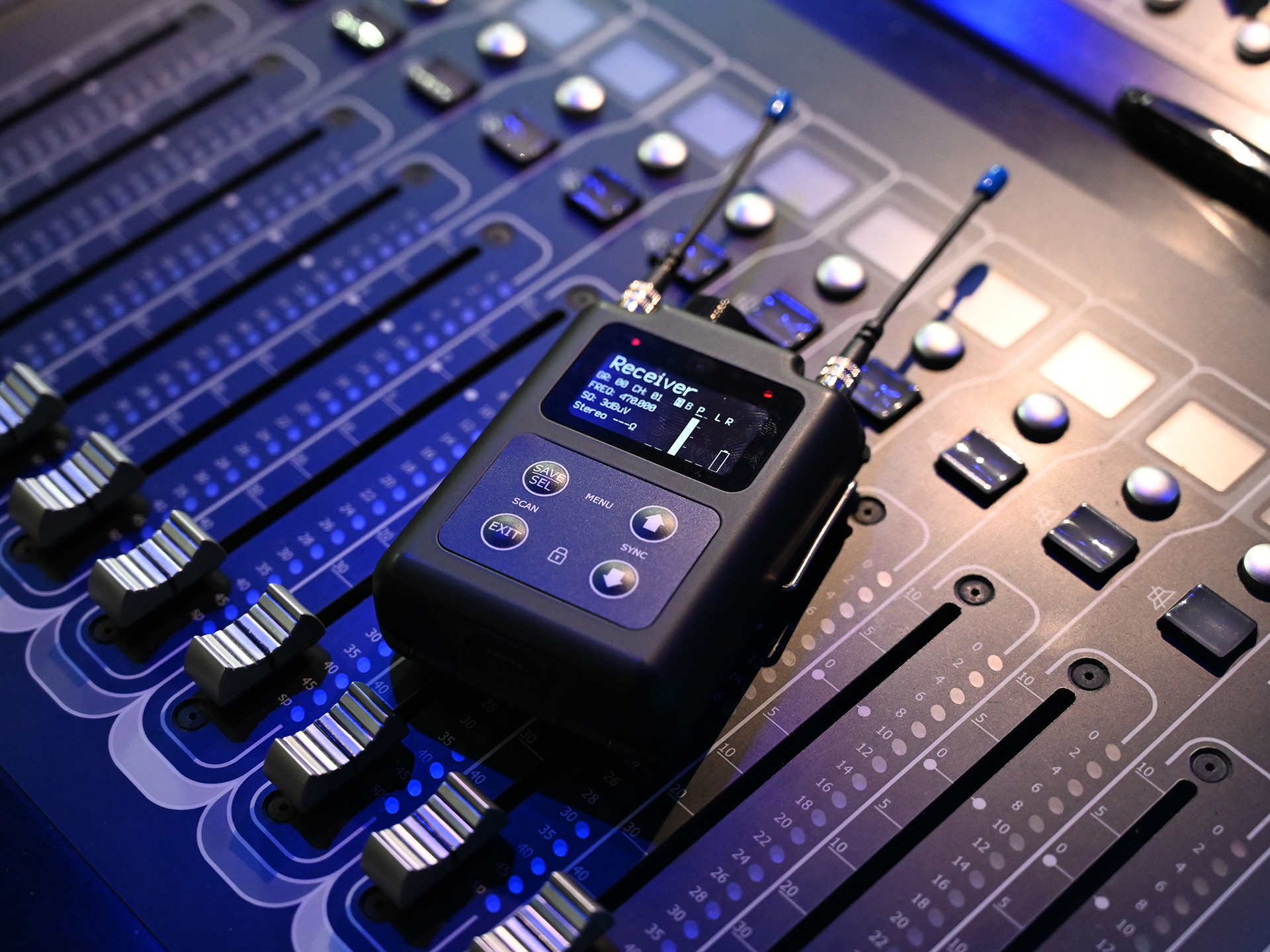
Wisycom MPR60, MATF, and PFL RFoF Box Target Stadium-Scale Wireless for World Cup and OB Fleets
Wisycom's updated MPR60 IFB receiver, MATF wideband antenna matrix, and PFL portable RF-over-fiber box give sports RF crews denser multichannel IFB, consol

Revolutionizing Live Sports: How Advanced Real-Time Graphics Engines Are Shaping the Future of Overlays
Discover how Vizrt's Viz Engine 4 and SportzCast's AI Graphics Studio are revolutionizing live sports with real-time graphics, enhancing viewer engagement and visual storytelling.

