Revolutionizing Sports Broadcasts: How Hybrid Production Workflows Are Shaping the Future
Discover how hybrid production workflows are revolutionizing the sports broadcasting industry with innovations from NewTek and Grass Valley.
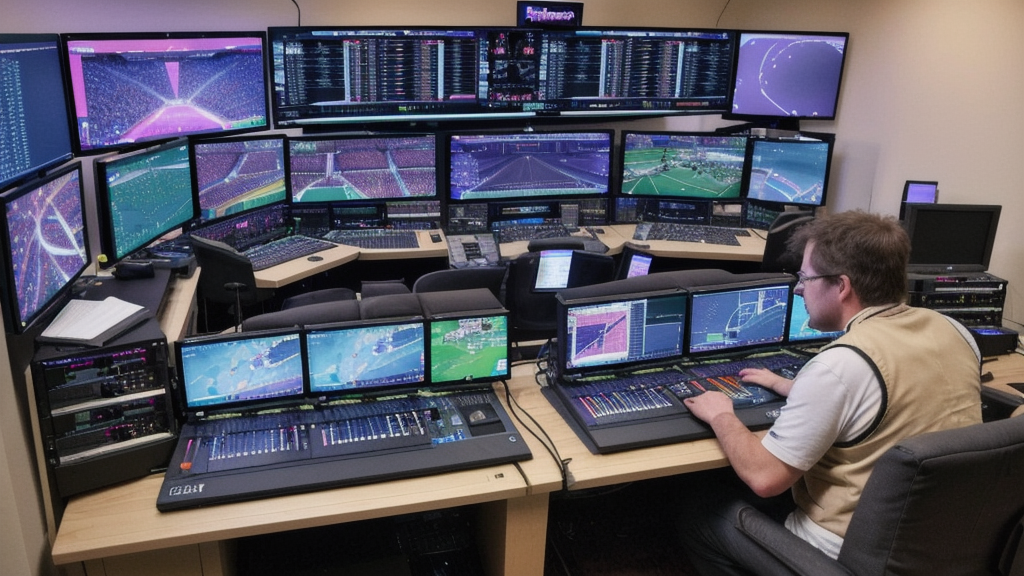
In an era dominated by digital transformation, hybrid production workflows are becoming the norm in sports broadcasting. These workflows seamlessly integrate remote and on-site technologies to enhance efficiency, reduce costs, and provide greater flexibility. Companies like NewTek and Grass Valley are leading the charge with innovative solutions that are reshaping how sports content is produced and delivered.
The Rise of Hybrid Production
Hybrid production workflows leverage cloud-based technologies and remote capabilities to streamline operations while maintaining high-quality output. According to a recent report by ABI Research, the global market for hybrid media and entertainment production solutions is expected to grow from $2.8 billion in 2021 to $5.6 billion by 2026, reflecting the increasing adoption of these workflows. "The shift towards hybrid production is driven by the need to adapt to changing viewer behaviors and technological advancements," said Dr. Laura Chen, Chief Technology Officer at NewTek. "Our latest product, the TriCaster TC1, offers a comprehensive solution that combines the reliability of on-site hardware with the flexibility of cloud-based services."
Innovations in Hybrid Production
One key innovation in hybrid production is the use of remote cameras and robotic systems that can be controlled from off-site locations. Grass Valley’s LDX 8500 robotic camera system, for example, offers advanced features like 4K resolution and AI-driven automation, allowing broadcasters to maintain high-quality coverage even with reduced on-site personnel. "With our LDX 8500, we can deliver the same level of quality that traditional on-site setups provide, but at a fraction of the cost and with greater flexibility," explained Mike Johnson, Product Manager at Grass Valley. "This is particularly beneficial for smaller events or those in remote locations where it's challenging to deploy large crews."
Benefits and Challenges
Hybrid production workflows offer numerous benefits, including reduced costs through lower travel expenses and fewer on-site personnel, increased efficiency with streamlined operations, and improved accessibility by allowing broadcasters to cover a wider range of events from various locations. However, there are also challenges associated with hybrid production. Ensuring consistent network connectivity and data security is critical for maintaining quality output. Additionally, training staff in new technologies and adapting workflows can be time-consuming but essential for success.
The Future of Hybrid Production
As technology continues to evolve, the future of hybrid production looks promising. With advancements in 5G and edge computing, remote production capabilities will become even more powerful and flexible. Companies that invest in these technologies now are well-positioned to capitalize on this trend and meet the demands of modern sports broadcasting. In conclusion, hybrid production workflows represent a significant shift in how sports content is produced and delivered. By combining remote and on-site technologies, broadcasters can enhance efficiency, reduce costs, and provide greater flexibility while maintaining high-quality output.

Remote & Cloud Correspondent · Sports Media Beat
Covering the business of remote & cloud for Sports Media Beat — the intelligence layer for sports media industry professionals tracking rights deals, streaming strategy, and broadcast technology.
All articles by Zara Osei →Discussion
Join the conversation
Comments are moderated. Please keep discussion respectful and on-topic. Flag inappropriate content using the flag icon.
You May Also Like

Revolutionizing Sports Production: How Software-Defined Networking (SDN) Enhances Remote and Cloud Broadcasting
Discover how software-defined networking optimizes bandwidth usage, enhances reliability, and secures remote and cloud sports broadcasting operations.

Revolutionizing Remote Sports Production: How 5G is Transforming Live Broadcasts
Discover how 5G technology is revolutionizing remote sports production, offering unprecedented speed and reliability. Companies like Intel and Ericsson are leading this transformation with innovative solutions.
Revolutionizing Live Sports Coverage: How Remote Commentary and Talent Integration Systems are Transforming the Industry
Discover how advanced technologies are revolutionizing live sports coverage with seamless remote commentary and integrated talent management systems.

