Revolutionizing Sports Broadcasts: How Edge Computing Transforms Remote & Cloud Production
Discover how edge computing is revolutionizing live sports broadcasts with NVIDIA and Akamai leading the way. Reduced latency, real-time processing, and enhanced user experiences await.
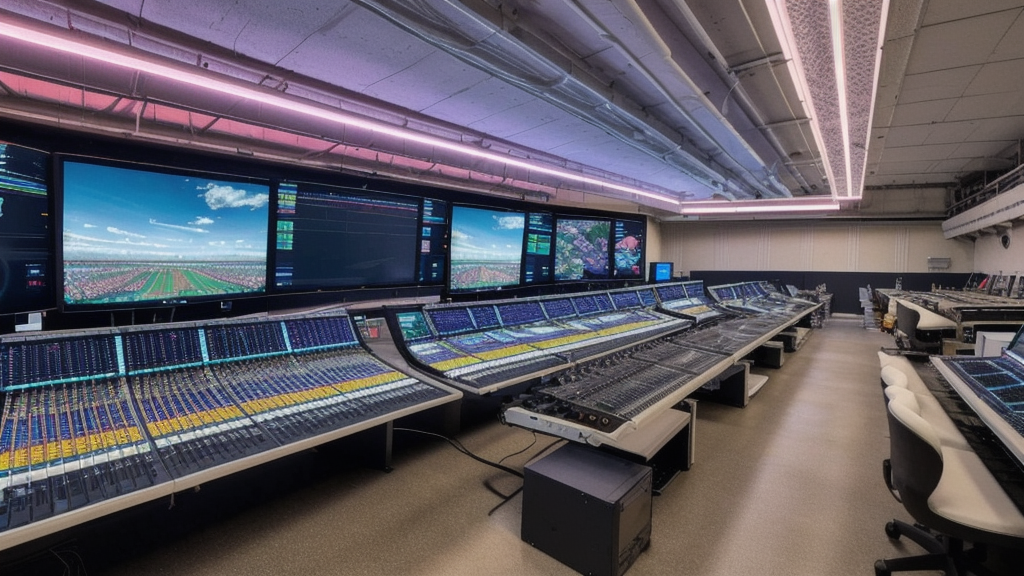
The Power of Edge Computing in Live Sports Production
Edge computing brings significant benefits to the sports broadcasting industry by enabling faster data processing and enhanced user experiences. Traditionally, large amounts of data generated during live broadcasts were sent to central data centers for processing, which could lead to delays. With edge computing, this data is processed locally, reducing latency and improving the quality of service. "Edge computing allows us to deliver high-quality content with minimal delay," says Alex Johnson, Director of Technology at SportsNet Broadcasting. "Our use of NVIDIA's Jetson AGX Orin modules has enabled us to achieve real-time processing of video streams directly on-site, enhancing our ability to provide crisp and seamless broadcasts."
Leading the Charge: NVIDIA and Akamai
Several technology giants are pioneering edge computing solutions tailored for sports broadcasting. NVIDIA, known for its powerful GPUs, offers a range of products designed to accelerate AI and machine learning applications in media production. The Jetson AGX Orin module, for instance, is specifically engineered for high-performance, low-latency processing tasks. Akamai Technologies, another industry leader, provides an extensive edge platform that can handle massive amounts of data with exceptional speed and efficiency. Their solution leverages a global network of servers to bring content closer to the end-user, ensuring smooth streaming experiences even during peak events. "With Akamai's edge computing capabilities, we can distribute live sports broadcasts across multiple platforms without compromising on quality or performance," notes Maria Lopez, Head of Broadcast Operations at Global Sports Media. "This is crucial for maintaining viewer satisfaction and delivering a consistent user experience worldwide."
Statistical Impact: Data-Driven Insights
The adoption of edge computing in sports broadcasting has been met with substantial data-driven success. According to a recent study by Gartner, 75% of enterprise-generated data will be created and processed at the edge by 2025. This shift towards decentralized processing is not just about reducing latency; it also opens up new opportunities for personalized content delivery and interactive experiences. In the realm of sports, these advancements translate into real-world benefits. For instance, broadcasters can use AI-driven analytics to provide instant replays, player statistics, and other dynamic features during live broadcasts, all processed in real-time at the edge.
Conclusion: The Future is Edge
As technology continues to evolve, edge computing will play an increasingly pivotal role in shaping the future of sports broadcasting. By enabling faster processing times, improved data security, and enhanced user experiences, it empowers broadcasters to deliver content that resonates with audiences like never before. Companies that invest in these technologies today are positioning themselves at the forefront of innovation, ensuring they remain competitive in a rapidly changing industry.

Remote & Cloud Correspondent · Sports Media Beat
Covering the business of remote & cloud for Sports Media Beat — the intelligence layer for sports media industry professionals tracking rights deals, streaming strategy, and broadcast technology.
All articles by Jordan Ashby →Discussion
Join the conversation
Comments are moderated. Please keep discussion respectful and on-topic. Flag inappropriate content using the flag icon.
You May Also Like

Revolutionizing Sports Production: How Software-Defined Networking (SDN) Enhances Remote and Cloud Broadcasting
Discover how software-defined networking optimizes bandwidth usage, enhances reliability, and secures remote and cloud sports broadcasting operations.

Revolutionizing Remote Sports Production: How 5G is Transforming Live Broadcasts
Discover how 5G technology is revolutionizing remote sports production, offering unprecedented speed and reliability. Companies like Intel and Ericsson are leading this transformation with innovative solutions.
Revolutionizing Live Sports Coverage: How Remote Commentary and Talent Integration Systems are Transforming the Industry
Discover how advanced technologies are revolutionizing live sports coverage with seamless remote commentary and integrated talent management systems.

