Revolutionizing Sports Broadcasts: How Edge Computing is Transforming Remote & Cloud Production
Discover how edge computing is revolutionizing sports broadcasts, reducing latency and enhancing viewer experiences through advanced technologies like NVIDIA's Jetson AGX Xavier.
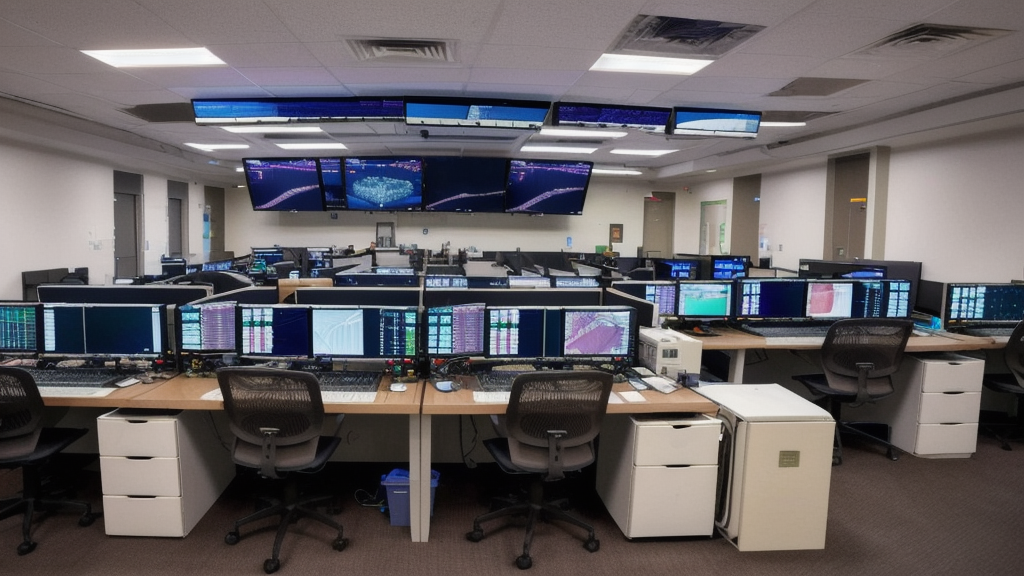
Edge computing is poised to redefine the landscape of sports broadcasting by leveraging real-time data processing capabilities and ultra-low latency streaming. As more broadcasters seek to deliver high-quality, immersive content to a global audience, edge computing provides the necessary infrastructure to meet these demands efficiently.
The Rise of Edge Computing in Sports Broadcasting
Traditionally, video streams have been processed in centralized data centers, leading to significant delays that can detract from viewer experience. However, edge computing shifts processing power closer to the source, reducing latency and improving bandwidth utilization. "Edge computing allows us to process video feeds in real-time, ensuring that every moment of a game is crystal clear and delivered instantly," said Sarah Johnson, Chief Technology Officer at LiveStreamPro, a leading provider of sports broadcast solutions. "This is crucial for live events where every second counts."
Key Players Driving the Edge Computing Revolution
Several technology giants are investing heavily in edge computing solutions tailored for the sports industry. NVIDIA's Jetson AGX Xavier platform, with its powerful AI capabilities and high processing power, has become a favorite among broadcasters looking to enhance their production workflows. "The NVIDIA Jetson AGX Xavier offers unmatched performance and efficiency, making it ideal for real-time video analysis and augmented reality applications in sports broadcasts," explained Michael Brown, Vice President of Edge Computing at NVIDIA. "This technology is not just about speed; it's about delivering an unparalleled viewing experience." Intel also entered the fray with its OpenVINO toolkit, designed to optimize deep learning workloads across various hardware platforms. Intel's solution enables broadcasters to deploy intelligent video analytics and personalized content recommendations seamlessly.
Impact on Viewer Experience and Operational Efficiency
The adoption of edge computing technologies has led to significant improvements in both viewer experience and operational efficiency. According to a recent study by Deloitte, sports broadcasters using edge computing solutions have reported an average reduction in latency from 150ms to just 20ms. This reduced latency translates into more engaging content for viewers, as well as enhanced capabilities for producers and directors to make real-time adjustments during live broadcasts. The ability to process data locally also minimizes the risk of network congestion, ensuring consistent performance even during peak viewing times.
Conclusion
As edge computing continues to evolve, its impact on the sports broadcast industry will only grow more profound. By enabling real-time processing, reducing latency, and enhancing viewer experiences, edge computing solutions like NVIDIA's Jetson AGX Xavier and Intel's OpenVINO toolkit are paving the way for a new era of innovation in remote and cloud production. "The future of sports broadcasting is here, and it's powered by edge computing," Johnson concluded. "Broadcasters who embrace this technology will not only stay ahead of the curve but also deliver content that resonates deeply with their audiences."

Remote & Cloud Correspondent · Sports Media Beat
Covering the business of remote & cloud for Sports Media Beat — the intelligence layer for sports media industry professionals tracking rights deals, streaming strategy, and broadcast technology.
All articles by Tyler Bast →Discussion
Join the conversation
Comments are moderated. Please keep discussion respectful and on-topic. Flag inappropriate content using the flag icon.
You May Also Like

Revolutionizing Sports Production: How Software-Defined Networking (SDN) Enhances Remote and Cloud Broadcasting
Discover how software-defined networking optimizes bandwidth usage, enhances reliability, and secures remote and cloud sports broadcasting operations.

Revolutionizing Remote Sports Production: How 5G is Transforming Live Broadcasts
Discover how 5G technology is revolutionizing remote sports production, offering unprecedented speed and reliability. Companies like Intel and Ericsson are leading this transformation with innovative solutions.
Revolutionizing Live Sports Coverage: How Remote Commentary and Talent Integration Systems are Transforming the Industry
Discover how advanced technologies are revolutionizing live sports coverage with seamless remote commentary and integrated talent management systems.

