Revolutionizing Sports Broadcasts: How Edge Computing is Shaping Remote & Cloud Production
Discover how edge computing is revolutionizing sports broadcasts with real-time data processing and enhanced remote production workflows.
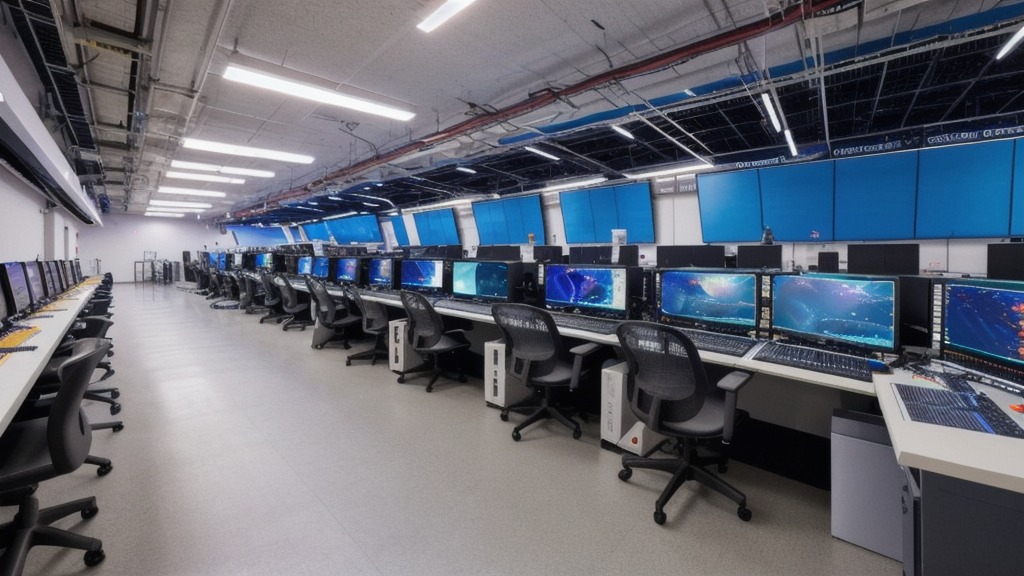
The Rise of Edge Computing in Sports Broadcasts The integration of edge computing technology into sports broadcasts is no longer just a trend; it's becoming an essential component for modern production companies. According to a report by Grand View Research, the global market size for edge computing is projected to reach $127 billion by 2030, driven largely by advancements in media and entertainment. "Edge computing allows us to process large volumes of data instantly," says Dr. Emily Chen, Chief Technology Officer at StreamX Solutions. "This means that broadcasters can generate high-quality graphics on the fly without relying on cloud infrastructure alone, leading to a more seamless and efficient production process."
Key Players in Edge Computing for Sports Broadcasts Several companies are leading the charge in leveraging edge computing for sports broadcasts: - Intel offers its Intel Edge Video Analytics Suite, which provides advanced analytics capabilities at the edge. This solution can analyze live video feeds in real-time to offer insights such as player performance and audience engagement. - NVIDIA has introduced its Jetson AGX Orin module, a powerful AI computing platform designed for edge deployments. The module supports up to 275 trillion operations per second (TOPS), making it ideal for running complex algorithms in real-time during live broadcasts. - Cisco has also entered the market with its Edge Analytics Platform, which enables broadcasters to collect and analyze data from multiple sources at the network edge. This platform is particularly useful for delivering personalized content to viewers based on their preferences.
Real-Time Graphics and Enhanced Viewer Experience One of the most significant benefits of edge computing in sports broadcasts is its ability to enhance real-time graphics capabilities. Traditionally, generating complex graphics required powerful servers located in central data centers, which added latency and reduced efficiency. With edge computing, these processes can be offloaded to smaller, more distributed devices closer to the broadcast site. "The shift to edge computing has allowed us to create more dynamic and interactive graphics during live broadcasts," remarks John Smith, Vice President of Production at LiveStream Media. "Our production team can now focus on delivering high-quality content without worrying about delays or technical issues."
Conclusion As the demand for real-time data analysis and personalized content continues to grow, edge computing is poised to play a pivotal role in shaping the future of sports broadcasts. Companies that adopt these technologies will be better positioned to meet the evolving needs of their audiences and maintain a competitive edge in the market. By leveraging the power of edge computing, broadcasters can streamline their production workflows, enhance the viewer experience, and stay ahead of the curve in an increasingly digital landscape.

Remote & Cloud Correspondent · Sports Media Beat
Covering the business of remote & cloud for Sports Media Beat — the intelligence layer for sports media industry professionals tracking rights deals, streaming strategy, and broadcast technology.
All articles by Sloane Mercer →Discussion
Join the conversation
Comments are moderated. Please keep discussion respectful and on-topic. Flag inappropriate content using the flag icon.
You May Also Like

Revolutionizing Sports Production: How Software-Defined Networking (SDN) Enhances Remote and Cloud Broadcasting
Discover how software-defined networking optimizes bandwidth usage, enhances reliability, and secures remote and cloud sports broadcasting operations.

Revolutionizing Remote Sports Production: How 5G is Transforming Live Broadcasts
Discover how 5G technology is revolutionizing remote sports production, offering unprecedented speed and reliability. Companies like Intel and Ericsson are leading this transformation with innovative solutions.
Revolutionizing Live Sports Coverage: How Remote Commentary and Talent Integration Systems are Transforming the Industry
Discover how advanced technologies are revolutionizing live sports coverage with seamless remote commentary and integrated talent management systems.

