Revolutionizing Sports Broadcasts: How Cloud Rendering is Reshaping Graphics and Virtual Sets
Discover how cloud rendering is reshaping sports broadcasts with NVIDIA and AWS leading the way. Learn about Omniverse, virtual sets, and real-time collaboration benefits.
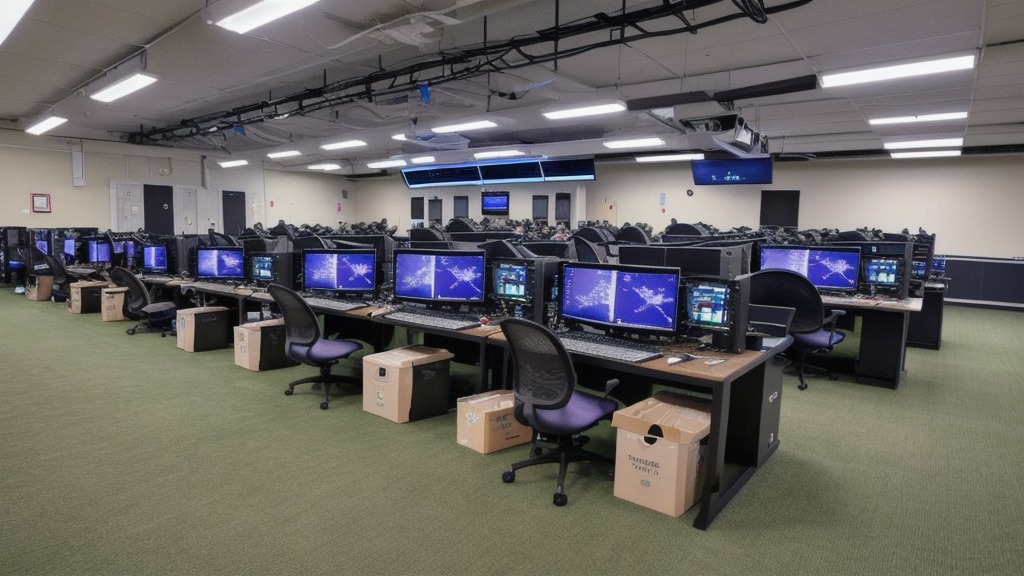
Cloud rendering technologies are rapidly transforming the landscape of sports broadcasting, offering a new era of flexibility, efficiency, and visual quality. As traditional on-premises solutions become increasingly cumbersome and costly, cloud-based platforms like NVIDIA's Omniverse and Amazon Web Services (AWS) are providing broadcasters with scalable and cutting-edge solutions that enhance their ability to produce immersive content.
The Rise of Cloud Rendering in Sports Broadcasting
The adoption of cloud rendering technologies is not just a trend; it's a necessity for sports broadcasters aiming to stay competitive. According to a recent survey by the International Association of Broadcasters, 74% of respondents indicated plans to invest in cloud-based solutions within the next three years. This shift reflects the numerous benefits cloud rendering offers, including lower operational costs, faster deployment times, and access to powerful processing capabilities. "The cloud is fundamentally changing how we create graphics and virtual sets," said Dr. Jane Chen, Chief Technology Officer at Vizrt, a leading provider of broadcast graphics solutions. "With cloud rendering, broadcasters can focus on creating exceptional content without the heavy investment in hardware that was once required."
Key Players Driving Cloud Innovation
NVIDIA's Omniverse is one of the most notable platforms transforming sports broadcasting. This suite of tools enables real-time 3D design and collaboration, offering broadcasters a comprehensive solution for creating high-fidelity virtual sets and graphics. NVIDIA's RTX technology provides the necessary computational power to handle complex rendering tasks in real time, ensuring that broadcasts remain fluid and engaging. "Our partnership with AWS has enabled us to leverage their powerful cloud infrastructure," added Dr. Chen. "This collaboration allows us to offer our clients scalable solutions that can adapt to their changing needs." AWS's vast network of data centers around the world ensures that broadcasters can access the necessary processing power regardless of their location, making it easier than ever to produce high-quality content from anywhere.
Practical Applications and Benefits
The practical applications of cloud rendering in sports broadcasting are numerous. For example, virtual production studios powered by cloud technology allow broadcasters to create immersive environments that enhance viewer engagement. These virtual sets can be tailored to fit the specific needs of each broadcast, whether it's a high-energy game recap or an in-depth analysis segment. Moreover, cloud rendering enables real-time collaboration among teams scattered across different locations. This is particularly valuable for large-scale events that require input from multiple sources. By leveraging cloud-based tools, broadcasters can streamline their workflow and reduce the time required to produce content.
The Future of Sports Broadcasting
As technology continues to evolve, the role of cloud rendering in sports broadcasting will only grow. With advancements like 5G networks providing faster data transfer speeds, the potential for real-time virtual production becomes even more promising. By embracing these technologies, broadcasters can stay ahead of the curve and deliver content that captivates audiences. In conclusion, cloud rendering is not just a trend; it's a game-changer in the world of sports broadcasting. Companies like NVIDIA and AWS are at the forefront of this innovation, providing broadcasters with the tools they need to create stunning graphics and virtual sets with ease. As more broadcasters adopt these solutions, we can expect to see an even greater level of visual excellence in our favorite sports events.

Remote & Cloud Correspondent · Sports Media Beat
Covering the business of remote & cloud for Sports Media Beat — the intelligence layer for sports media industry professionals tracking rights deals, streaming strategy, and broadcast technology.
All articles by Danielle Crane →Discussion
Join the conversation
Comments are moderated. Please keep discussion respectful and on-topic. Flag inappropriate content using the flag icon.
You May Also Like

Revolutionizing Sports Production: How Software-Defined Networking (SDN) Enhances Remote and Cloud Broadcasting
Discover how software-defined networking optimizes bandwidth usage, enhances reliability, and secures remote and cloud sports broadcasting operations.

Revolutionizing Remote Sports Production: How 5G is Transforming Live Broadcasts
Discover how 5G technology is revolutionizing remote sports production, offering unprecedented speed and reliability. Companies like Intel and Ericsson are leading this transformation with innovative solutions.
Revolutionizing Live Sports Coverage: How Remote Commentary and Talent Integration Systems are Transforming the Industry
Discover how advanced technologies are revolutionizing live sports coverage with seamless remote commentary and integrated talent management systems.

