Revolutionizing Live Sports Streaming: How Low-Latency Technology is Transforming the Industry
Discover how Akamai and Bitmovin are revolutionizing live sports streaming with low-latency technology, reducing delays to milliseconds and enhancing viewer engagement.
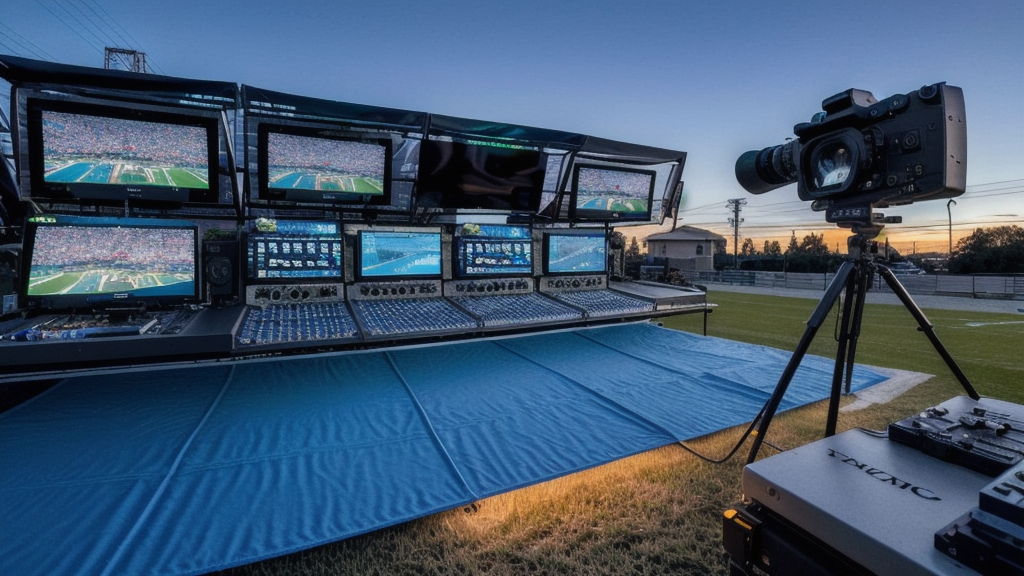
The sports broadcast industry has long been a technological battleground, where advancements in streaming technology can make or break viewer satisfaction. One of the most transformative technologies emerging from this landscape is low-latency streaming, which promises to redefine how fans consume live events. By reducing latency from several seconds to just milliseconds, this innovation ensures that viewers feel more connected and engaged with the action.
The Impact of Low-Latency Streaming
Low-latency streaming is not just about faster load times; it's about enhancing the entire experience for the viewer. For instance, in fast-paced sports like basketball or soccer, every millisecond counts. A delay of even a few seconds can significantly disrupt the viewing experience, making it feel less real and more distant. By minimizing this delay, low-latency streaming allows fans to witness every moment as it unfolds. "Latency is the enemy of live streaming," says Sarah Johnson, Chief Technology Officer at Akamai Technologies. "With our latest technology, we've managed to reduce latency to under 300 milliseconds, providing a near real-time experience that rivals traditional broadcast methods." This reduction in latency not only enhances viewer satisfaction but also opens up new possibilities for interactive content and fan engagement.
Leading the Charge with Akamai's Low-Latency Solutions
Akamai Technologies, a global leader in edge computing and content delivery networks (CDNs), has been at the forefront of developing low-latency streaming solutions. Their recent advancements, particularly the integration of HTTP Live Streaming (HLS) with adaptive bitrate technology, have led to significant improvements in stream quality and speed. One of Akamai's key innovations is their Dynamic Packet Coalescing (DPC) feature, which optimizes the delivery of video packets by bundling them together more efficiently. This results in fewer packets being lost and a smoother viewing experience. "Our DPC technology has been instrumental in reducing latency," says Johnson, highlighting how it works alongside other features to provide an unparalleled live streaming solution.
Bitmovin's Role in Advancing Low-Latency Technology
Another prominent player in the low-latency streaming space is Bitmovin, known for its robust video platform and encoding solutions. Bitmovin has developed a suite of tools specifically designed to minimize latency while maintaining high-quality video streams. One notable feature offered by Bitmovin is their Adaptive Packetization technology, which dynamically adjusts the size of video packets based on network conditions. This ensures that the stream remains smooth and uninterrupted even in fluctuating bandwidth environments. "Our focus has always been on delivering an exceptional user experience," says Dr. Jan Ozer, CTO at Bitmovin. "With our latest advancements, we're pushing the boundaries of what's possible in live streaming."
The Future of Low-Latency Streaming
As more viewers demand high-quality, real-time content, low-latency streaming will continue to be a cornerstone technology for sports broadcasters. According to recent industry reports, the global low-latency streaming market is projected to grow at a compound annual growth rate (CAGR) of 23% from 2025 to 2030. This rapid growth underscores the transformative potential of low-latency streaming in not only enhancing the live sports experience but also paving the way for new interactive and immersive content formats. As companies like Akamai and Bitmovin continue to innovate, we can expect to see even more groundbreaking advancements that will further blur the line between traditional broadcast and modern digital streaming.
In conclusion, low-latency streaming technology is reshaping the sports broadcast industry by providing fans with an unparalleled live experience. With continued investment in research and development, this technology promises to deliver a future where every moment of every game feels as immediate and exciting as being there in person.

Sports Streaming Correspondent · Sports Media Beat
Covering the business of sports streaming for Sports Media Beat — the intelligence layer for sports media industry professionals tracking rights deals, streaming strategy, and broadcast technology.
All articles by Danielle Crane →Discussion
Join the conversation
Comments are moderated. Please keep discussion respectful and on-topic. Flag inappropriate content using the flag icon.
You May Also Like

Ross Video and Harmonic Power FOX Sports' 940-Hour Continuous FIFA World Cup Digital Feed
FOX Sports Digital is running a non-stop World Cup companion channel across YouTube, its app, and Tubi for 39 tournament days, anchored by a Los Angeles studio built around Ross Video switching, Harmonic cloud playout, and HBS ancillary fee

HBO Max Leads the Charge in Sports Streaming Monetization with AI-Powered Subscription Models
Discover how HBO Max uses AI for personalized content, subscription tiers, and targeted advertising to boost revenue and user engagement in sports streaming.
Revolutionizing Sports Streaming: How Advanced Analytics Are Shaping the OTT Landscape
Discover how advanced analytics from companies like StreamMetrics and Vubiquity are transforming sports streaming by enhancing viewer experience and optimizing monetization strategies.

