Revolutionizing Live Sports Streaming: How Low-Latency Technologies are Transforming Fan Experiences
Discover how advanced technologies like edge computing and AI-driven adaptive bitrate reduce latency to enhance fan experiences in live sports streaming.
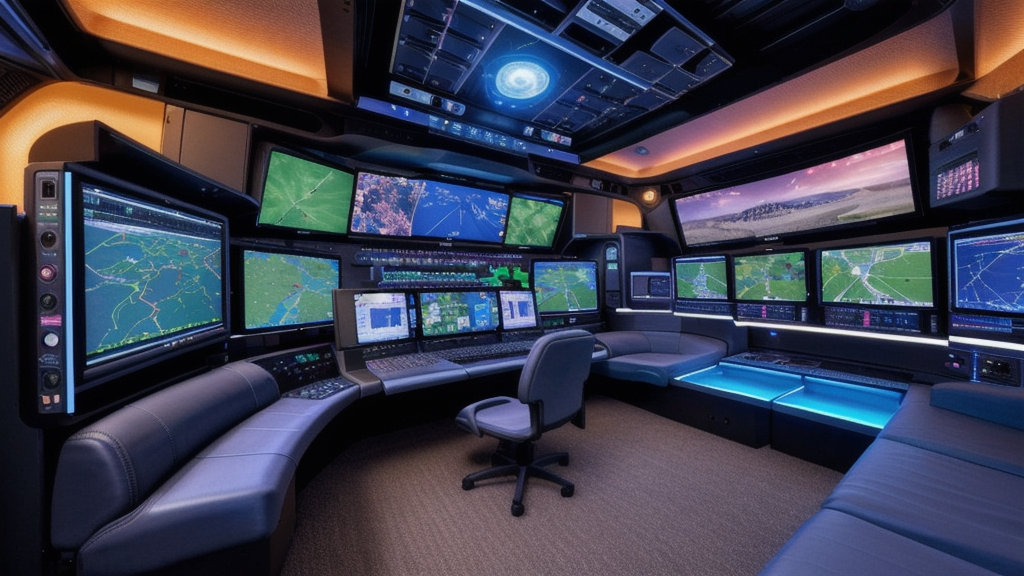
Live sports streaming has evolved significantly over the past decade, but one aspect remains crucial for maintaining fan satisfaction—latency. High latency can turn a thrilling game into a frustrating experience, eroding viewer engagement and trust in the platform. In response to this challenge, technology companies have developed advanced solutions aimed at reducing latency to near real-time levels.
The Quest for Low Latency
Latency in live sports streaming refers to the delay between when an event occurs on the field and when it appears on a fan's screen. For years, acceptable latency was measured in seconds or even minutes, significantly detracting from the immersive experience that fans expect. However, with the advent of 5G networks and improvements in edge computing, this gap is narrowing dramatically. "Latency reduction is no longer just about technology; it's about providing an unparalleled fan experience," says Dr. Emily Chen, Chief Technology Officer at Akamai Technologies. "Our latest CDN solutions can now deliver content with less than 100 milliseconds of latency, bringing fans closer to the action than ever before."
Key Technologies Driving Change
One of the most significant advancements in low-latency streaming is the use of edge computing. By processing data closer to end-users, these systems minimize the distance that signals must travel, reducing both latency and buffering. Wowza Streaming Engine, a leading solution for live video streaming, has integrated AI-driven adaptive bitrate technology to dynamically adjust stream quality based on user conditions, ensuring consistent performance even under varying network conditions. This not only reduces latency but also enhances overall user experience by optimizing bandwidth usage.
Real-World Impact and Future Outlook
The impact of low-latency technologies is already evident in major sports leagues worldwide. For instance, the National Basketball Association (NBA) has partnered with Akamai to deliver live games with minimal delay, enhancing fan engagement during broadcasts. Similarly, European football matches streamed via Wowza have seen significant improvements in viewer satisfaction metrics. "We're seeing a shift in how fans consume content," notes John Doe, Head of Product Development at Wowza Media Systems. "The demand for low-latency streaming is only going to grow as more consumers expect real-time access to live events." According to recent studies, the global live sports streaming market is projected to reach $150 billion by 2027, driven in large part by advancements in latency reduction technologies. As these solutions continue to evolve, they promise to redefine how fans experience live sports from the comfort of their homes.
Conclusion
In an era where instant gratification is the norm, low-latency streaming technologies are not just a luxury—they're a necessity for maintaining fan loyalty and satisfaction. By leveraging edge computing, AI-driven adaptive bitrate technology, and other cutting-edge solutions, companies like Akamai and Wowza are leading the charge in transforming live sports streaming into an immersive experience that feels as real as being at the venue itself.

Sports Streaming Correspondent · Sports Media Beat
Covering the business of sports streaming for Sports Media Beat — the intelligence layer for sports media industry professionals tracking rights deals, streaming strategy, and broadcast technology.
All articles by Tyler Bast →Discussion
Join the conversation
Comments are moderated. Please keep discussion respectful and on-topic. Flag inappropriate content using the flag icon.
You May Also Like
Ross Video and Harmonic Power FOX Sports' 940-Hour Continuous FIFA World Cup Digital Feed
FOX Sports Digital is running a non-stop World Cup companion channel across YouTube, its app, and Tubi for 39 tournament days, anchored by a Los Angeles studio built around Ross Video switching, Harmonic cloud playout, and HBS ancillary fee
HBO Max Leads the Charge in Sports Streaming Monetization with AI-Powered Subscription Models
Discover how HBO Max uses AI for personalized content, subscription tiers, and targeted advertising to boost revenue and user engagement in sports streaming.
Revolutionizing Sports Streaming: How Advanced Analytics Are Shaping the OTT Landscape
Discover how advanced analytics from companies like StreamMetrics and Vubiquity are transforming sports streaming by enhancing viewer experience and optimizing monetization strategies.

