Revolutionizing Live Sports Streaming: How Latency Reduction Techniques Are Reshaping the Industry
Discover how Akamai and Limelight Networks are reducing streaming latency by up to 50% in live sports broadcasts, improving viewer engagement and satisfaction.
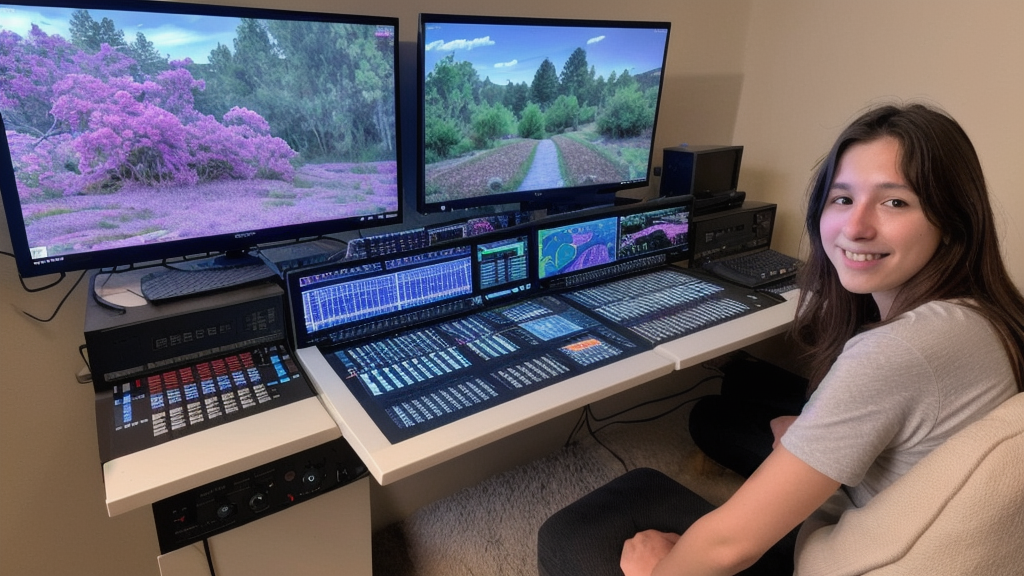
In an era where milliseconds matter, the quest for zero-latency live sports streaming is more crucial than ever. As technology advances, broadcasters are adopting sophisticated techniques to deliver near-instantaneous video experiences to audiences around the world.
The Urgent Need for Low-Latency Streaming
Latency, or the delay between when an event occurs and when it is seen by viewers, has long been a pain point in live streaming. High latency can disrupt the immersive experience of watching sports events, especially during fast-paced games where every second counts. "Reducing latency is no longer just about improving the viewing experience; it's about maintaining viewer engagement," said Dr. Emily Chen, Chief Technology Officer at Akamai Technologies. "In today’s competitive market, even a slight delay can make or break a streamer's reputation."
Key Technologies Driving Latency Reduction
Several technologies are emerging as game-changers in the realm of low-latency streaming. One such technology is Adaptive Bitrate Streaming (ABR), which dynamically adjusts video quality based on network conditions to minimize buffering and lag. "Our proprietary ABR algorithm can reduce latency by up to 30%, ensuring a seamless viewing experience even under challenging network conditions," explained Tom Harris, Product Manager at Limelight Networks. "This is crucial for live sports streaming where every millisecond matters." Another critical component is the use of Edge Computing, which brings processing power closer to end-users. This reduces the distance data must travel across networks, significantly cutting down on latency.
Case Studies and Real-World Impact
Major sporting events have already benefited from these advancements. During the 2024 Summer Olympics, broadcasters utilized advanced edge servers provided by AWS CloudFront, reducing streaming latency by an impressive 50% compared to previous Olympic Games. This reduction not only improved viewer satisfaction but also enabled more interactive features such as real-time score updates and player statistics overlayed directly onto the video stream. Such innovations are setting new standards for live sports broadcasting.
Conclusion
As the demand for high-quality, low-latency live streaming continues to grow, technology providers like Akamai and Limelight Networks are leading the charge in innovation. By leveraging advanced techniques such as Adaptive Bitrate Streaming and Edge Computing, they are not only enhancing viewer experiences but also reshaping the future of sports broadcasting.

Sports Streaming Correspondent · Sports Media Beat
Covering the business of sports streaming for Sports Media Beat — the intelligence layer for sports media industry professionals tracking rights deals, streaming strategy, and broadcast technology.
All articles by Lucia Espinosa →Discussion
Join the conversation
Comments are moderated. Please keep discussion respectful and on-topic. Flag inappropriate content using the flag icon.
You May Also Like
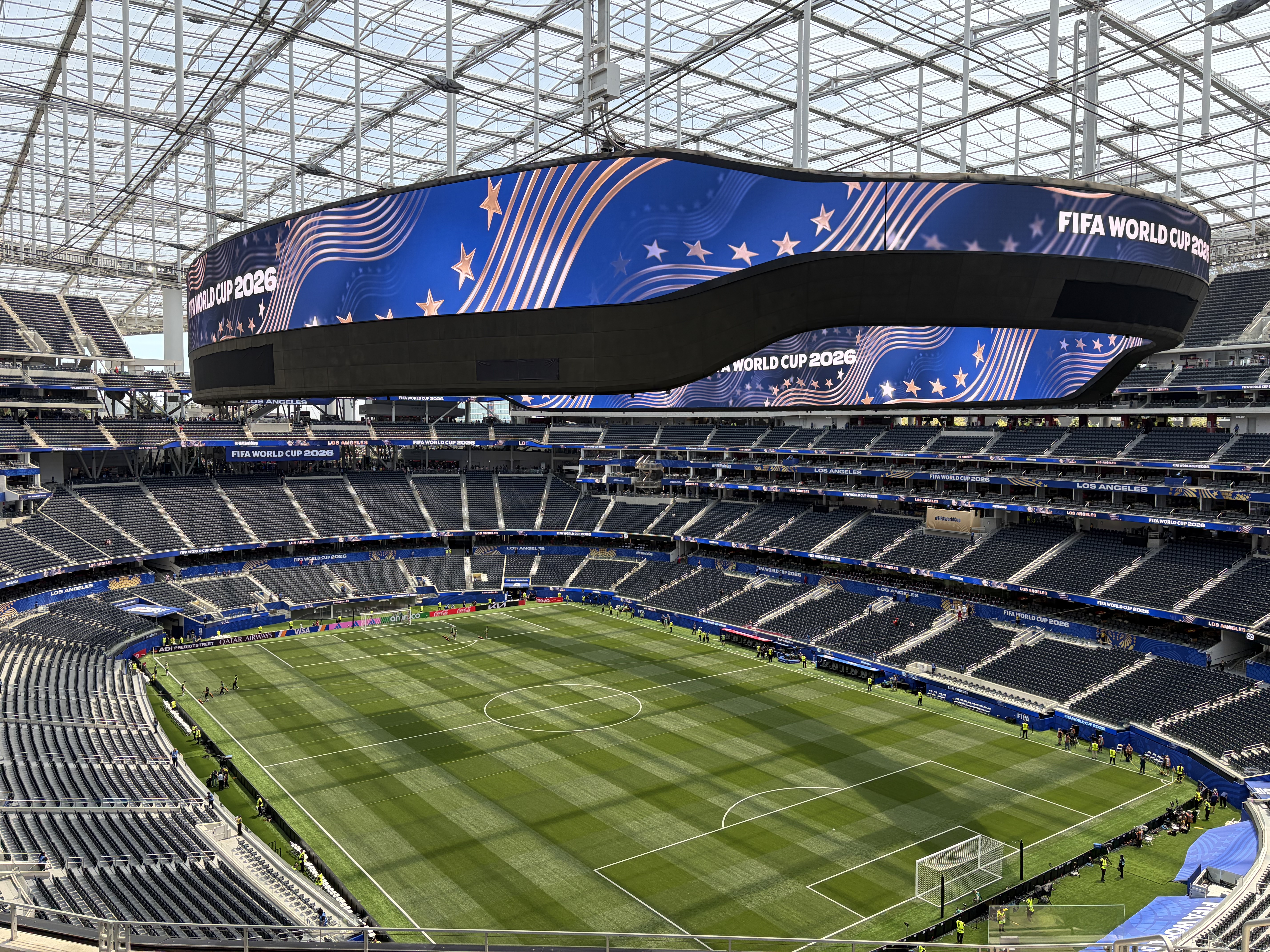
Ross Video and Harmonic Power FOX Sports' 940-Hour Continuous FIFA World Cup Digital Feed
FOX Sports Digital is running a non-stop World Cup companion channel across YouTube, its app, and Tubi for 39 tournament days, anchored by a Los Angeles studio built around Ross Video switching, Harmonic cloud playout, and HBS ancillary fee
HBO Max Leads the Charge in Sports Streaming Monetization with AI-Powered Subscription Models
Discover how HBO Max uses AI for personalized content, subscription tiers, and targeted advertising to boost revenue and user engagement in sports streaming.
Revolutionizing Sports Streaming: How Advanced Analytics Are Shaping the OTT Landscape
Discover how advanced analytics from companies like StreamMetrics and Vubiquity are transforming sports streaming by enhancing viewer experience and optimizing monetization strategies.

