Revolutionizing Live Sports Production: The Rise of Remote Control Room Technology
Discover how remote control rooms are transforming sports broadcasts with cutting-edge tech from NewTek and Ross Video, saving up to 30% in costs.
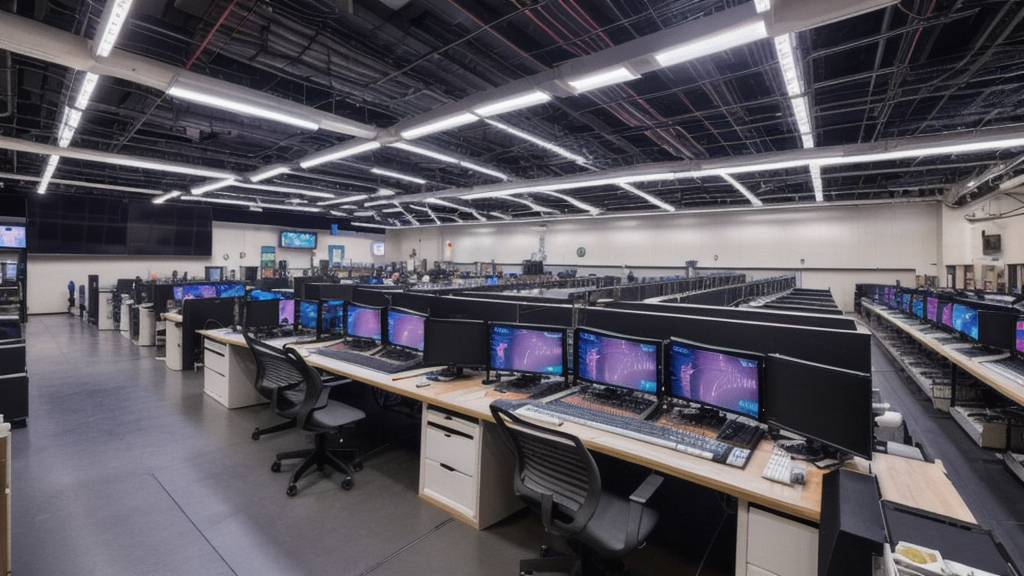
Enhancing Efficiency and Cost-Effectiveness
One of the primary drivers behind the adoption of remote production systems is their ability to streamline operations and cut expenses. According to a recent report by SportsMediaIntel, organizations can save up to 30% in personnel and travel costs by utilizing these technologies. "Remote control rooms enable us to optimize our resources and focus on delivering exceptional experiences to viewers," says Emily Carter, Chief Technology Officer at GlobalSportsNetwork. "With solutions like NewTek’s Tricaster TC1, we can manage multiple broadcasts from a single location without compromising quality."
Seamless Integration of Advanced Technologies
Remote production control rooms integrate cutting-edge technologies that enhance the live broadcast experience. Ross Video’s Over-the-Top (OTT) platform, for instance, allows broadcasters to stream content in real-time with minimal latency, ensuring viewers receive an uninterrupted and high-quality feed. "The key to successful remote production is seamless integration of various technologies," notes Michael Thompson, Director of Engineering at SportsMediaTech. "Our systems are designed to handle complex workflows efficiently, from camera control to graphics overlay, providing broadcasters with a comprehensive solution."
Future Trends in Remote Production
As the technology continues to evolve, we can expect further advancements that will push the boundaries of live sports production. One notable trend is the increased use of artificial intelligence (AI) for automated content generation and real-time analytics. "AI-driven tools are becoming integral to remote production," Thompson adds. "They help in optimizing workflows, enhancing viewer engagement, and providing valuable insights into audience behavior."
Conclusion
Remote control room technology represents a paradigm shift in the live sports broadcast industry, offering broadcasters unprecedented flexibility and efficiency. With solutions from leading companies like NewTek and Ross Video, the future of live production looks promising, as organizations continue to innovate and adapt to new technologies.

Remote & Cloud Correspondent · Sports Media Beat
Covering the business of remote & cloud for Sports Media Beat — the intelligence layer for sports media industry professionals tracking rights deals, streaming strategy, and broadcast technology.
All articles by Marcus Webb →Discussion
Join the conversation
Comments are moderated. Please keep discussion respectful and on-topic. Flag inappropriate content using the flag icon.
You May Also Like

Revolutionizing Sports Production: How Software-Defined Networking (SDN) Enhances Remote and Cloud Broadcasting
Discover how software-defined networking optimizes bandwidth usage, enhances reliability, and secures remote and cloud sports broadcasting operations.

Revolutionizing Remote Sports Production: How 5G is Transforming Live Broadcasts
Discover how 5G technology is revolutionizing remote sports production, offering unprecedented speed and reliability. Companies like Intel and Ericsson are leading this transformation with innovative solutions.
Revolutionizing Live Sports Coverage: How Remote Commentary and Talent Integration Systems are Transforming the Industry
Discover how advanced technologies are revolutionizing live sports coverage with seamless remote commentary and integrated talent management systems.

