Revolutionizing Live Sports Production: How Modular Design and AI Integration Are Reshaping Production Trucks
Learn how advanced design and AI enhance flexibility, efficiency in live sports production trucks.

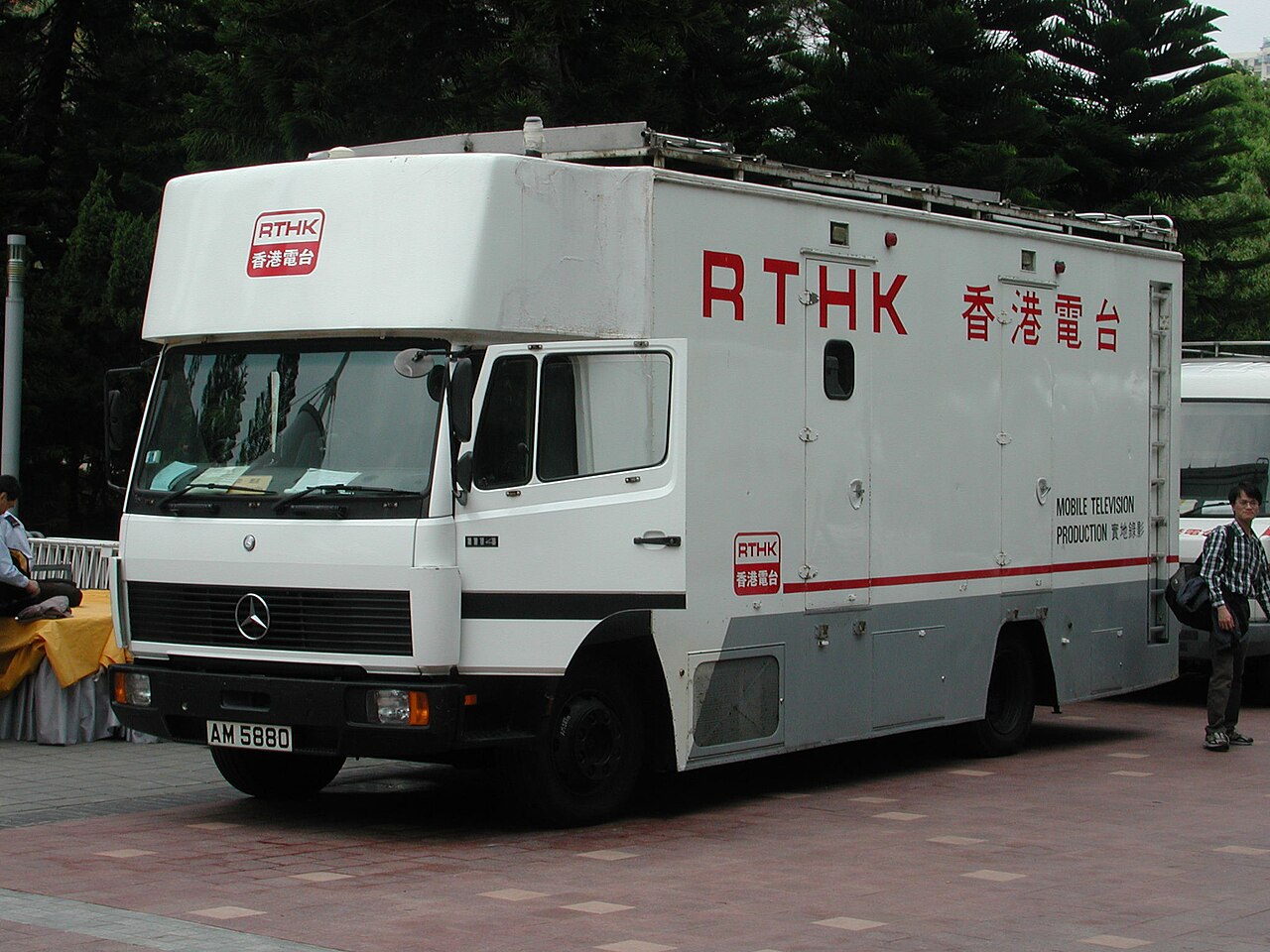
In a significant shift, leading manufacturers are adopting modular designs and advanced AI systems to enhance the efficiency and flexibility of production trucks. This transformation is not only streamlining operations but also setting new standards in live sports broadcast technology. ## The Rise of Modular Designs Traditionally, production trucks were built as monolithic units, with all equipment permanently installed. However, this approach has limitations when it comes to scalability and adaptability.
“The future lies in modularity,” says Sarah Chen, Chief Engineer at TechCraft Media Solutions, a leading producer of live production vehicles. “Modular designs allow us to easily swap out components and scale up or down based on the event requirements.” TechCraft’s latest offering, the MCX-200, is a prime example of this approach. The truck uses a modular system that can be reconfigured on-site in just 48 hours.
This flexibility ensures that broadcasters can tailor their setup to meet the unique demands of each event. ## Integrating Artificial Intelligence Beyond physical design, AI is playing an increasingly crucial role in optimizing production workflows. “AI can automate repetitive tasks and enhance decision-making processes,” explains Dr. Raj Patel, Head of Research & Development at Innovatech Systems, a company renowned for its broadcast solutions.
The Innovatech AI Suite, which includes features like automated camera control and intelligent editing tools, is transforming how live events are produced. In field tests, the suite has reduced production time by up to 30% while maintaining high-quality output. ## Enhancing Remote Workflows As remote work becomes more prevalent, the ability to seamlessly integrate remote elements into live productions has become essential. “Our latest trucks incorporate advanced remote collaboration tools that allow for real-time interaction with off-site teams,” says Chen.
The MCX-200’s remote integration capabilities enable broadcasters to leverage resources from anywhere in the world, enhancing creativity and reducing costs associated with physical presence at events. This feature is particularly valuable for global broadcasts where traditional logistics can be challenging. The evolution of production truck design and systems integration is reshaping the live sports broadcast industry.
By embracing modular designs and AI technologies, manufacturers are not only improving efficiency but also expanding the possibilities for creativity and scalability in live productions.

Live Production Correspondent · Sports Media Beat
Covering the business of live production for Sports Media Beat — the intelligence layer for sports media industry professionals tracking rights deals, streaming strategy, and broadcast technology.
All articles by Priya Nanthan →Discussion
Join the conversation
Comments are moderated. Please keep discussion respectful and on-topic. Flag inappropriate content using the flag icon.
You May Also Like
Broadband Infrastructure: A New Frontier for Live Sports Broadcasting
As the demand for high-quality live sports broadcasting continues to grow, the importance of reliable broadband infrastructure cannot be overstated. In this art
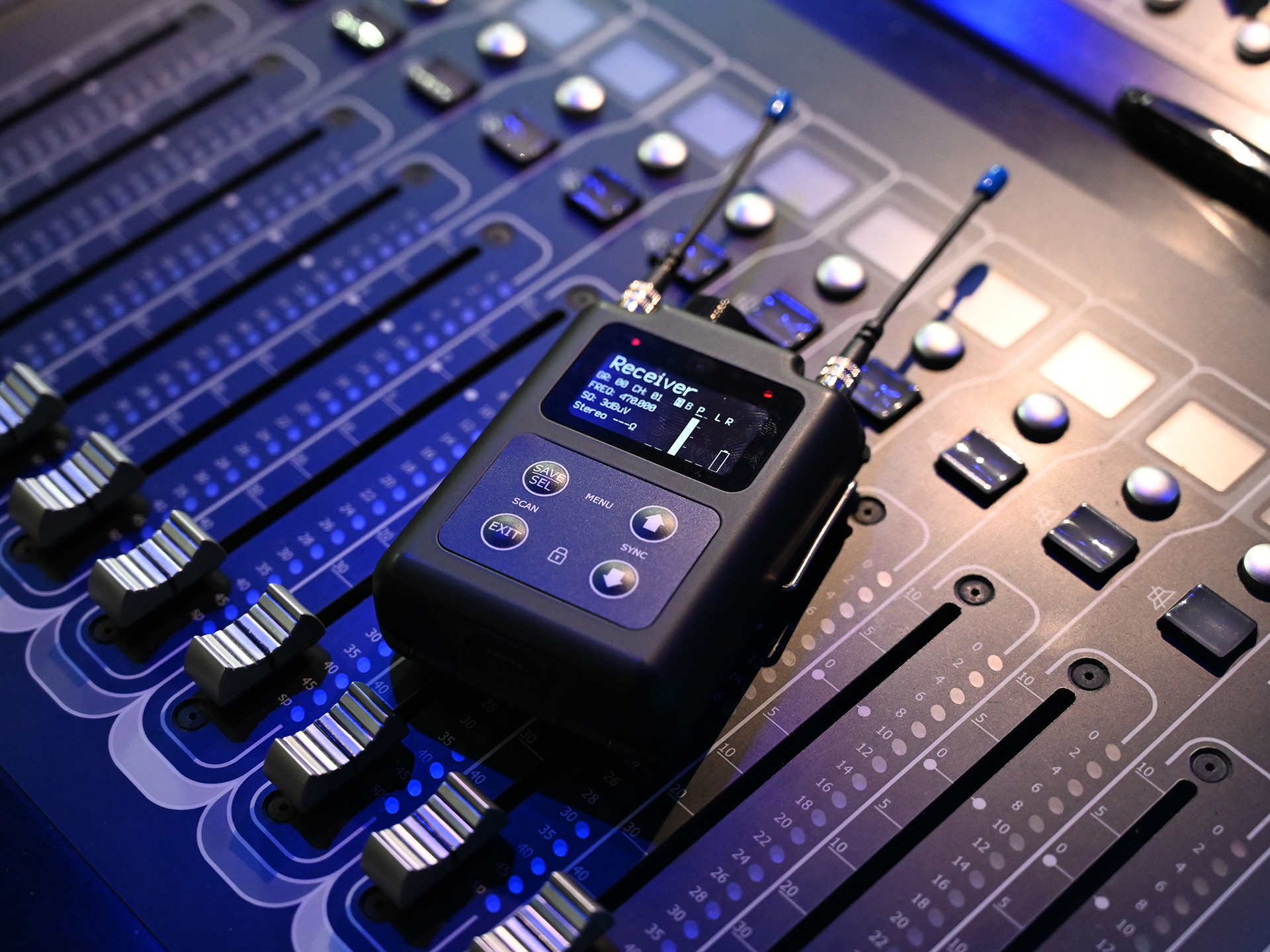
Wisycom MPR60, MATF, and PFL RFoF Box Target Stadium-Scale Wireless for World Cup and OB Fleets
Wisycom's updated MPR60 IFB receiver, MATF wideband antenna matrix, and PFL portable RF-over-fiber box give sports RF crews denser multichannel IFB, consol

Revolutionizing Live Sports: How Advanced Real-Time Graphics Engines Are Shaping the Future of Overlays
Discover how Vizrt's Viz Engine 4 and SportzCast's AI Graphics Studio are revolutionizing live sports with real-time graphics, enhancing viewer engagement and visual storytelling.