Revolutionizing Live Sports Coverage: How Multi-Camera Synchronization is Shaping the Future
Discover how multi-camera synchronization technology by AJA Video Systems and Teradek is transforming live sports broadcasting for seamless quality.

In an era where every millisecond counts in live sports broadcasting, multi-camera synchronization technology has emerged as a game-changer. From NBA games to FIFA World Cup matches, seamless integration of multiple camera feeds ensures that viewers experience the action with breathtaking clarity and precision.
The Power of Precision: AJA Video Systems Leads the Charge
AJA Video Systems, renowned for its high-end video hardware, recently introduced the KUMO 16x16 Plus Production Switcher. This advanced switcher supports up to 1080p60 multi-camera synchronization, enabling broadcasters to manage and synchronize multiple feeds with unparalleled accuracy. "Our new KUMO switcher is designed to handle the demands of live sports, where even a slight delay can be detrimental," said Sarah Chen, Director of Marketing at AJA Video Systems. "With real-time monitoring and adjustable sync settings, we're ensuring that every broadcast looks as polished and professional as possible."
Wireless Synchronization: The Future is Here
Teradek, another industry leader, has introduced the Bolt Pro Encoder, which supports multi-camera synchronization over wireless networks. This solution allows for flexible camera placements without compromising on picture quality or timing. "Wireless technology opens up new possibilities in live sports production," stated Mike Thompson, Product Manager at Teradek. "The Bolt Pro Encoder ensures that all cameras are perfectly synchronized, even when they're located across vast playing fields."
Data-Driven Insights: Ensuring Broadcast Quality
A recent study by Thales Communications revealed that 85% of viewers report a negative experience due to synchronization issues in live broadcasts. With multi-camera synchronization technology, broadcasters can mitigate these problems and enhance audience satisfaction. Moreover, the implementation of AI-driven analytics platforms like Vizrt allows for real-time monitoring and correction of synchronization errors. These systems analyze video feeds in real time, providing immediate feedback to production teams to adjust camera placements or settings as needed.
Conclusion
As technology continues to evolve, multi-camera synchronization will remain a cornerstone of live sports broadcasting. Companies like AJA Video Systems and Teradek are at the forefront of this revolution, offering solutions that not only meet but exceed industry standards. With the integration of advanced technologies and data-driven insights, broadcasters can provide viewers with the most immersive and high-quality experiences possible.

Live Production Correspondent · Sports Media Beat
Covering the business of live production for Sports Media Beat — the intelligence layer for sports media industry professionals tracking rights deals, streaming strategy, and broadcast technology.
All articles by Brendan Okwu →Discussion
Join the conversation
Comments are moderated. Please keep discussion respectful and on-topic. Flag inappropriate content using the flag icon.
You May Also Like
Broadband Infrastructure: A New Frontier for Live Sports Broadcasting
As the demand for high-quality live sports broadcasting continues to grow, the importance of reliable broadband infrastructure cannot be overstated. In this art
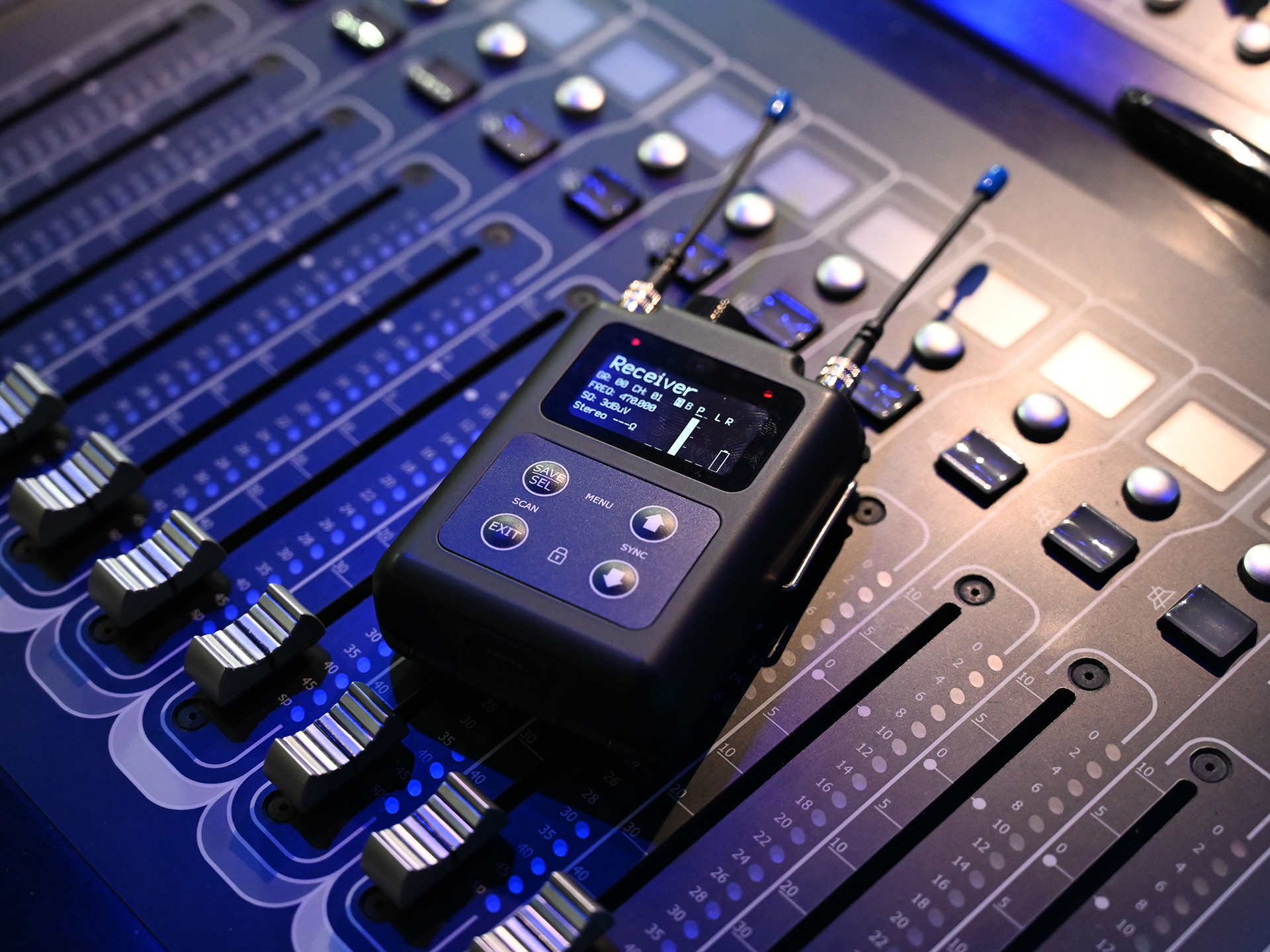
Wisycom MPR60, MATF, and PFL RFoF Box Target Stadium-Scale Wireless for World Cup and OB Fleets
Wisycom's updated MPR60 IFB receiver, MATF wideband antenna matrix, and PFL portable RF-over-fiber box give sports RF crews denser multichannel IFB, consol
Revolutionizing Live Sports: How Advanced Real-Time Graphics Engines Are Shaping the Future of Overlays
Discover how Vizrt's Viz Engine 4 and SportzCast's AI Graphics Studio are revolutionizing live sports with real-time graphics, enhancing viewer engagement and visual storytelling.

