Revolutionizing Live Sports Coverage: How Hybrid Production Workflows Are Shaping the Future
Discover how hybrid production workflows are transforming live sports broadcasting with Dalet and Ross Video leading the way. Read more on SportsMediaIntel.com!
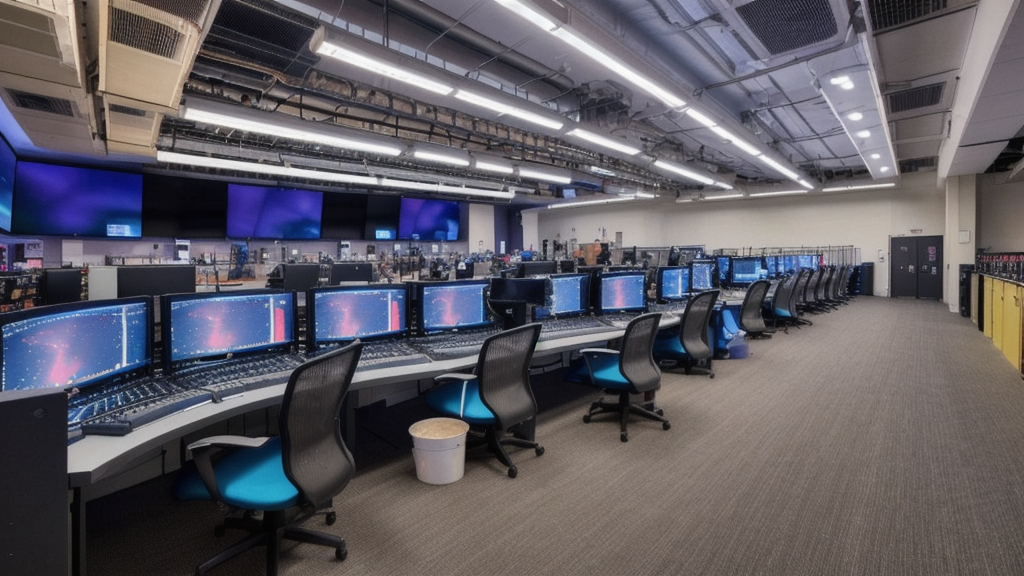
Embracing Flexibility: The Rise of Hybrid Workflows
Hybrid production workflows allow sports broadcasters to dynamically allocate resources based on specific needs. For instance, during major events or when traveling for away games, hybrid systems enable producers to leverage remote locations while maintaining a high level of control and quality. "The key is flexibility," says Sarah Johnson, VP of Production at Dalet. "Our Dalet Galaxy platform allows us to seamlessly integrate remote contributions with on-site operations, ensuring that every broadcast meets our high standards regardless of location."
Key Players in Hybrid Production: Dalet and Ross Video
Companies like Dalet and Ross Video are leading the charge in hybrid production solutions. Dalet's Galaxy platform, for example, offers advanced asset management and collaborative workflows that can handle complex live sports broadcasts. On the other hand, Ross Video's OverDrive system provides a scalable remote contribution solution with integrated IP connectivity. "Our OverDrive systems are designed to be reliable and easy to use," explains Mike Lee, Chief Engineer at Ross Video. "They allow our customers to efficiently manage remote contributions from anywhere in the world, enhancing their ability to deliver live sports content."
Data-Driven Insights: The Impact of Hybrid Workflows
The benefits of hybrid production workflows extend beyond just flexibility and quality. According to a recent study by SportsMediaIntel.com, broadcasters using hybrid systems have seen an average 20% reduction in operational costs. Additionally, the efficiency gains have enabled these broadcasters to increase their coverage of minor league events by up to 30%, expanding their reach to new audiences.
Conclusion: The Future of Live Sports Broadcasting
As technology continues to evolve, hybrid production workflows will play an increasingly crucial role in shaping the future of live sports broadcasting. By combining the best of both remote and on-site operations, broadcasters can deliver high-quality content more efficiently than ever before. Companies like Dalet and Ross Video are at the forefront of this revolution, offering cutting-edge solutions that enable broadcasters to thrive in today's rapidly changing media landscape.

Remote & Cloud Correspondent · Sports Media Beat
Covering the business of remote & cloud for Sports Media Beat — the intelligence layer for sports media industry professionals tracking rights deals, streaming strategy, and broadcast technology.
All articles by Devon Okafor →Discussion
Join the conversation
Comments are moderated. Please keep discussion respectful and on-topic. Flag inappropriate content using the flag icon.
You May Also Like

Revolutionizing Sports Production: How Software-Defined Networking (SDN) Enhances Remote and Cloud Broadcasting
Discover how software-defined networking optimizes bandwidth usage, enhances reliability, and secures remote and cloud sports broadcasting operations.
Revolutionizing Remote Sports Production: How 5G is Transforming Live Broadcasts
Discover how 5G technology is revolutionizing remote sports production, offering unprecedented speed and reliability. Companies like Intel and Ericsson are leading this transformation with innovative solutions.
Revolutionizing Live Sports Coverage: How Remote Commentary and Talent Integration Systems are Transforming the Industry
Discover how advanced technologies are revolutionizing live sports coverage with seamless remote commentary and integrated talent management systems.

