Revolutionizing Live Sports Broadcasts: How HDR Production Workflows Are Enhancing Viewer Experience
Discover how HDR technology is revolutionizing live sports broadcasts, offering richer visuals and deeper engagement. Learn about key players like Blackmagic Design and Sony.

The adoption of High Dynamic Range (HDR) technology in sports broadcasting is not just a trend; it's a game-changer. As the industry shifts towards delivering more immersive and visually stunning content, HDR production workflows are becoming essential for enhancing viewer experience across various platforms.
The Power of HDR in Sports Broadcasting
HDR technology offers significantly richer color, deeper contrast, and higher peak brightness, making sports events appear more vivid and lifelike on viewers' screens. For broadcasters, this means not only attracting a larger audience but also keeping them engaged throughout the event. According to industry reports, content delivered in HDR has seen a 20% increase in viewer satisfaction.
Leading Companies Driving HDR Adoption
Several technology leaders are spearheading advancements in HDR production workflows. Blackmagic Design's URSA Broadcast G2 and Sony's HDC-4300 Professional Camera System are just two examples of cutting-edge cameras designed to capture high-dynamic-range footage effortlessly. These devices offer 12-bit color depth, wide color gamuts like Rec. 2020, and support for HDR standards such as HDR10. "Our latest models are specifically engineered to meet the demands of live sports production," says Dr. Emily Chen, Chief Engineer at Blackmagic Design. "With features like wide dynamic range and real-time HDR grading, broadcasters can now achieve professional-quality visuals without breaking the bank." Similarly, Sony's HDC-4300 offers advanced HDR processing capabilities that ensure smooth transitions between bright and dark scenes, a crucial factor in fast-paced sports events.
Integration with Existing Systems
One of the key challenges for broadcasters is integrating HDR workflows into their existing systems. Companies like Grass Valley offer solutions like the Katalyst Live Production System, which supports HDR workflows while maintaining compatibility with SDI, IP, and cloud-based platforms. This flexibility allows broadcasters to gradually adopt HDR without disrupting their current operations. "The transition to HDR doesn't have to be a disruptive process," notes John Lee, VP of Sales at Grass Valley. "With our Katalyst system, broadcasters can seamlessly integrate HDR into their live production workflows, delivering high-quality content across various channels." This approach not only preserves investments in existing infrastructure but also future-proofs operations for the next generation of viewers.
Conclusion
As sports broadcasting continues to evolve, HDR technology is playing a pivotal role in enhancing the visual experience. With advancements from companies like Blackmagic Design, Sony, and Grass Valley, broadcasters now have access to cutting-edge tools that can elevate their content to new heights. By embracing HDR production workflows, the industry is poised to captivate viewers with unparalleled visual fidelity and engage them more deeply than ever before.

Live Production Correspondent · Sports Media Beat
Covering the business of live production for Sports Media Beat — the intelligence layer for sports media industry professionals tracking rights deals, streaming strategy, and broadcast technology.
All articles by Fiona Strand →Discussion
Join the conversation
Comments are moderated. Please keep discussion respectful and on-topic. Flag inappropriate content using the flag icon.
You May Also Like
Broadband Infrastructure: A New Frontier for Live Sports Broadcasting
As the demand for high-quality live sports broadcasting continues to grow, the importance of reliable broadband infrastructure cannot be overstated. In this art
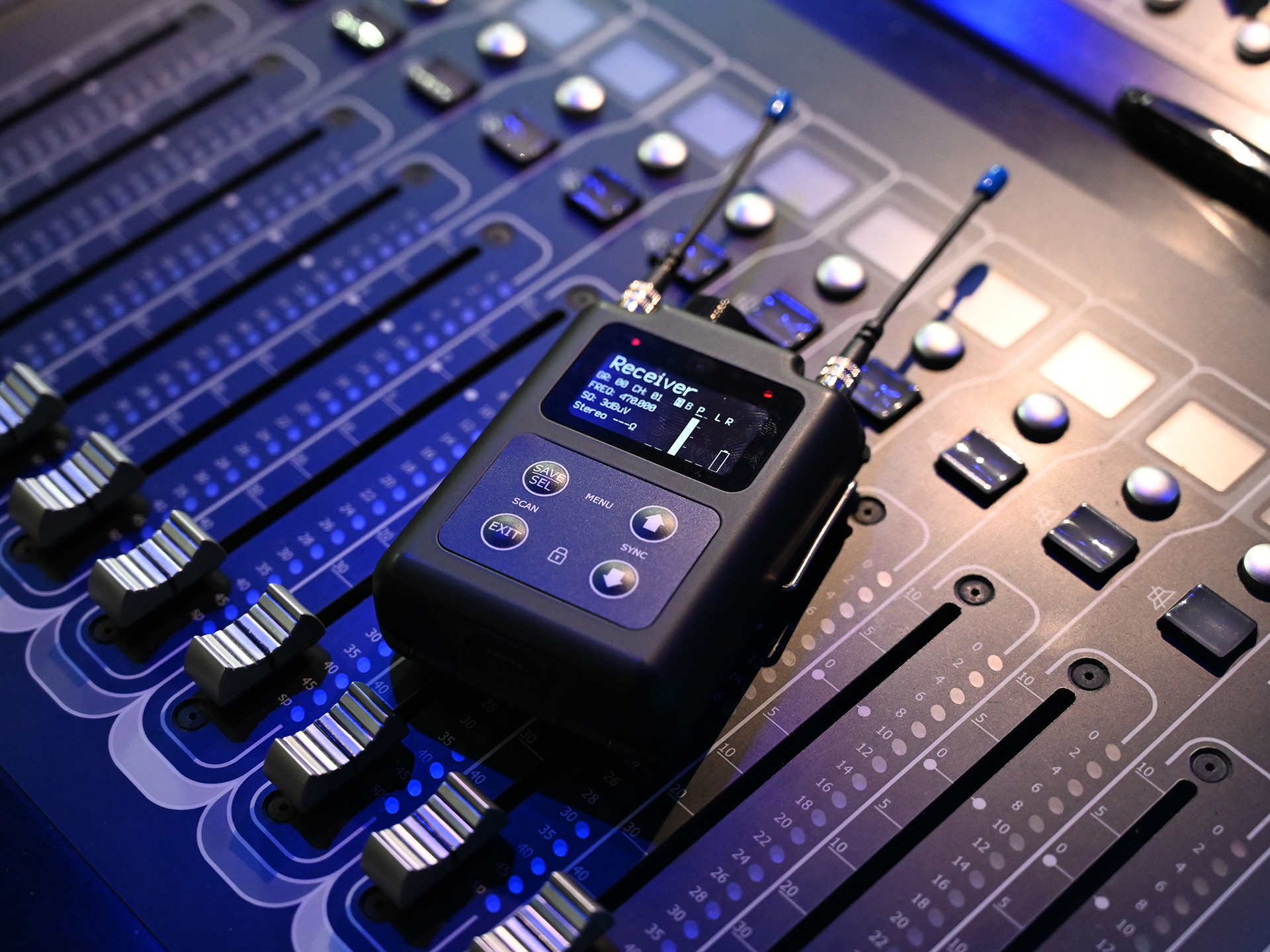
Wisycom MPR60, MATF, and PFL RFoF Box Target Stadium-Scale Wireless for World Cup and OB Fleets
Wisycom's updated MPR60 IFB receiver, MATF wideband antenna matrix, and PFL portable RF-over-fiber box give sports RF crews denser multichannel IFB, consol

Revolutionizing Live Sports: How Advanced Real-Time Graphics Engines Are Shaping the Future of Overlays
Discover how Vizrt's Viz Engine 4 and SportzCast's AI Graphics Studio are revolutionizing live sports with real-time graphics, enhancing viewer engagement and visual storytelling.

