Revolutionizing Live Production: How Remote Control Room Technology is Shaping the Future of Sports Broadcasting
Discover how remote production control rooms by Ross Video and Lawo are reshaping the future of live event coverage in sports broadcasting.
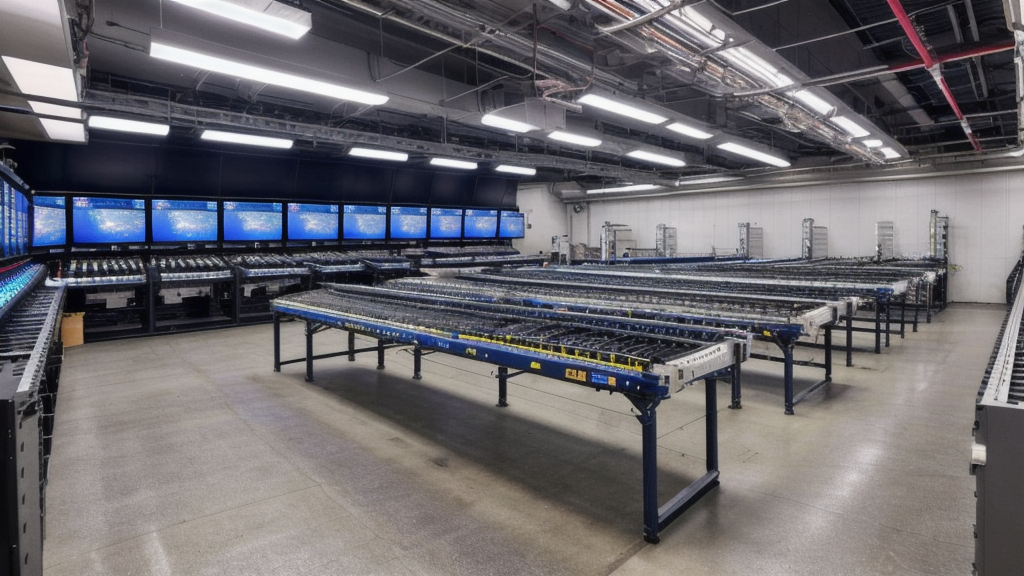
The landscape of live sports broadcasting is undergoing a significant transformation with the advent of remote production control room technology. This evolution not only enhances operational efficiency but also broadens access to high-quality production capabilities, making it possible for broadcasters to cover events from virtually anywhere in the world.
The Rise of Remote Production Control Rooms
Remote production allows the core functions of live television and digital broadcasting—such as directing, switching, and graphics—to be managed from a centralized or remote location. This shift is driven by several factors including cost savings, scalability, and improved workflow management. According to a recent study by Frost & Sullivan, the global market for remote production technology is projected to reach $1.6 billion by 2030.
Key Players in Remote Production
Several companies are leading the charge in remote production control room solutions. Ross Video, a pioneer in video production systems, has introduced the Zippo Control System, which provides a compact, scalable, and cost-effective solution for remote operations. The system supports up to 64 HD/SD sources and integrates seamlessly with existing workflows. "The Zippo Control System represents a significant step forward in how we approach live production," says David Ross, CEO of Ross Video. "It enables broadcasters to streamline their operations without compromising on quality or flexibility." Another notable player is Lawo, known for its advanced audio solutions. Their mc²56 audio system supports up to 256 channels and integrates seamlessly with remote workflows, enhancing sound quality and production capabilities.
Benefits and Challenges
The benefits of remote production are manifold. For instance, it allows broadcasters to maintain a consistent high-quality signal from multiple locations without the need for extensive physical infrastructure at each site. This not only reduces operational costs but also minimizes travel and logistical requirements. Moreover, remote production enables real-time collaboration between teams in different parts of the world, enhancing creativity and efficiency. However, there are challenges that come with this technology shift. Ensuring reliable and low-latency connections is crucial for maintaining picture and sound quality. Network infrastructure must be robust to handle large data flows and support high-definition video streams. Additionally, training staff on new systems and protocols is essential to maximize the benefits of remote production.
The Future of Sports Broadcasting
As technology continues to evolve, we can expect further advancements in remote production control room solutions. These innovations will likely include more sophisticated automation features, enhanced connectivity options, and improved user interfaces. The future of sports broadcasting looks brighter with remote production at its core, offering broadcasters the tools they need to deliver exceptional content from anywhere. In conclusion, remote production control room technology is not just a trend; it's a paradigm shift in live event coverage. Companies like Ross Video and Lawo are playing pivotal roles in this transformation, providing solutions that redefine what's possible in sports broadcasting.

Remote & Cloud Correspondent · Sports Media Beat
Covering the business of remote & cloud for Sports Media Beat — the intelligence layer for sports media industry professionals tracking rights deals, streaming strategy, and broadcast technology.
All articles by Alexis Drummond →Discussion
Join the conversation
Comments are moderated. Please keep discussion respectful and on-topic. Flag inappropriate content using the flag icon.
You May Also Like

Revolutionizing Sports Production: How Software-Defined Networking (SDN) Enhances Remote and Cloud Broadcasting
Discover how software-defined networking optimizes bandwidth usage, enhances reliability, and secures remote and cloud sports broadcasting operations.

Revolutionizing Remote Sports Production: How 5G is Transforming Live Broadcasts
Discover how 5G technology is revolutionizing remote sports production, offering unprecedented speed and reliability. Companies like Intel and Ericsson are leading this transformation with innovative solutions.
Revolutionizing Live Sports Coverage: How Remote Commentary and Talent Integration Systems are Transforming the Industry
Discover how advanced technologies are revolutionizing live sports coverage with seamless remote commentary and integrated talent management systems.

