Revolutionizing Live Production: How Automation Systems Are Shaping Sports Broadcasts in 2026
Discover how Dalet's Automatique and Adobe's Prelude AI are revolutionizing sports broadcast production, enhancing quality and efficiency.
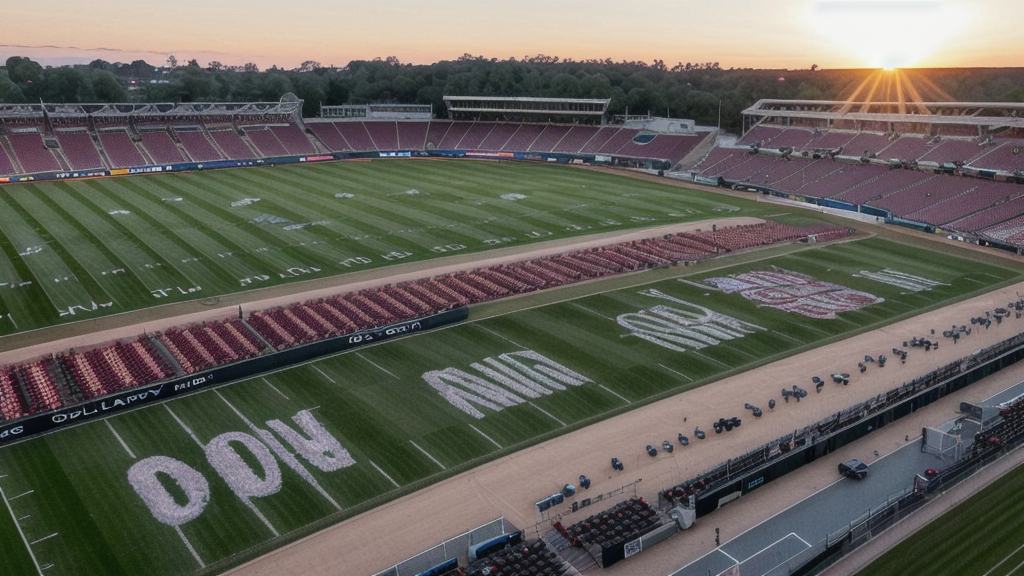
The Rise of AI in Sports Production
Artificial intelligence (AI) is playing an increasingly crucial role in modern broadcast operations. According to a recent survey by IABM, 73% of broadcasters plan to invest more in AI technology over the next three years. This shift reflects not only the technological advancements but also the pressing need for efficiency and accuracy in content creation. "AI is fundamentally changing how we produce sports content," said Dr. Emily Chen, Chief Technology Officer at Dalet. "Our Automatique system can analyze thousands of hours of footage in real-time, identifying key moments with incredible precision."
Enhancing Efficiency with Automation
One of the most significant benefits of automation systems is their ability to save time and resources. Traditionally, creating highlights required manual labor, which could take several hours or even days. With Dalet's Automatique and Adobe's Prelude AI, this process can be drastically reduced. "We've seen a 75% reduction in the time it takes to produce highlights since implementing Prelude AI," reported Mike Thompson, Head of Production at SportsNet. "This allows our team to focus on other aspects of broadcast operations that require human creativity and decision-making."
Ensuring Quality and Accuracy
While automation systems can perform tasks quickly, maintaining quality is paramount in sports broadcasting. Both Dalet's Automatique and Adobe's Prelude AI incorporate sophisticated algorithms that analyze footage for specific criteria, such as player movements, camera angles, and game moments. "The accuracy of our system is impressive," Chen continued. "It uses machine learning to constantly improve its performance based on user feedback, ensuring that every highlight meets the highest standards."
Future Outlook: Seamless Integration
As these technologies continue to evolve, we can expect even more seamless integration into existing workflows. The goal is to create a system where human and artificial intelligence work in harmony, enhancing both efficiency and creativity. "The future of sports broadcasting lies at the intersection of technology and storytelling," Thompson concluded. "Automation systems are not just tools; they are partners that enable us to deliver exceptional content to our audience." In conclusion, the integration of automation systems like Dalet's Automatique and Adobe's Prelude AI is reshaping the live production landscape in sports broadcasting. By leveraging AI technology, broadcasters can produce high-quality replays and highlights faster and more accurately than ever before.

Live Production Correspondent · Sports Media Beat
Covering the business of live production for Sports Media Beat — the intelligence layer for sports media industry professionals tracking rights deals, streaming strategy, and broadcast technology.
All articles by Brendan Okwu →Discussion
Join the conversation
Comments are moderated. Please keep discussion respectful and on-topic. Flag inappropriate content using the flag icon.
You May Also Like
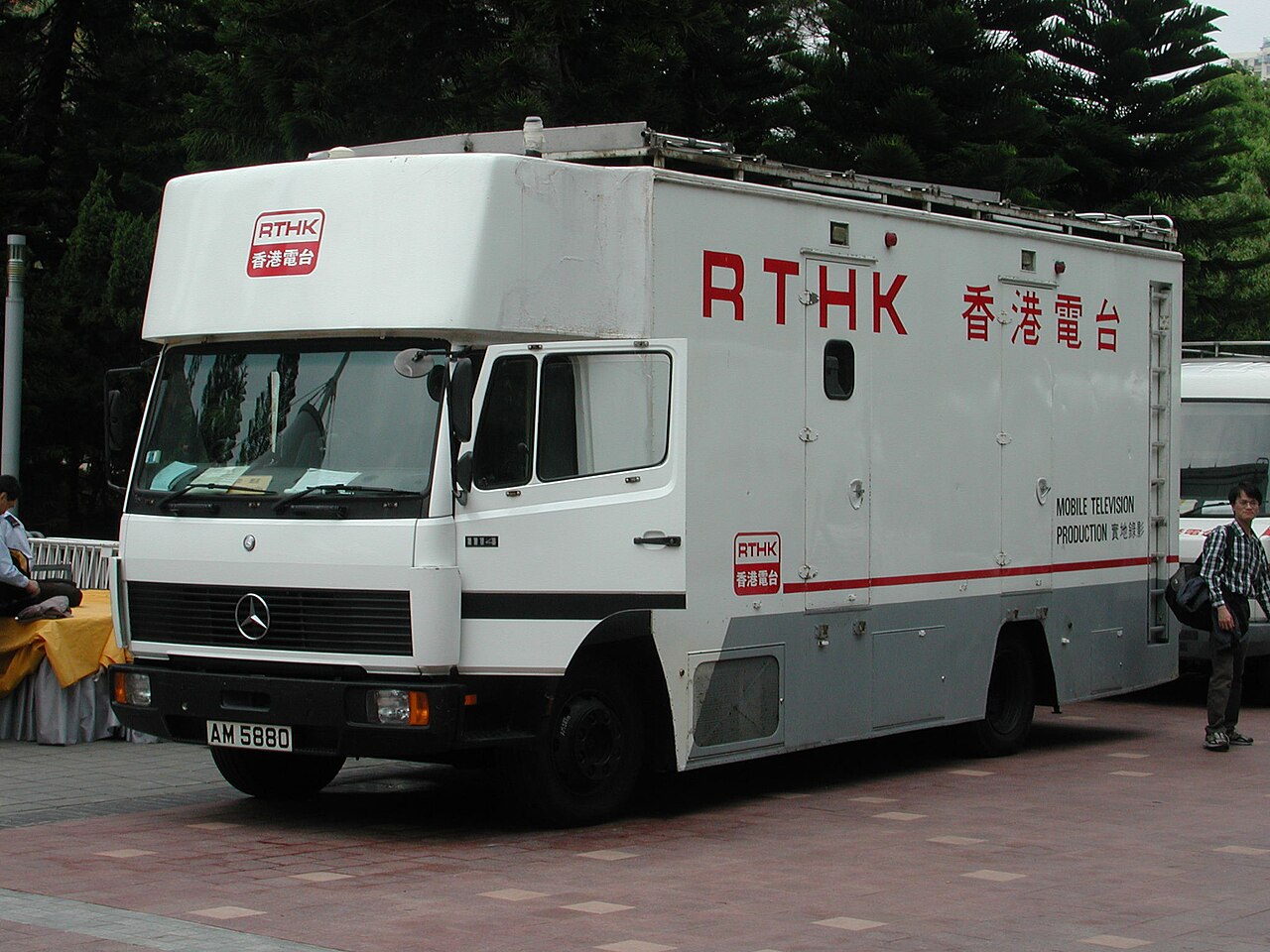
Broadband Infrastructure: A New Frontier for Live Sports Broadcasting
As the demand for high-quality live sports broadcasting continues to grow, the importance of reliable broadband infrastructure cannot be overstated. In this art
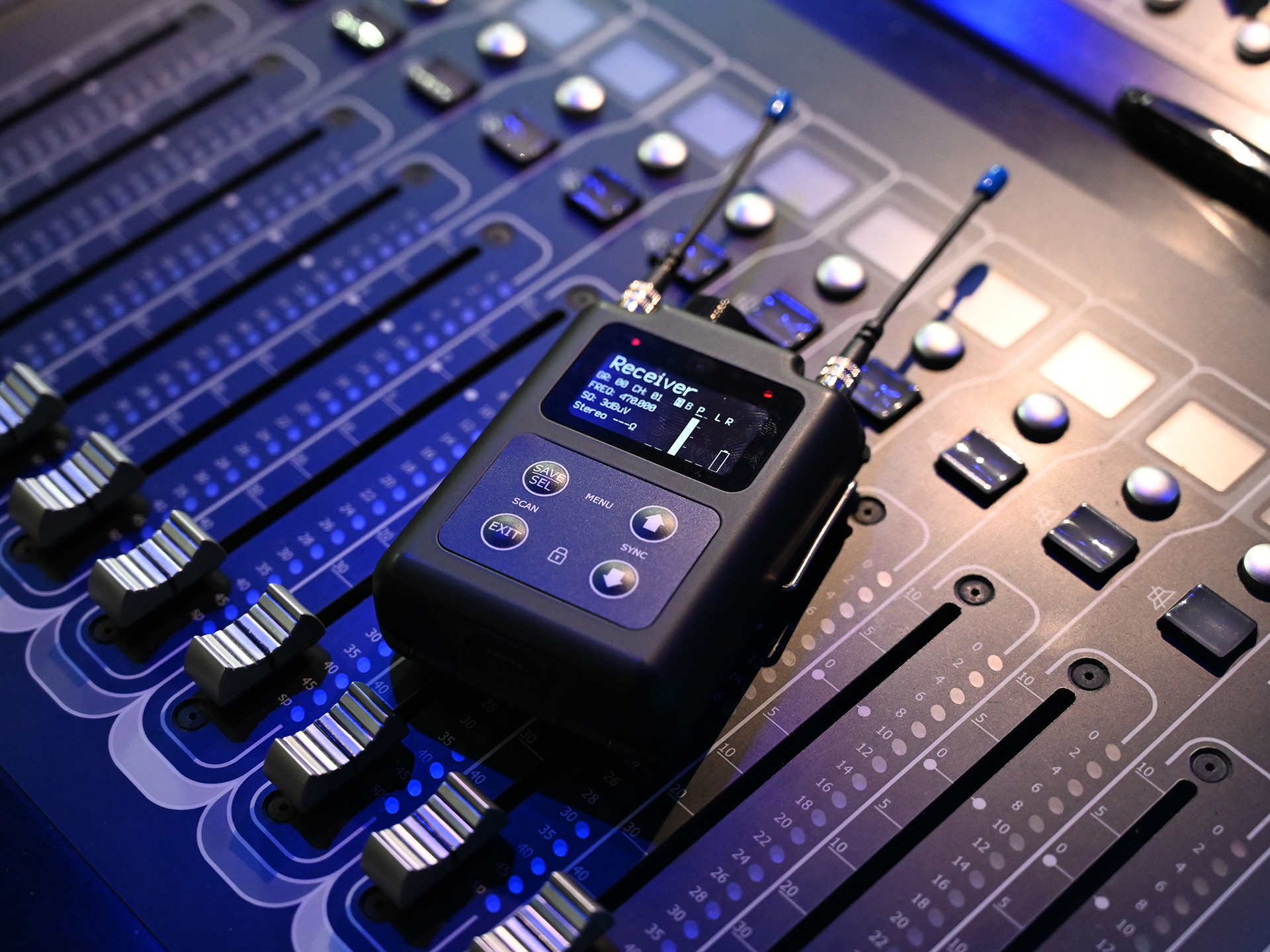
Wisycom MPR60, MATF, and PFL RFoF Box Target Stadium-Scale Wireless for World Cup and OB Fleets
Wisycom's updated MPR60 IFB receiver, MATF wideband antenna matrix, and PFL portable RF-over-fiber box give sports RF crews denser multichannel IFB, consol
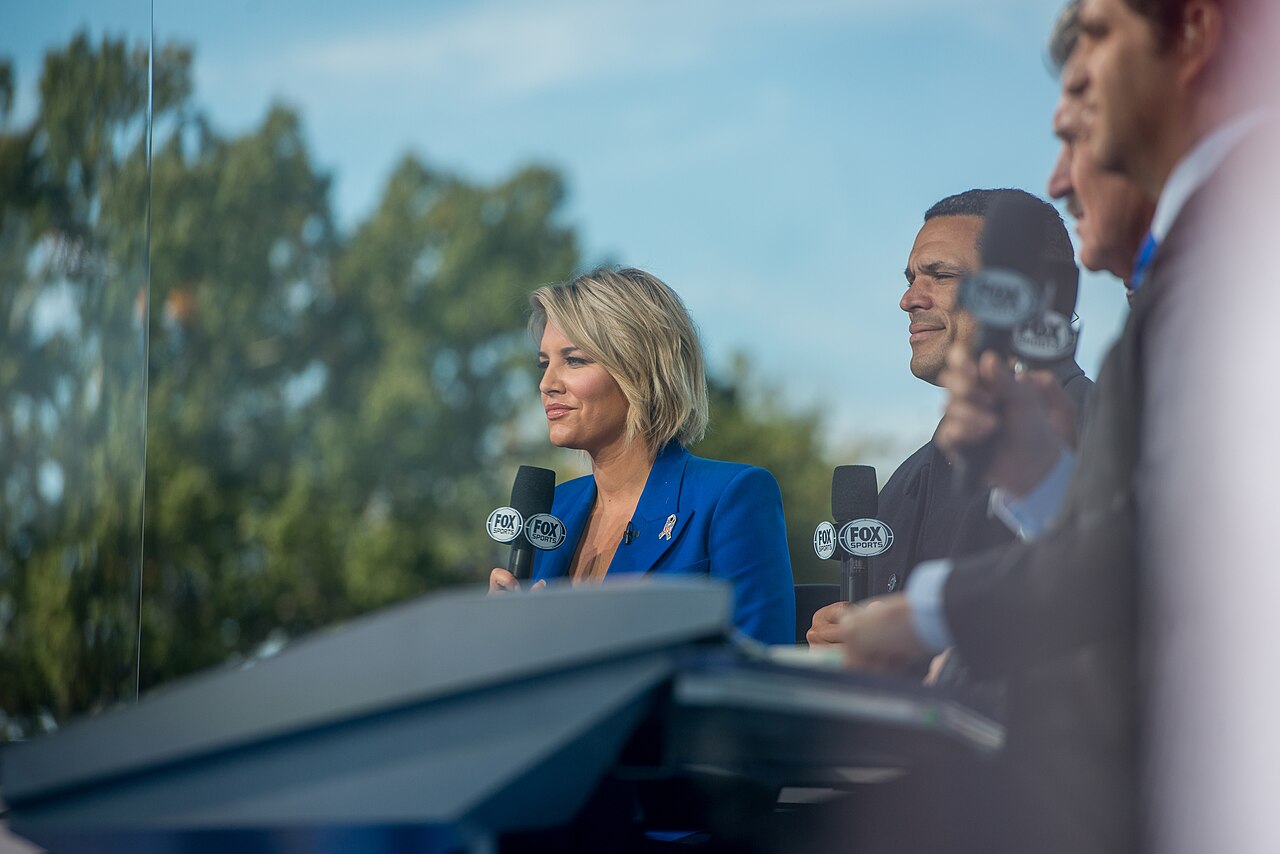
Revolutionizing Live Sports: How Advanced Real-Time Graphics Engines Are Shaping the Future of Overlays
Discover how Vizrt's Viz Engine 4 and SportzCast's AI Graphics Studio are revolutionizing live sports with real-time graphics, enhancing viewer engagement and visual storytelling.

