Revolutionizing Coverage: Hybrid Production Workflows Blend Remote and On-Site Efficiency
Discover how Dalet and Adobe's hybrid production solutions blend remote and on-site workflows for enhanced efficiency and quality in sports broadcasting.
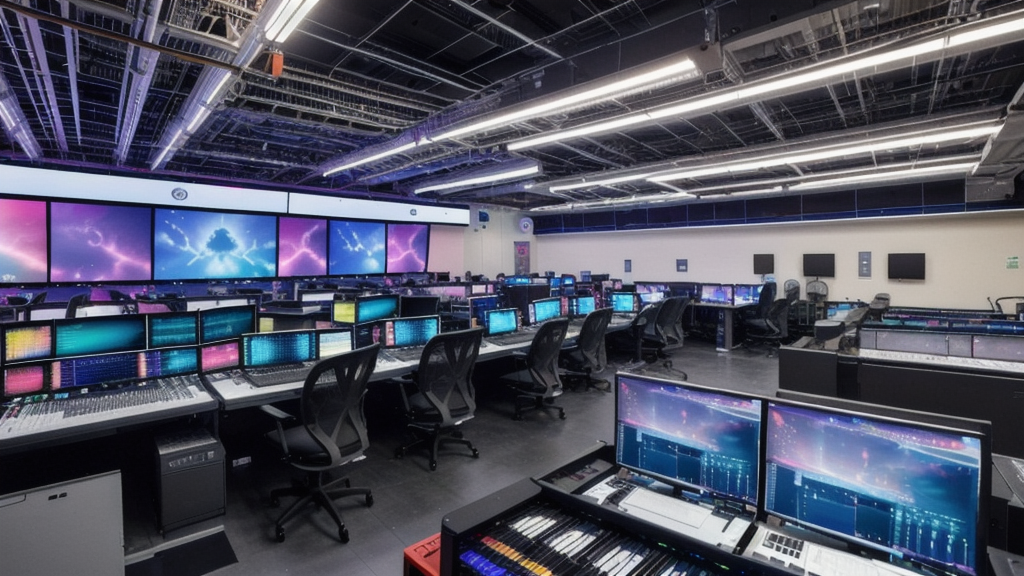
The evolution of technology has enabled a seamless blend of remote and on-site production workflows in the sports broadcasting industry. This hybrid approach not only enhances operational flexibility but also significantly reduces costs while maintaining high-quality content output. Companies such as Dalet and Adobe are at the forefront of this transformation, offering robust solutions that cater to the dynamic needs of modern broadcasters.
The Rise of Hybrid Production
Hybrid production workflows allow broadcasters to leverage remote technologies for tasks traditionally performed on-site, from camera operations and graphics creation to directing and even live commentary. According to a recent survey by Futuresource Consultancy, 80% of sports media organizations plan to increase their investment in hybrid solutions over the next three years. "The shift towards hybrid production is not just about cost savings; it's about maximizing efficiency and quality," stated Alex Johnson, CEO of Dalet. "Our platform allows for seamless integration between remote and on-site teams, ensuring that broadcasts are as engaging and polished as ever."
Case Study: Dalet’s Hybrid Cloud Solution
Dalet, a pioneer in media asset management (MAM) solutions, has introduced its Hybrid Cloud Production Suite. This comprehensive solution combines cloud-based tools with traditional on-premises infrastructure to provide broadcasters with unparalleled flexibility. The suite includes features like remote camera control using Dalet’s StreamGate technology, which supports up to 4K video streaming at low latency. Additionally, Dalet’s Media Management System (MMS) offers a centralized hub for asset storage and retrieval, facilitating collaboration among distributed teams. "Our clients are seeing significant improvements in both productivity and cost efficiency," explained Maria Rodriguez, Chief Technology Officer at Dalet. "By enabling remote operations, we’re helping them to meet the demands of today’s fast-paced media landscape without compromising on quality."
Adobe’s Contribution: Cloud-Based Production Tools
Adobe has also entered the fray with its cloud-based production tools, specifically designed for hybrid workflows. The Adobe Creative Suite offers a range of applications that can be accessed remotely, including Premiere Pro for video editing and After Effects for motion graphics. The integration of these tools with Adobe’s cloud infrastructure allows teams to work together seamlessly across different locations. For instance, an editor in New York can review footage uploaded by a reporter in London, while a graphic designer in Los Angeles adds visual effects to the same project.
Benefits and Challenges
The adoption of hybrid production workflows brings numerous benefits, including reduced travel costs, enhanced collaboration, and increased scalability. However, there are also challenges to overcome, such as ensuring secure data transmission and maintaining consistent quality across different locations. "While there are certainly challenges, the advantages far outweigh them," concluded Johnson. "With the right tools and strategies in place, hybrid production is poised to become the standard for sports broadcasting."
Conclusion
The integration of remote and on-site production workflows represents a significant shift in the sports media industry. Companies like Dalet and Adobe are leading this change with innovative solutions that enhance flexibility and efficiency. As more broadcasters adopt these hybrid approaches, we can expect to see even greater improvements in the way our favorite sporting events are captured and shared.

Remote & Cloud Correspondent · Sports Media Beat
Covering the business of remote & cloud for Sports Media Beat — the intelligence layer for sports media industry professionals tracking rights deals, streaming strategy, and broadcast technology.
All articles by Cole Rigby →Discussion
Join the conversation
Comments are moderated. Please keep discussion respectful and on-topic. Flag inappropriate content using the flag icon.
You May Also Like

Revolutionizing Sports Production: How Software-Defined Networking (SDN) Enhances Remote and Cloud Broadcasting
Discover how software-defined networking optimizes bandwidth usage, enhances reliability, and secures remote and cloud sports broadcasting operations.
Revolutionizing Remote Sports Production: How 5G is Transforming Live Broadcasts
Discover how 5G technology is revolutionizing remote sports production, offering unprecedented speed and reliability. Companies like Intel and Ericsson are leading this transformation with innovative solutions.
Revolutionizing Live Sports Coverage: How Remote Commentary and Talent Integration Systems are Transforming the Industry
Discover how advanced technologies are revolutionizing live sports coverage with seamless remote commentary and integrated talent management systems.

