Revolutionizing Broadcasts: How Hybrid Production Workflows Are Shaping the Future of Sports Media
Discover how hybrid workflows are revolutionizing sports media by integrating remote and on-site production, enhancing flexibility and efficiency.
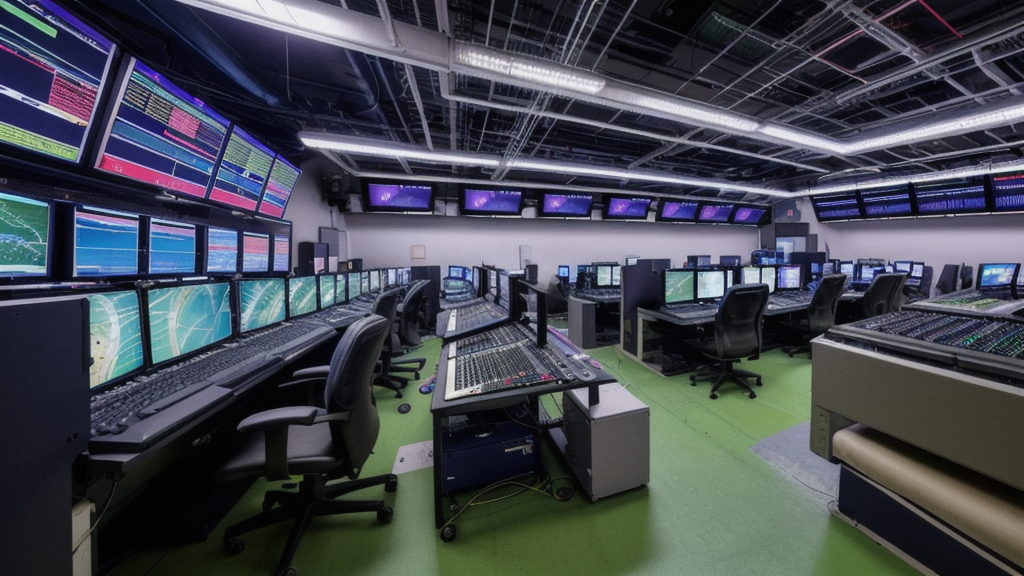
In an era where technology continues to redefine the landscape of media production, hybrid workflows combining remote and on-site elements have emerged as a game-changer in sports broadcasting. These integrated systems not only offer enhanced flexibility but also significantly improve efficiency, allowing broadcasters to deliver high-quality content even under challenging conditions.
The Rise of Hybrid Workflows
Hybrid production workflows are designed to bridge the gap between traditional on-site broadcasts and remote capabilities, leveraging advancements in cloud technology, AI, and automation. This approach enables teams to adapt quickly to changing circumstances, whether it's responding to unexpected events or optimizing resources during peak hours. According to a recent study by the the sports media industry, over 60% of sports media companies plan to invest heavily in hybrid workflows within the next three years.
Key Players Driving the Hybrid Revolution
Several leading technology providers are spearheading this transformation with cutting-edge solutions. Dalet’s Cloud Production Suite, for instance, offers a scalable and flexible platform that supports remote production capabilities while maintaining high-quality standards. "Our solution is designed to empower broadcasters to work seamlessly across locations," says Jean-Michel Brémond, CEO of Dalet. Similarly, Ross Video’s OverDrive system integrates advanced automation tools with cloud-based services, enabling teams to manage complex workflows from anywhere. "The integration of remote and on-site technologies is crucial for staying competitive in today's fast-paced media environment," notes Mark Blythe, Chief Technology Officer at Ross Video.
Benefits and Challenges
Adopting hybrid workflows brings numerous advantages, including improved collaboration, cost savings, and enhanced scalability. Teams can work from multiple locations, reducing travel costs and increasing productivity. However, implementing these systems also poses challenges such as ensuring seamless integration of technologies and maintaining data security across distributed networks. Despite the hurdles, the benefits far outweigh the risks. A survey conducted by Gartner indicates that companies utilizing hybrid production workflows see an average 25% increase in operational efficiency compared to those relying solely on traditional methods. As the industry continues to evolve, it's clear that hybrid workflows will play a pivotal role in shaping the future of sports media.
Conclusion
In conclusion, hybrid production workflows represent a significant leap forward in sports broadcasting, offering unparalleled flexibility and efficiency. By embracing advanced technologies from companies like Dalet and Ross Video, broadcasters can stay ahead of the curve and deliver exceptional content to their audiences.

Remote & Cloud Correspondent · Sports Media Beat
Covering the business of remote & cloud for Sports Media Beat — the intelligence layer for sports media industry professionals tracking rights deals, streaming strategy, and broadcast technology.
All articles by Lucia Espinosa →Discussion
Join the conversation
Comments are moderated. Please keep discussion respectful and on-topic. Flag inappropriate content using the flag icon.
You May Also Like

Revolutionizing Sports Production: How Software-Defined Networking (SDN) Enhances Remote and Cloud Broadcasting
Discover how software-defined networking optimizes bandwidth usage, enhances reliability, and secures remote and cloud sports broadcasting operations.

Revolutionizing Remote Sports Production: How 5G is Transforming Live Broadcasts
Discover how 5G technology is revolutionizing remote sports production, offering unprecedented speed and reliability. Companies like Intel and Ericsson are leading this transformation with innovative solutions.
Revolutionizing Live Sports Coverage: How Remote Commentary and Talent Integration Systems are Transforming the Industry
Discover how advanced technologies are revolutionizing live sports coverage with seamless remote commentary and integrated talent management systems.

