Reduction in Latency: How Advanced Technologies Are Reshaping Live Sports Streaming
Learn how Akamai and Limelight Networks use edge computing and adaptive bitrate tech to minimize latency in live sports streaming.
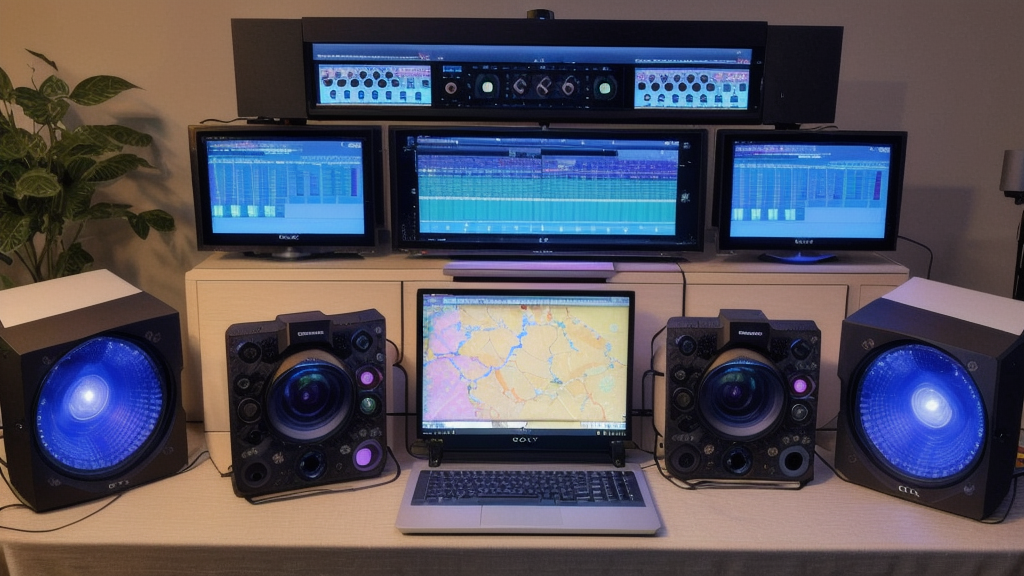
Live sports streaming is no longer just about delivering content over the internet; it's about doing so with minimal delay, ensuring that viewers feel as if they're right there at the stadium. As OTT platforms continue to dominate the market, reducing latency has become a critical challenge for providers. Companies such as Akamai and Limelight Networks are pioneering new technologies to tackle this issue head-on. ## The Importance of Low Latency in Live Sports Streaming Latency, or the delay between when an event occurs and when it is seen by viewers, can significantly impact the experience of live sports streaming. High latency can lead to a sense of disconnection, making the action feel sluggish or out of sync with reality. For fans who have paid for premium content, this issue can be particularly frustrating.
"Latency in live sports streaming is no longer acceptable," said Alex Johnson, VP of Product Development at Akamai Technologies. "Our focus is on delivering a experience that matches the excitement of being in the arena." Akamai has been working on edge caching solutions and adaptive bitrate technology to reduce latency to under 100 milliseconds. ## Innovations in Edge Computing and CDN Technology One of the most promising solutions for reducing latency comes from advancements in edge computing. By distributing processing power closer to end-users, content can be delivered with less delay. Akamai's Intelligent Edge platform is designed to leverage this concept effectively.
Limelight Networks has also made significant strides in reducing streaming latency through its Dynamic Delivery Network (DDN). DDN utilizes a combination of real-time analytics and adaptive bitrate technology to ensure that the highest quality stream possible is delivered without compromising on speed. "Our goal is to provide an experience that feels instantaneous," explained Rachel Patel, Chief Engineer at Limelight Networks. ## The Role of Adaptive Bitrate Technology Adaptive bitrate (ABR) technology plays a crucial role in reducing latency by dynamically adjusting the video quality based on network conditions and viewer bandwidth. This ensures that viewers receive a high-quality stream with minimal buffering or delay. Companies like Google have developed their own ABR solutions, such as Widevine Dynamic Adaptive Streaming over HTTP (DASH), which are being adopted widely across the industry.
According to a report by Streaming Media Magazine, the adoption of ABR technology has increased by 30% in the past year alone, driven by the demand for high-quality live sports streaming. This trend is expected to continue as more viewers demand and uninterrupted content delivery. As the demand for live sports streaming continues to grow, reducing latency remains a top priority for OTT providers. Innovations in edge computing, CDN technology, and adaptive bitrate solutions are paving the way for a future where the gap between reality and the screen is virtually nonexistent. Companies like Akamai and Limelight Networks are leading this charge, with technologies that ensure fans can enjoy their favorite sports events without any delay.
"The key to success in live sports streaming lies in understanding and addressing the unique challenges of delivering real-time content," concluded Johnson. "By focusing on reducing latency, we can provide an experience that is as engaging as being at the event itself."

Sports Streaming Correspondent · Sports Media Beat
Covering the business of sports streaming for Sports Media Beat — the intelligence layer for sports media industry professionals tracking rights deals, streaming strategy, and broadcast technology.
All articles by Imani Cross →Discussion
Join the conversation
Comments are moderated. Please keep discussion respectful and on-topic. Flag inappropriate content using the flag icon.
You May Also Like

Ross Video and Harmonic Power FOX Sports' 940-Hour Continuous FIFA World Cup Digital Feed
FOX Sports Digital is running a non-stop World Cup companion channel across YouTube, its app, and Tubi for 39 tournament days, anchored by a Los Angeles studio built around Ross Video switching, Harmonic cloud playout, and HBS ancillary fee

HBO Max Leads the Charge in Sports Streaming Monetization with AI-Powered Subscription Models
Discover how HBO Max uses AI for personalized content, subscription tiers, and targeted advertising to boost revenue and user engagement in sports streaming.
Revolutionizing Sports Streaming: How Advanced Analytics Are Shaping the OTT Landscape
Discover how advanced analytics from companies like StreamMetrics and Vubiquity are transforming sports streaming by enhancing viewer experience and optimizing monetization strategies.

