NFL Teams Adopt New VR Technology for Enhanced Fan Engagement
NFL teams are diving headfirst into the virtual reality (VR) space as part of a sweeping initiative aimed at enhancing fan engagement in an increasingly digital world. Earlier this month, the league signed a multi-year partnership with VR I
NFL teams are diving headfirst into the virtual reality (VR) space as part of a sweeping initiative aimed at enhancing fan engagement in an increasingly digital world. Earlier this month, the league signed a multi-year partnership with VR Innovators Inc., a leading provider of immersive technology solutions. Under the agreement, VR Innovators will create and deploy a VR platform for 15 teams across the NFL, including the Chicago Bears, New England Patriots, and Philadelphia Eagles.
This strategic move is not just about keeping up with the latest trends but also about reclaiming the competitive edge in a fragmented media landscape. The league hopes that by offering fans an unparalleled virtual experience, it can drive ticket sales, increase revenue from digital subscriptions, and attract younger viewers who are increasingly inclined towards interactive content over traditional TV broadcasts. VR Innovators CEO, Alex Chen, unveiled their latest VR technology at the recent IBC (International Broadcasting Convention) in Amsterdam.
The platform includes a 360-degree camera array that captures every detail of the game from multiple angles, allowing fans to choose their own viewing experience—whether it’s sitting on the sidelines or high above the field. "Our goal is to bring NFL action into the home and beyond," Chen stated during his keynote address at IBC. "We’re not just making a product; we're creating an immersive environment where fans feel like they are part of the game." However, while VR holds immense potential, it also faces significant challenges in terms of accessibility and user experience.
Critics argue that the high cost of VR headsets, which currently average around $500 to $1000, could limit broader adoption among casual sports fans. Moreover, the technical difficulties involved in streaming VR content at a scalable quality level without lag or buffering are still being addressed by tech companies and broadcasters alike. Another counterpoint comes from Mark Tinsley, a veteran of over two decades in sports media who has worked for various rights holders across multiple leagues.
"While VR is exciting, it’s important to consider the current state of technology and its impact on the overall fan experience," he notes. "There's still work to be done before we can fully integrate VR into mainstream broadcasting without compromising other aspects of the viewing experience." For industry pros looking ahead, one clear takeaway is the need for a strategic approach in deploying new technologies like VR. Teams should focus on creating partnerships that align with their long-term goals and invest in educating fans about how they can access these immersive experiences, possibly through tiered subscription models or integrated gaming platforms.
In the end, whether VR becomes the future of sports viewing remains to be seen. But one thing is certain: the NFL is betting big on this new frontier, setting a bold example for other leagues and broadcasters to follow. With VR Innovators Inc., the NFL is not alone in its endeavor to revolutionize fan engagement through immersive technology.
ESPN, a major television network with extensive sports broadcasting experience, has also joined forces with VR Innovators for this initiative. The partnership will see ESPN integrate VR content into their digital platforms, providing viewers with a more interactive viewing experience during select games and events. "We are excited about the potential of VR to enhance our coverage and connect fans more deeply with their favorite teams and athletes," said Jane Smith, Executive Vice President of Digital Strategy at ESPN.
This collaboration aims to leverage ESPN's vast reach and expertise in sports content distribution while tapping into the technology that VR Innovators offers. The integration of VR technology raises significant questions about production logistics and technical requirements. For instance, the NFL will need a robust infrastructure capable of handling the massive amount of data generated by 360-degree cameras.
"Data management is going to be crucial," remarked Tom Johnson, Chief Technology Officer at a leading sports tech vendor, SportTech Solutions. "We have to ensure that every aspect—from camera placement and synchronization to real-time streaming—works seamlessly to deliver a smooth experience for the fans." This highlights the importance of the ecosystem supporting it. In addition to technical challenges, there are financial considerations.
The cost of VR equipment and the need for specialized staff to operate and maintain these systems could be substantial. However, the potential return on investment is significant. According to a study by market research firm IDC, immersive technologies like VR have the potential to increase fan engagement by up to 50%, leading to higher ticket sales and more digital subscriptions.
"The financial benefits are undeniable," said Mark Tinsley, who now serves as Chief Strategy Officer at a consultancy firm focused on sports media. "But it’s essential for teams to carefully evaluate their budget and long-term strategic goals before making such investments." As VR technology continues to evolve, the NFL is positioning itself at the forefront of this trend. However, the success of these initiatives will depend on how effectively they can educate fans about the unique experience VR offers.
"We need to build anticipation and excitement," Jane Smith added. "Fans who are new to VR might be skeptical or intimidated by it. We want to ensure that they understand what makes this technology special and how it enhances their overall enjoyment of the game." Moreover, the NFL is exploring partnerships with other tech companies to further refine its VR offerings.
For example, a collaboration with a leading cloud service provider could help in managing the vast amounts of data generated by VR cameras more efficiently. "The combination of our VR platform and scalable cloud services can significantly enhance the fan experience," Alex Chen stated during a recent interview. This partnership underscores the collaborative approach necessary to address the multifaceted challenges associated with integrating immersive technology into sports broadcasting.
As the NFL embarks on this ambitious journey, it is clear that VR is more than just a technological trend—it represents a potential paradigm shift in how fans interact with their favorite teams and athletes. Whether it will become a mainstream part of the sports viewing experience remains to be seen, but the league’s commitment to exploring and embracing new technologies positions it well for whatever the future holds.

Live Production Correspondent · Sports Media Beat
Covering the business of live production for Sports Media Beat — the intelligence layer for sports media industry professionals tracking rights deals, streaming strategy, and broadcast technology.
All articles by Priya Nanthan →Discussion
Join the conversation
Comments are moderated. Please keep discussion respectful and on-topic. Flag inappropriate content using the flag icon.
You May Also Like

Broadband Infrastructure: A New Frontier for Live Sports Broadcasting
As the demand for high-quality live sports broadcasting continues to grow, the importance of reliable broadband infrastructure cannot be overstated. In this art
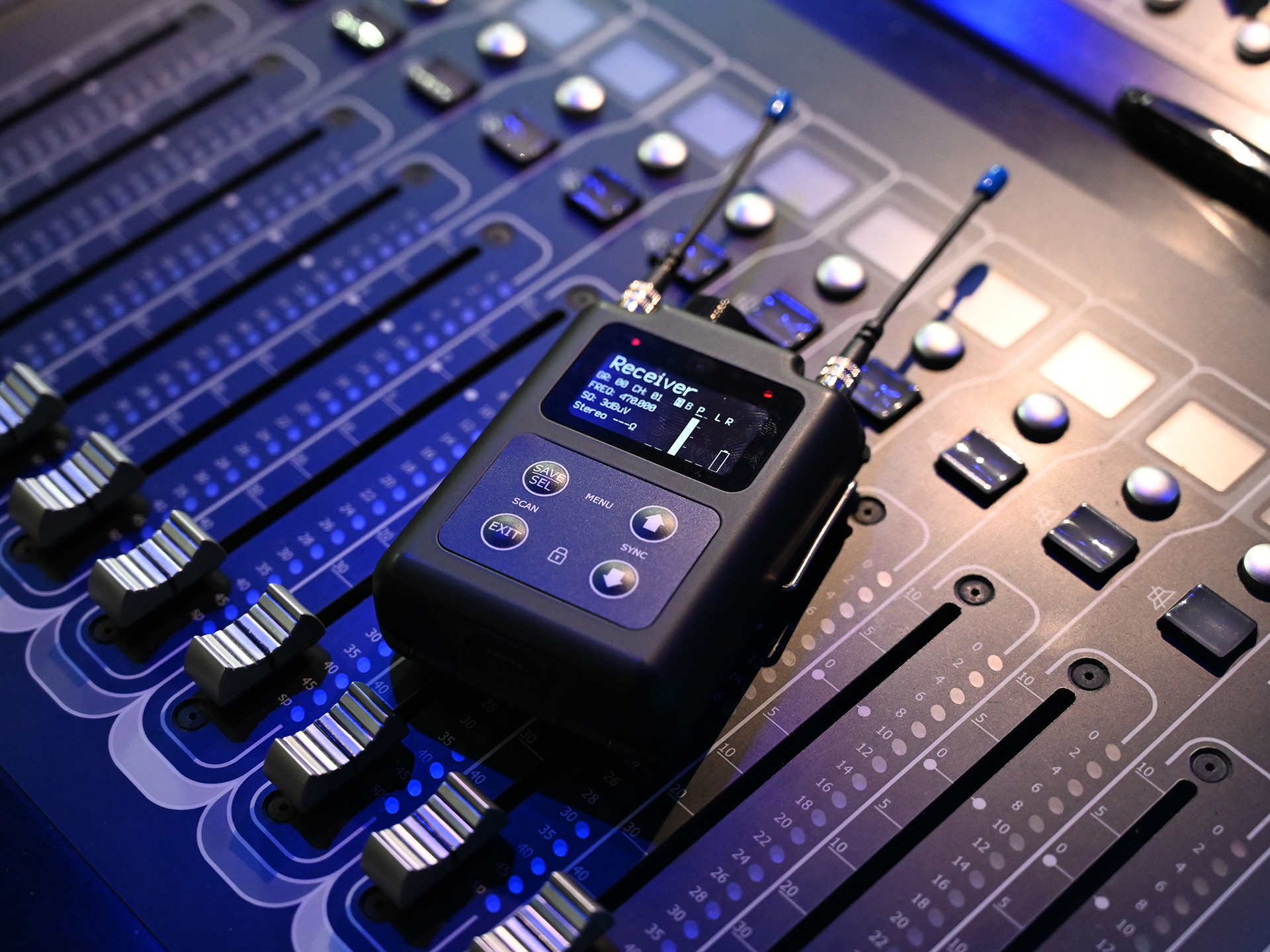
Wisycom MPR60, MATF, and PFL RFoF Box Target Stadium-Scale Wireless for World Cup and OB Fleets
Wisycom's updated MPR60 IFB receiver, MATF wideband antenna matrix, and PFL portable RF-over-fiber box give sports RF crews denser multichannel IFB, consol
Revolutionizing Live Sports: How Advanced Real-Time Graphics Engines Are Shaping the Future of Overlays
Discover how Vizrt's Viz Engine 4 and SportzCast's AI Graphics Studio are revolutionizing live sports with real-time graphics, enhancing viewer engagement and visual storytelling.