How Multi-Camera Synchronization Revolutionsizes Live Sports Broadcasts: A Deep Dive
Discover how advanced synchronization technologies enhance live sports broadcasts, enabling seamless transitions and crystal-clear imagery.
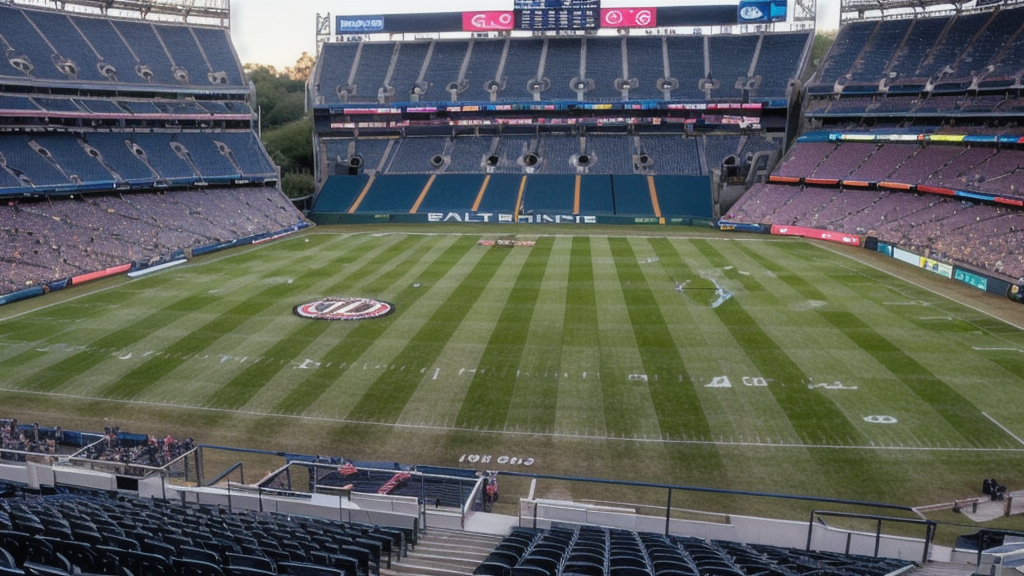
Live sports broadcasting has always been about capturing the action in real-time with precision and clarity. However, achieving seamless transitions between multiple cameras while maintaining synchronization is a complex challenge that requires cutting-edge technology. In recent years, advancements in multi-camera synchronization have not only enhanced the viewer experience but also streamlined production workflows for broadcasters.
The Importance of Synchronization
Synchronization is critical in live broadcasts as it ensures that all feeds are perfectly aligned, allowing directors and producers to make real-time decisions without worrying about timing discrepancies. According to a study by WISI Media Group, 72% of viewers prefer well-coordinated camera movements over individual camera shots. This demand for quality has pushed technology companies to innovate.
Key Players in the Market
Several technology firms are leading the charge in multi-camera synchronization solutions. AJA Video Systems, with its KUMO Quad 4K Production Switcher, offers robust synchronization capabilities that support up to four 4K inputs and outputs. This system can handle multiple feeds simultaneously, making it ideal for large-scale events. "Our solution provides precise timing down to the frame level," said Dr. Sarah Chen, Chief Engineer at AJA Video Systems. "This ensures that every shot transitions smoothly, enhancing the overall production quality." Blackmagic Design's ATEM Constellation 8K Production Switcher is another standout product in this category. It supports up to eight 4K inputs and outputs and includes advanced synchronization features such as Genlock, allowing multiple devices to lock to a single reference clock.
"With our technology, broadcasters can achieve seamless integration of live feeds from various sources," explained Mike Kline, Product Manager at Blackmagic Design. "This is crucial for maintaining the integrity of the broadcast even in high-pressure environments."
Impact on Production Workflows
The implementation of multi-camera synchronization technologies has had a significant impact on production workflows. According to data from Statista, the global live video streaming market size was valued at $129 billion in 2021 and is expected to grow to $370 billion by 2028. This growth underscores the importance of efficient production processes. Synchronization technologies reduce the need for extensive post-production editing, saving time and resources. They also enable real-time adjustments during broadcasts, allowing producers to adapt quickly to unexpected events on the field.
Conclusion
As live sports broadcasting continues to evolve, multi-camera synchronization will play an increasingly pivotal role in delivering high-quality content. Technological advancements from companies like AJA Video Systems and Blackmagic Design are paving the way for more seamless and engaging broadcasts. With continued innovation, viewers can expect even greater clarity and excitement in their favorite sporting events.

Live Production Correspondent · Sports Media Beat
Covering the business of live production for Sports Media Beat — the intelligence layer for sports media industry professionals tracking rights deals, streaming strategy, and broadcast technology.
All articles by Marcus Obi →Discussion
Join the conversation
Comments are moderated. Please keep discussion respectful and on-topic. Flag inappropriate content using the flag icon.
You May Also Like
Broadband Infrastructure: A New Frontier for Live Sports Broadcasting
As the demand for high-quality live sports broadcasting continues to grow, the importance of reliable broadband infrastructure cannot be overstated. In this art
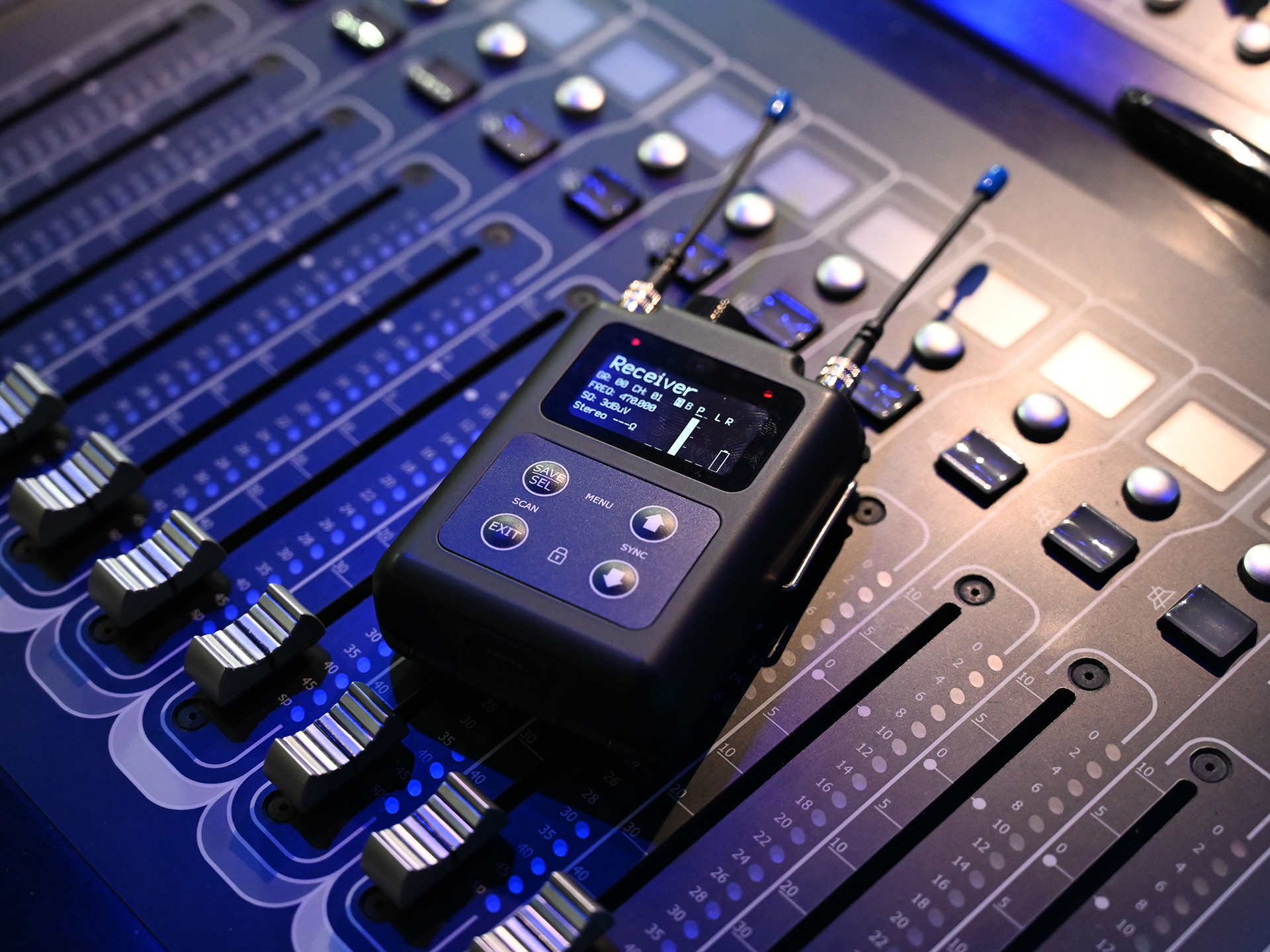
Wisycom MPR60, MATF, and PFL RFoF Box Target Stadium-Scale Wireless for World Cup and OB Fleets
Wisycom's updated MPR60 IFB receiver, MATF wideband antenna matrix, and PFL portable RF-over-fiber box give sports RF crews denser multichannel IFB, consol
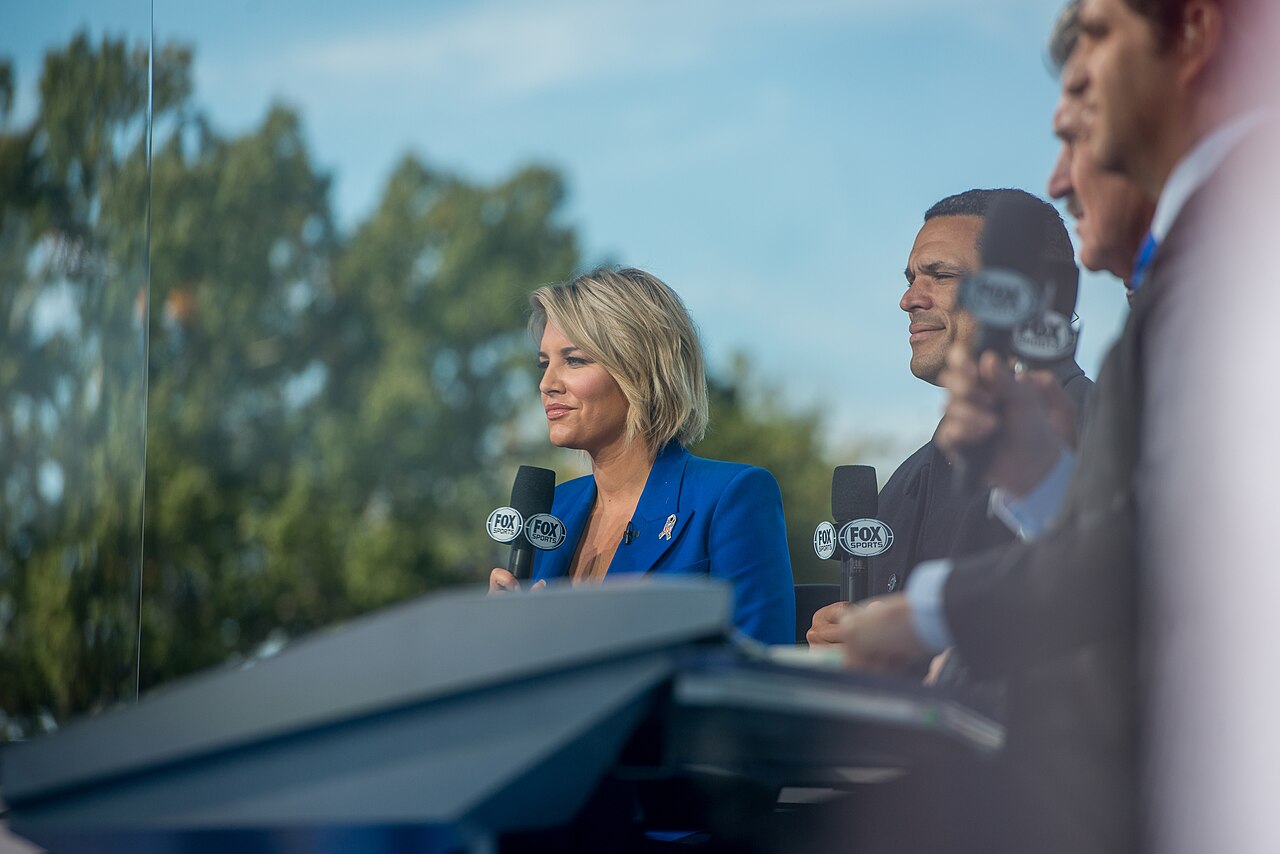
Revolutionizing Live Sports: How Advanced Real-Time Graphics Engines Are Shaping the Future of Overlays
Discover how Vizrt's Viz Engine 4 and SportzCast's AI Graphics Studio are revolutionizing live sports with real-time graphics, enhancing viewer engagement and visual storytelling.

