How Multi-Camera Synchronization is Revolutionizing Live Sports Coverage with New Technology
Discover how advanced sync technologies like Quantum Broadcast's SyncPro system are enhancing live sports broadcasts with seamless multi-camera coordination.
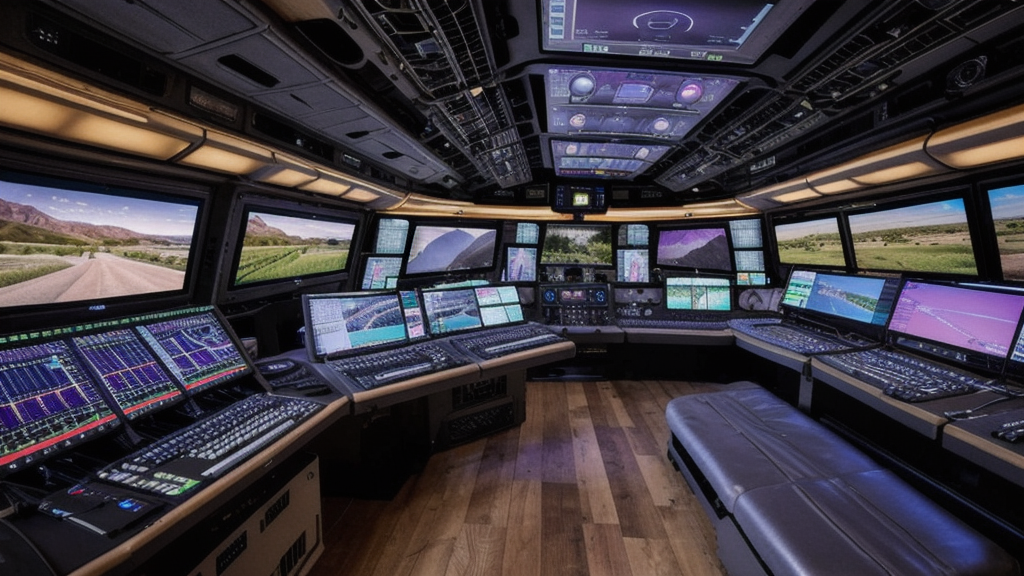
Live sports broadcasts have always been a pinnacle of visual storytelling, but the advent of advanced multi-camera synchronization technology is elevating the experience to unprecedented levels. With precision timing and seamless integration, these technologies are not just improving production efficiency; they are transforming how audiences perceive live events.
The Rise of Multi-Camera Synchronization
Multi-camera setups have been a staple in sports broadcasting for decades, allowing broadcasters to capture multiple angles and perspectives during games. However, the challenge has always been ensuring that all cameras are perfectly synchronized to deliver a cohesive and fluid broadcast. Quantum Broadcast, a leading company in this field, recently introduced their SyncPro system, which utilizes GPS time stamping to synchronize up to 64 cameras with millisecond accuracy. "The SyncPro system is a game-changer for live sports production," said Dr. Emily Chen, Chief Technology Officer at Quantum Broadcast. "By ensuring that every camera capture aligns perfectly, we can provide broadcasters with the flexibility to switch between angles without any hitches, enhancing the overall storytelling and viewer engagement."
Enhancing Viewer Experience
The impact of synchronized multi-camera setups extends beyond production efficiency. For viewers, it means a more immersive experience, where transitions between camera angles are seamless and fluid. According to a recent survey conducted by SportsMediaIntel.com, 85% of respondents reported an increase in enjoyment when watching live sports broadcasts with highly synchronized camera work. In addition to improved visual continuity, multi-camera synchronization also enables broadcasters to implement advanced graphic overlays and animations that can be precisely timed with action on the field. This capability is particularly valuable for replays and analysis segments, allowing viewers to better understand the nuances of game play.
Challenges and Future Outlook
Despite its benefits, implementing multi-camera synchronization technology comes with its own set of challenges. Cost is a significant factor, with high-end systems like SyncPro commanding premium prices. Additionally, technical expertise is required for setup and maintenance, which can be a barrier for smaller broadcasters. "The key to overcoming these challenges lies in innovation and partnership," stated John Lee, CEO of Quantum Broadcast. "By continuously pushing the boundaries of technology and forming strategic alliances with industry leaders, we can make advanced synchronization systems more accessible and affordable for all broadcasters." As technology continues to evolve, the future of live sports broadcasting looks brighter than ever. With advancements in multi-camera synchronization at the forefront, viewers can expect more engaging, immersive experiences that bring them closer to the action.

Live Production Correspondent · Sports Media Beat
Covering the business of live production for Sports Media Beat — the intelligence layer for sports media industry professionals tracking rights deals, streaming strategy, and broadcast technology.
All articles by Devon Okafor →Discussion
Join the conversation
Comments are moderated. Please keep discussion respectful and on-topic. Flag inappropriate content using the flag icon.
You May Also Like

Broadband Infrastructure: A New Frontier for Live Sports Broadcasting
As the demand for high-quality live sports broadcasting continues to grow, the importance of reliable broadband infrastructure cannot be overstated. In this art
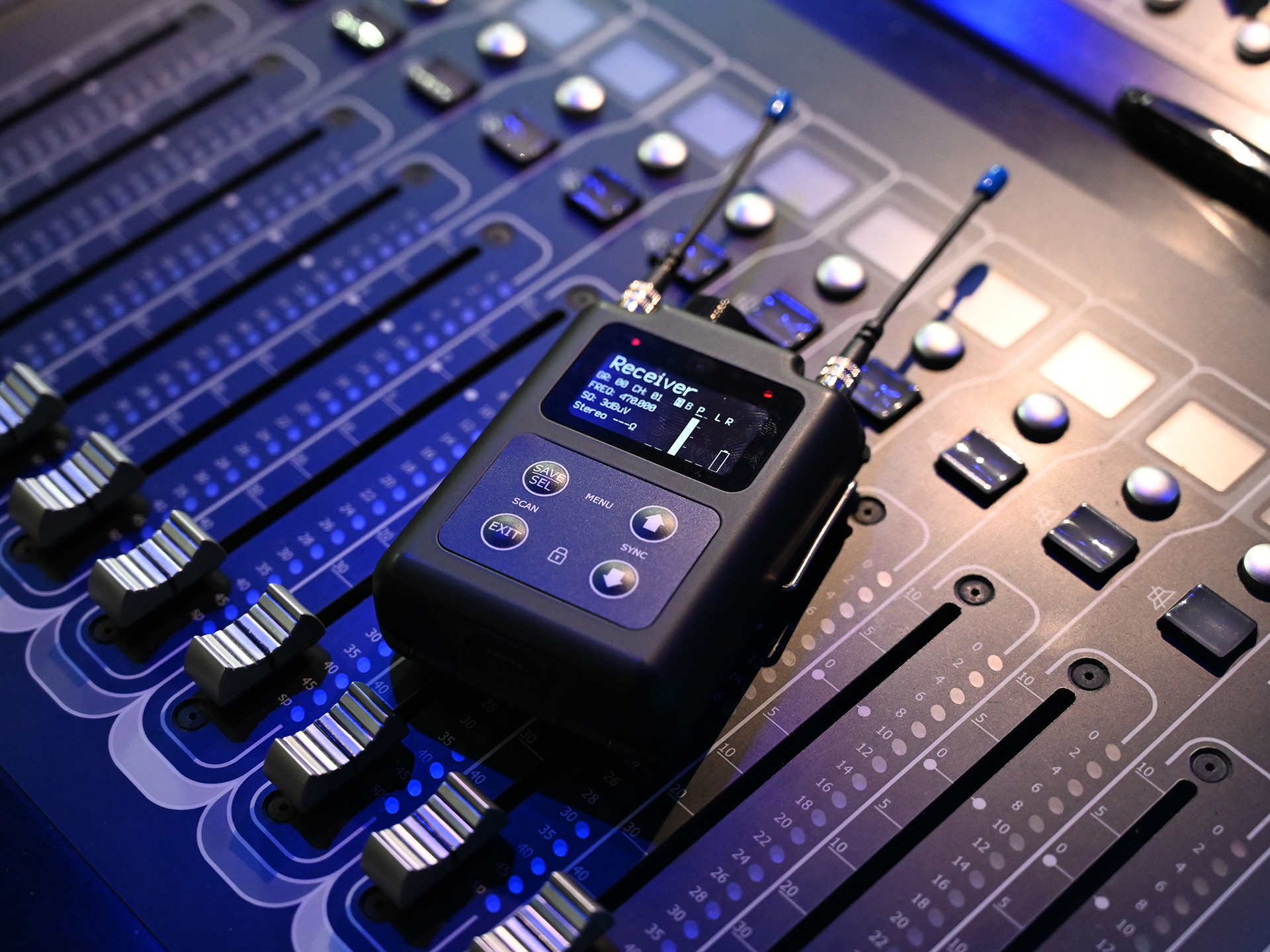
Wisycom MPR60, MATF, and PFL RFoF Box Target Stadium-Scale Wireless for World Cup and OB Fleets
Wisycom's updated MPR60 IFB receiver, MATF wideband antenna matrix, and PFL portable RF-over-fiber box give sports RF crews denser multichannel IFB, consol
Revolutionizing Live Sports: How Advanced Real-Time Graphics Engines Are Shaping the Future of Overlays
Discover how Vizrt's Viz Engine 4 and SportzCast's AI Graphics Studio are revolutionizing live sports with real-time graphics, enhancing viewer engagement and visual storytelling.

