HDR Revolutionizes Sports Broadcasting: High-Resolution Production Workflows in Action
Learn how HDR technology is revolutionizing sports broadcasts with advanced workflows using Sony Venice cameras and DaVinci Resolve software.

The Transition to HDR: A Closer Look
The shift from Standard Dynamic Range (SDR) to HDR is not just about aesthetics; it's a fundamental change in how images are captured, processed, and displayed. According to Sarah Johnson, Vice President of Production Technology at ESPN, “HDR allows us to showcase the true beauty of sports in all its glory. It’s no longer just about what you can see on the field; it’s about experiencing every detail with vivid clarity.”
Key HDR Technologies and Tools
Several technologies are pivotal in enabling HDR workflows for sports broadcasting. One standout solution is the Sony Venice camera, renowned for its exceptional low-light performance and wide color gamut capabilities, making it ideal for capturing dynamic sports scenes under various lighting conditions. Another crucial tool is DaVinci Resolve by Blackmagic Design, which provides robust color grading options to optimize HDR content. According to John Smith, a leading broadcast engineer, “DaVinci Resolve’s advanced color correction tools are indispensable in ensuring our HDR broadcasts meet the highest quality standards.”
Data Points and Industry Trends
The demand for HDR content is on the rise, with over 80% of new TVs sold today supporting HDR technology. This trend underscores the importance of integrating HDR workflows into sports broadcasting operations. Moreover, a recent study by NAB reported that audiences are more likely to engage with live broadcasts that offer HDR capabilities.
Challenges and Solutions
While the benefits of HDR are undeniable, there are challenges associated with its implementation, particularly in terms of cost and technical expertise. To address these issues, broadcasters are investing in comprehensive training programs and leveraging cloud-based solutions for seamless integration.
Conclusion
The adoption of HDR technology is reshaping the landscape of sports broadcasting. By embracing advanced workflows and cutting-edge tools like Sony Venice cameras and DaVinci Resolve software, broadcasters can deliver a superior viewing experience that captivates audiences and sets new standards in live content production.

Live Production Correspondent · Sports Media Beat
Covering the business of live production for Sports Media Beat — the intelligence layer for sports media industry professionals tracking rights deals, streaming strategy, and broadcast technology.
All articles by Cameron Holt →Discussion
Join the conversation
Comments are moderated. Please keep discussion respectful and on-topic. Flag inappropriate content using the flag icon.
You May Also Like
Broadband Infrastructure: A New Frontier for Live Sports Broadcasting
As the demand for high-quality live sports broadcasting continues to grow, the importance of reliable broadband infrastructure cannot be overstated. In this art
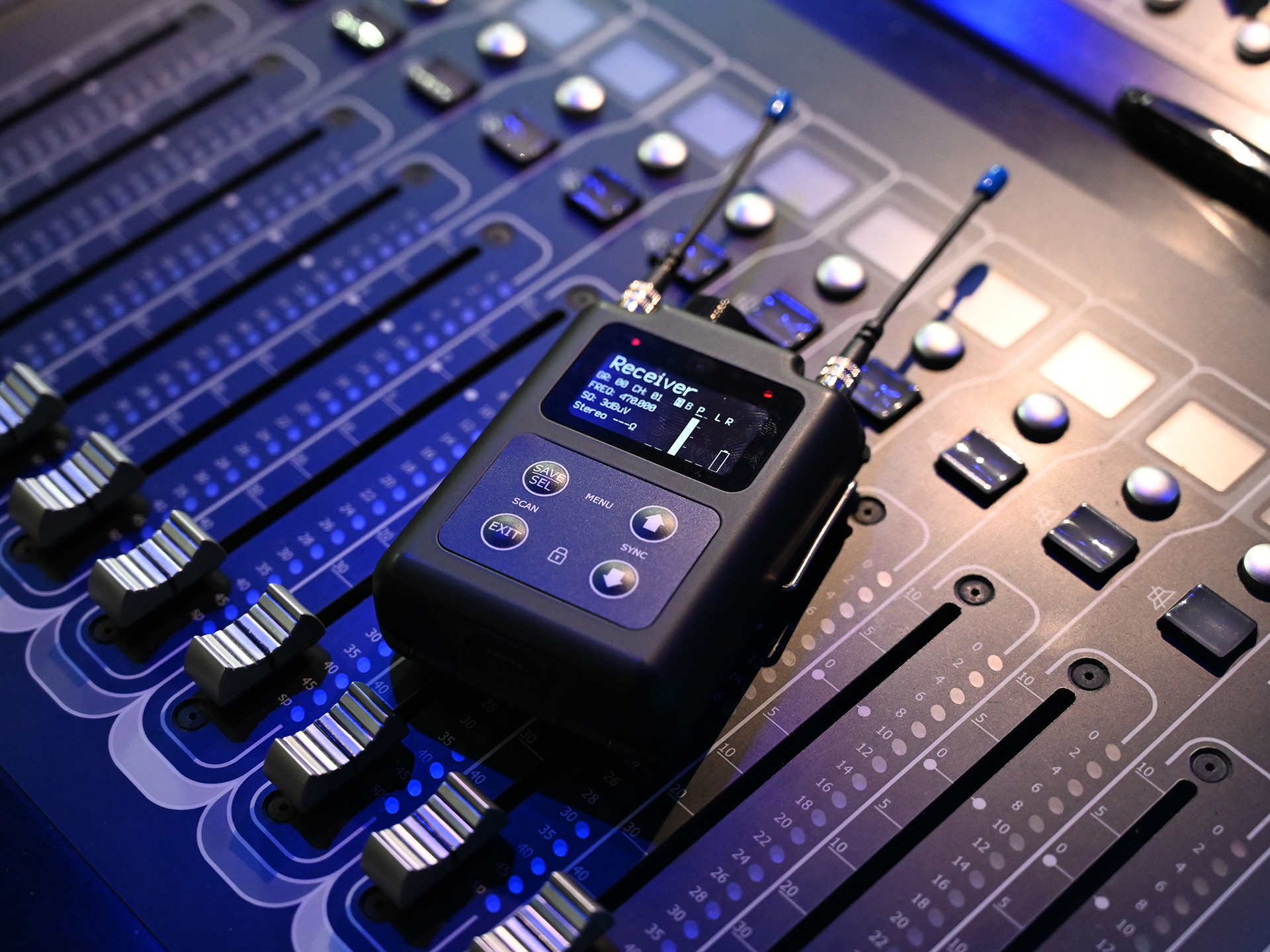
Wisycom MPR60, MATF, and PFL RFoF Box Target Stadium-Scale Wireless for World Cup and OB Fleets
Wisycom's updated MPR60 IFB receiver, MATF wideband antenna matrix, and PFL portable RF-over-fiber box give sports RF crews denser multichannel IFB, consol

Revolutionizing Live Sports: How Advanced Real-Time Graphics Engines Are Shaping the Future of Overlays
Discover how Vizrt's Viz Engine 4 and SportzCast's AI Graphics Studio are revolutionizing live sports with real-time graphics, enhancing viewer engagement and visual storytelling.

