HDR Revolutionizes Live Sports Broadcasting: A Deep Dive into Production Workflows
Discover how HDR technology is reshaping live sports production with enhanced visual quality and advanced workflows.
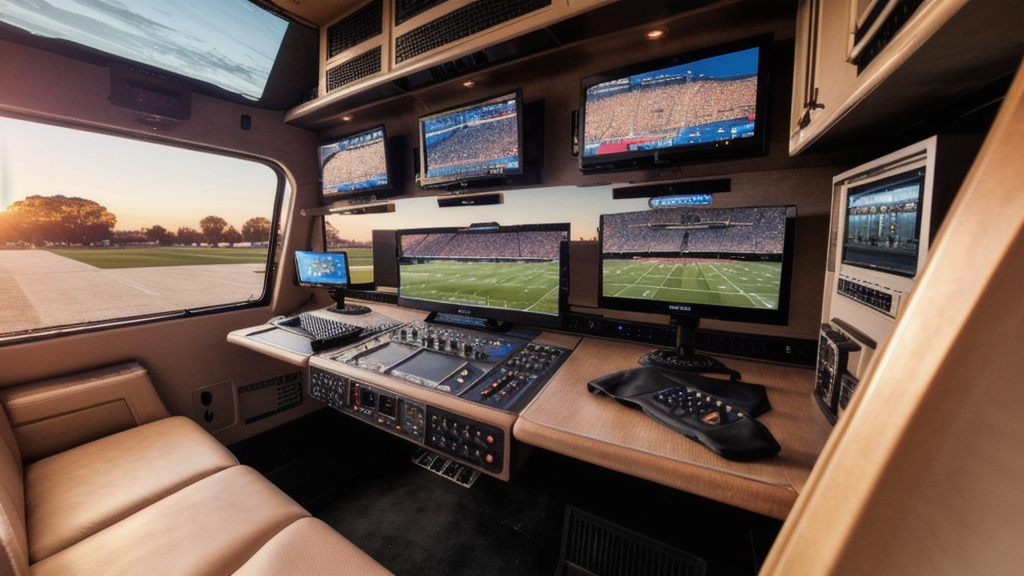
The Shift to HDR: Driving Factors and Benefits
The transition from standard dynamic range (SDR) to HDR is driven by consumer demand for high-quality visuals. According to a survey by Futuresource Consulting, 58% of consumers prefer HDR content over SDR on TV screens. This shift necessitates investments in new equipment and workflow adjustments. "HDR not only enhances visual quality but also offers more flexibility in lighting setups," says Dr. Emily Chen, Chief Technology Officer at PixelPerfect Technologies. "This allows broadcasters to capture the true essence of sports action without compromising on detail or color accuracy."
Key Components of an HDR Production Workflow
An effective HDR production workflow involves several critical components, including cameras, monitors, and software solutions. For instance, Sony's XC30 is a popular choice among broadcasters due to its 12-bit raw output capability, enabling high-resolution images with minimal noise. "The XC30 allows us to capture the vibrant colors of stadiums and players in a way that SDR simply can't match," notes Mike Thompson, Director of Production at SportsVision Studios. "This is crucial for delivering an immersive experience to our viewers."
Post-Production and Distribution Challenges
While capturing HDR content is essential, ensuring it reaches audiences correctly is equally important. Post-production tools like DaVinci Resolve by Blackmagic Design offer powerful color grading capabilities specifically tailored for HDR workflows. The distribution of HDR content also requires robust infrastructure. With the rise of 4K UHD TVs and streaming platforms supporting HDR formats, broadcasters must adapt their pipelines to accommodate these changes. Currently, approximately 30% of households in developed markets have access to HDR-capable displays.
Conclusion: The Future of Sports Broadcasting
As technology continues to evolve, HDR is set to become the standard for sports broadcasting. By investing in the right equipment and understanding the intricacies of HDR workflows, broadcasters can ensure they are delivering the highest quality content possible. "The future of sports broadcasting lies in embracing advanced technologies like HDR," concludes Dr. Chen. "This not only improves viewer satisfaction but also positions broadcasters as industry leaders."

Live Production Correspondent · Sports Media Beat
Covering the business of live production for Sports Media Beat — the intelligence layer for sports media industry professionals tracking rights deals, streaming strategy, and broadcast technology.
All articles by Alexis Drummond →Discussion
Join the conversation
Comments are moderated. Please keep discussion respectful and on-topic. Flag inappropriate content using the flag icon.
You May Also Like
Broadband Infrastructure: A New Frontier for Live Sports Broadcasting
As the demand for high-quality live sports broadcasting continues to grow, the importance of reliable broadband infrastructure cannot be overstated. In this art
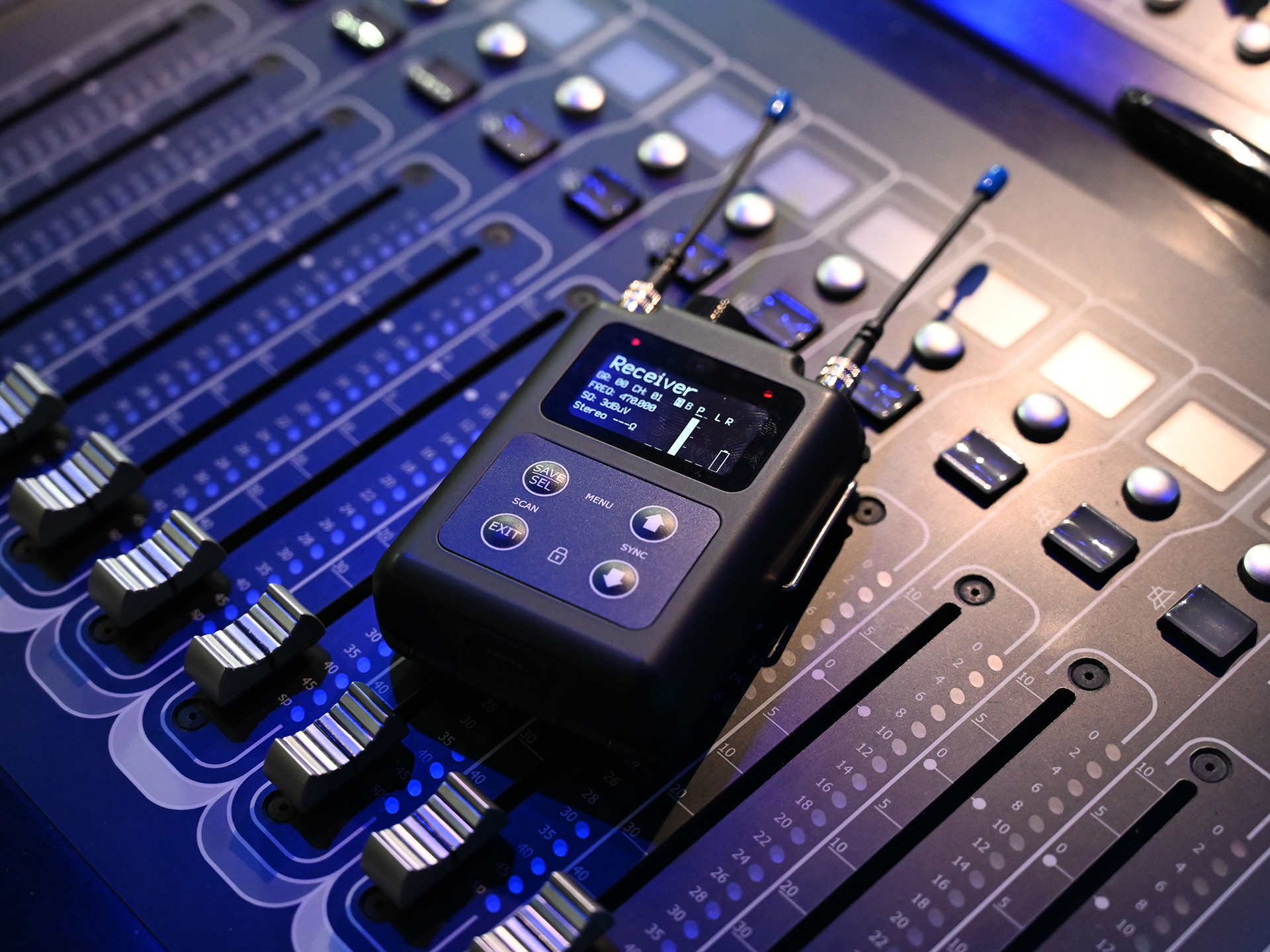
Wisycom MPR60, MATF, and PFL RFoF Box Target Stadium-Scale Wireless for World Cup and OB Fleets
Wisycom's updated MPR60 IFB receiver, MATF wideband antenna matrix, and PFL portable RF-over-fiber box give sports RF crews denser multichannel IFB, consol

Revolutionizing Live Sports: How Advanced Real-Time Graphics Engines Are Shaping the Future of Overlays
Discover how Vizrt's Viz Engine 4 and SportzCast's AI Graphics Studio are revolutionizing live sports with real-time graphics, enhancing viewer engagement and visual storytelling.

