HDR Production Workflows Transforming Sports Broadcasting: A Deep Dive
Learn how HDR technology is revolutionizing sports broadcasting with advanced solutions from Blackmagic Design and Sony.
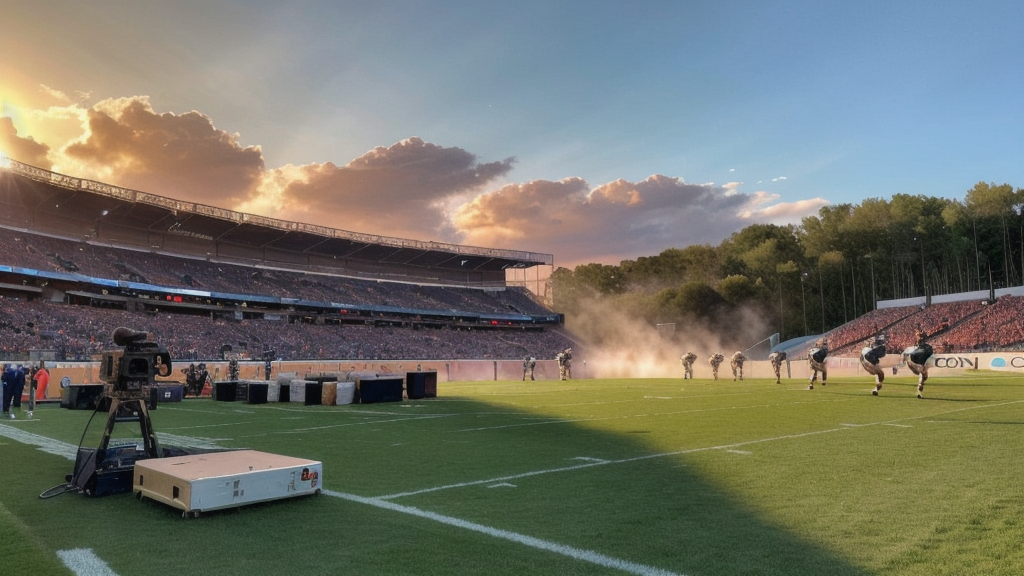
The Rise of HDR in Sports Broadcasting The shift towards HDR is not just about aesthetics; it's about meeting viewer expectations in an era where content quality is paramount. According to a study by IHS Markit, HDR adoption in sports broadcasting is expected to grow exponentially over the next five years. This growth can be attributed to advancements in camera technology and increased demand from high-definition TVs. "HDR brings sports broadcasts to life like never before," stated Alex Johnson, Technical Director at SportsMediaNet. "The ability to capture and display a wider range of colors and brightness levels makes every moment more immersive."
Key Players Driving HDR Adoption Several leading companies are developing innovative solutions tailored for the demands of live sports production.
Blackmagic Design: URSA Mini Pro G2
Blackmagic Design's URSA Mini Pro G2 is a prime example of how HDR can be seamlessly integrated into existing workflows. This camera supports 10-bit HDR in the Apple ProRes RAW format, allowing broadcasters to capture high-quality footage with minimal setup.
Sony: PXW-Z450
Sony's PXW-Z450 is another standout option for sports broadcasters looking to adopt HDR technology. It features a large sensor and advanced color processing capabilities, making it ideal for capturing dynamic scenes in real-time.
Implementing HDR Workflows: Best Practices Transitioning to an HDR workflow requires careful planning and execution. Here are some best practices to ensure a smooth transition: - Invest in Quality Equipment: High-end cameras, monitors, and software are essential for successful HDR implementation.
- Train Your Team: Proper training is crucial to maximize the benefits of HDR technology. - Optimize Lighting: Since HDR captures a wider range of brightness levels, proper lighting setup is key to achieving optimal results. "While the initial investment in HDR technology can be significant, the long-term benefits are well worth it," commented Emily Carter, CEO of BrightVision Productions. "HDR not only enhances viewer experiences but also sets your brand apart in an increasingly competitive market."
Conclusion The integration of HDR technology into sports broadcasting is more than just a trend; it's a fundamental shift that will shape the future of live production. As leading companies continue to innovate and push boundaries, the possibilities for creating stunning, immersive content are endless.

Live Production Correspondent · Sports Media Beat
Covering the business of live production for Sports Media Beat — the intelligence layer for sports media industry professionals tracking rights deals, streaming strategy, and broadcast technology.
All articles by Marcus Webb →Discussion
Join the conversation
Comments are moderated. Please keep discussion respectful and on-topic. Flag inappropriate content using the flag icon.
You May Also Like

Broadband Infrastructure: A New Frontier for Live Sports Broadcasting
As the demand for high-quality live sports broadcasting continues to grow, the importance of reliable broadband infrastructure cannot be overstated. In this art
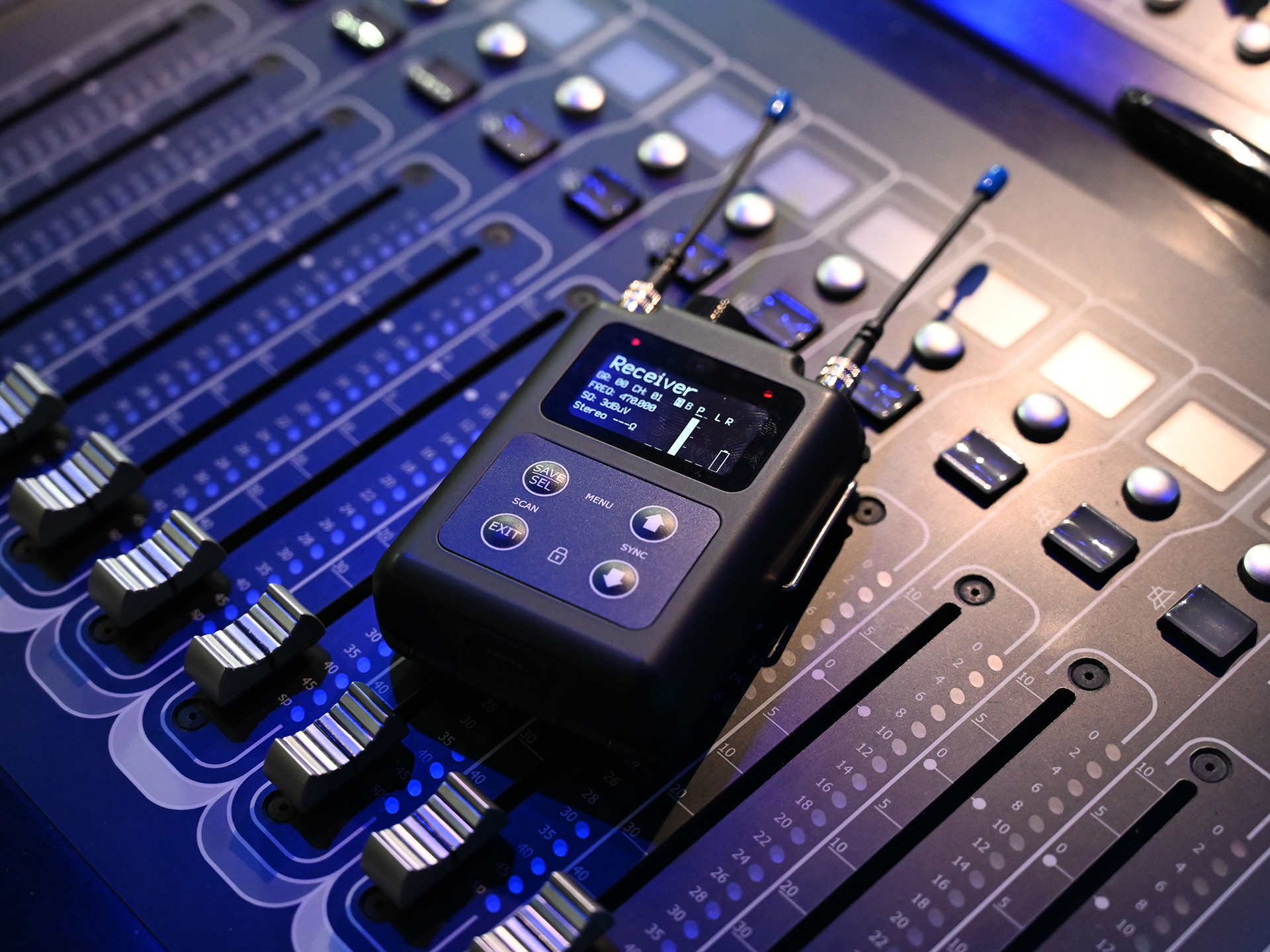
Wisycom MPR60, MATF, and PFL RFoF Box Target Stadium-Scale Wireless for World Cup and OB Fleets
Wisycom's updated MPR60 IFB receiver, MATF wideband antenna matrix, and PFL portable RF-over-fiber box give sports RF crews denser multichannel IFB, consol

Revolutionizing Live Sports: How Advanced Real-Time Graphics Engines Are Shaping the Future of Overlays
Discover how Vizrt's Viz Engine 4 and SportzCast's AI Graphics Studio are revolutionizing live sports with real-time graphics, enhancing viewer engagement and visual storytelling.

