HDR Production Workflows Transform Live Sports Broadcasts: A Deep Dive
Discover how HDR technology is transforming live sports broadcasts with advanced workflows, enhancing visual quality and fan engagement.
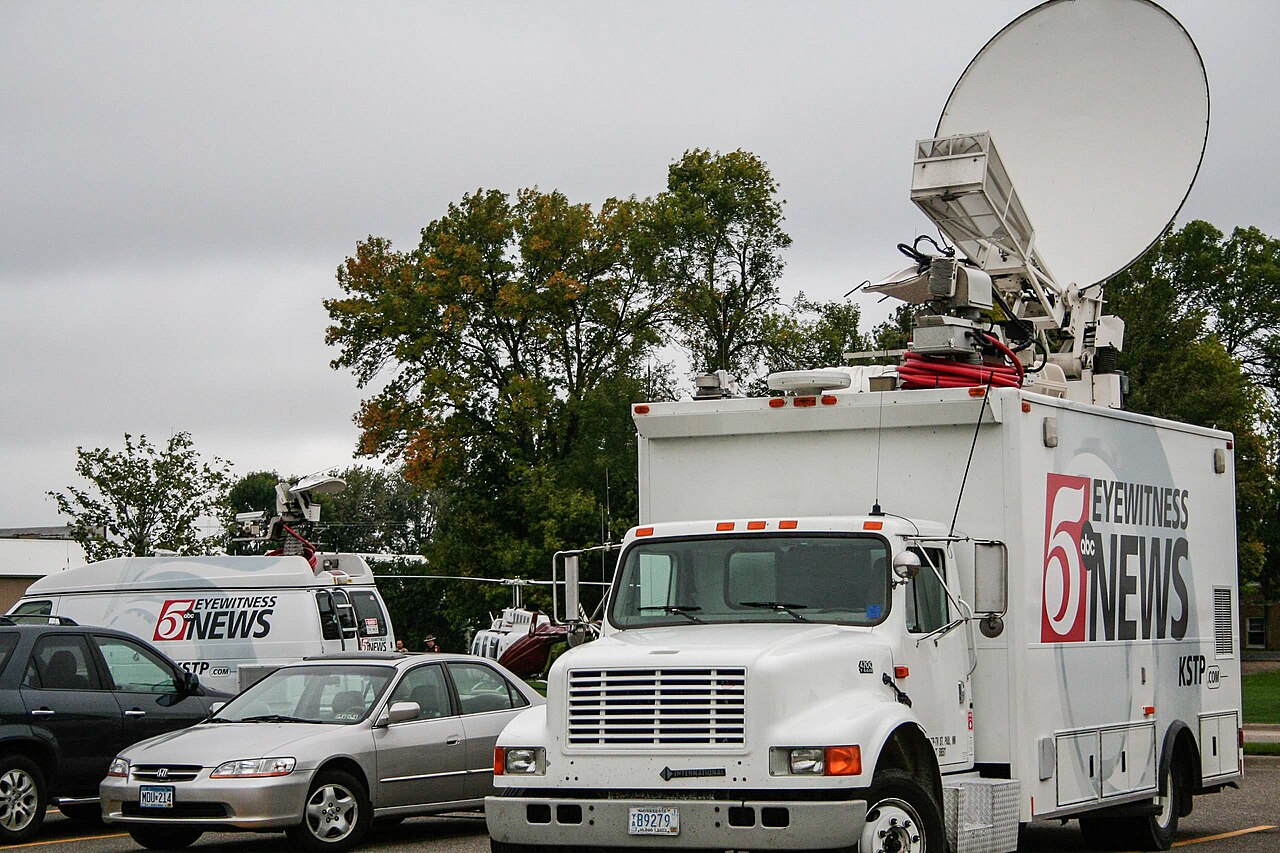
The Evolution of Sports Broadcasting with HDR The shift towards HDR is not just about better visuals; it’s a comprehensive transformation in how content is captured, processed, and distributed. According to a recent survey by Deloitte, 85% of consumers prefer HD or UHD content when available, and HDR enhances this experience significantly. "HDR is no longer an option but a necessity for broadcasters aiming to stay competitive," says Sarah Chen, VP of Production at Broadcast Solutions Inc. "Our clients are seeing substantial improvements in viewer satisfaction and engagement metrics since adopting our HDR workflows." These workflows involve advanced camera technology like the Sony F65, which captures rich detail in shadows and highlights, ensuring every moment is vividly displayed.
Key Components of HDR Workflows HDR workflows integrate high-end cameras, robust software solutions, and state-of-the-art color grading techniques. For instance, Avid's Symphony Pro systems offer seamless editing capabilities tailored for HDR content, while Panasonic's Varicam LT supports 10-bit recording essential for maintaining image quality throughout the production process. "Our HDR workflow ensures that every detail is captured in its truest form," explains John Miller, Technical Director at ColorGrading Studios. "We use DaVinci Resolve for precise color grading, which aligns perfectly with our live broadcast requirements." This meticulous approach to post-production guarantees that HDR content maintains its integrity when transmitted to viewers’ screens.
The Future of Live Sports Broadcasting As the technology matures, we can expect further integration of AI and machine learning into HDR workflows. These advancements promise to automate certain processes, freeing up creatives to focus on storytelling and enhancing fan experiences. The transition to HDR is more than just an upgrade in technology; it's a step towards elevating sports broadcasting to new heights. With leading manufacturers like Sony, Panasonic, and Avid at the forefront of innovation, the future looks brighter and more engaging for viewers worldwide.

Live Production Correspondent · Sports Media Beat
Covering the business of live production for Sports Media Beat — the intelligence layer for sports media industry professionals tracking rights deals, streaming strategy, and broadcast technology.
All articles by Reina Voss →Discussion
Join the conversation
Comments are moderated. Please keep discussion respectful and on-topic. Flag inappropriate content using the flag icon.
You May Also Like
Broadband Infrastructure: A New Frontier for Live Sports Broadcasting
As the demand for high-quality live sports broadcasting continues to grow, the importance of reliable broadband infrastructure cannot be overstated. In this art
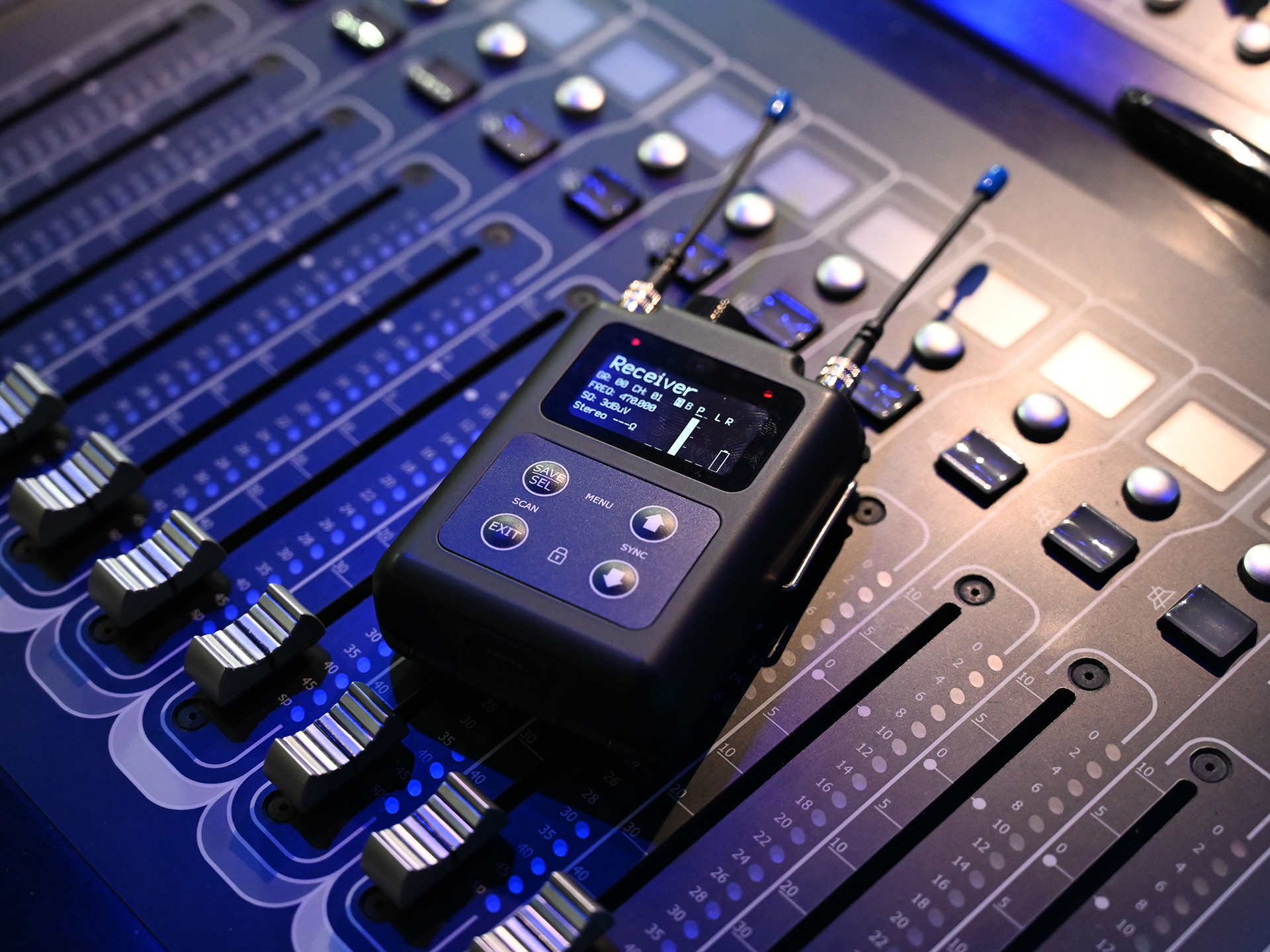
Wisycom MPR60, MATF, and PFL RFoF Box Target Stadium-Scale Wireless for World Cup and OB Fleets
Wisycom's updated MPR60 IFB receiver, MATF wideband antenna matrix, and PFL portable RF-over-fiber box give sports RF crews denser multichannel IFB, consol

Revolutionizing Live Sports: How Advanced Real-Time Graphics Engines Are Shaping the Future of Overlays
Discover how Vizrt's Viz Engine 4 and SportzCast's AI Graphics Studio are revolutionizing live sports with real-time graphics, enhancing viewer engagement and visual storytelling.

