HDR Production Workflows Transform Live Sports Broadcasting: How Broadcasters Are Embracing High Dynamic Range for Enhanced Viewer Experiences
Discover how HDR is transforming live sports broadcasts with advanced cameras, editing software, and distribution platforms for stunning visual experiences.

The Rise of HDR: Driving Visual Excellence According to a recent survey by IHS Markit, the global HDR market is expected to reach $6.5 billion by 2024, with sports broadcasting playing a significant role in this growth. HDR technology enables the display of a wider range of brightness and colors, making images pop off screens with unprecedented detail. "HDR allows us to capture and deliver content with much greater contrast and color depth," says Emily Chen, Chief Technology Officer at SportsVision Inc. "This means viewers can experience every nuance of a game in stunning clarity, whether it's the subtle shadows on an athlete's face or the brilliance of a stadium spotlight."
Advanced HDR Solutions for Live Production Several companies are leading the charge in providing HDR solutions tailored for live sports broadcasting. Sony’s HDC-4300 HDR camera offers exceptional dynamic range and low-light performance, making it ideal for capturing fast-paced action scenes. Meanwhile, Grass Valley's K2 Broadcaster platform supports 12-bit color workflows, ensuring smooth transitions and rich color grading capabilities. "Our K2 Broadcaster is designed to handle the high demands of live sports broadcasting," notes Mark Thompson, Product Manager at Grass Valley. "With its ability to process HDR signals in real-time, broadcasters can maintain the highest standards of quality without compromising on performance."
The Impact of HDR on Production Pipelines Integrating HDR into production workflows involves more than just upgrading cameras and monitors. It requires a comprehensive approach that includes content creation, processing, and distribution across multiple platforms. For example, a typical workflow might involve shooting in HDR using Sony's HDC-4300, editing with DaVinci Resolve by Blackmagic Design, and then delivering via UHD Blu-ray or streaming services like Amazon Prime Video, which support HDR. This end-to-end approach ensures that every aspect of the production process is optimized for HDR.
Conclusion: The Future of Sports Broadcasting The adoption of HDR in sports broadcasting represents a significant step forward in visual technology and viewer experience. As more broadcasters invest in HDR-capable equipment and workflows, we can expect to see even greater levels of detail and color fidelity in our favorite sporting events. "HDR is not just about making things look better; it's about telling stories with richer visuals," Chen concludes. "For sports broadcasting, this means creating an emotional connection with viewers that goes beyond traditional broadcast formats." As the technology continues to mature and more consumers gain access to HDR-capable devices, the future of live sports broadcasting looks brighter than ever.

Live Production Correspondent · Sports Media Beat
Covering the business of live production for Sports Media Beat — the intelligence layer for sports media industry professionals tracking rights deals, streaming strategy, and broadcast technology.
All articles by Sloane Mercer →Discussion
Join the conversation
Comments are moderated. Please keep discussion respectful and on-topic. Flag inappropriate content using the flag icon.
You May Also Like
Broadband Infrastructure: A New Frontier for Live Sports Broadcasting
As the demand for high-quality live sports broadcasting continues to grow, the importance of reliable broadband infrastructure cannot be overstated. In this art
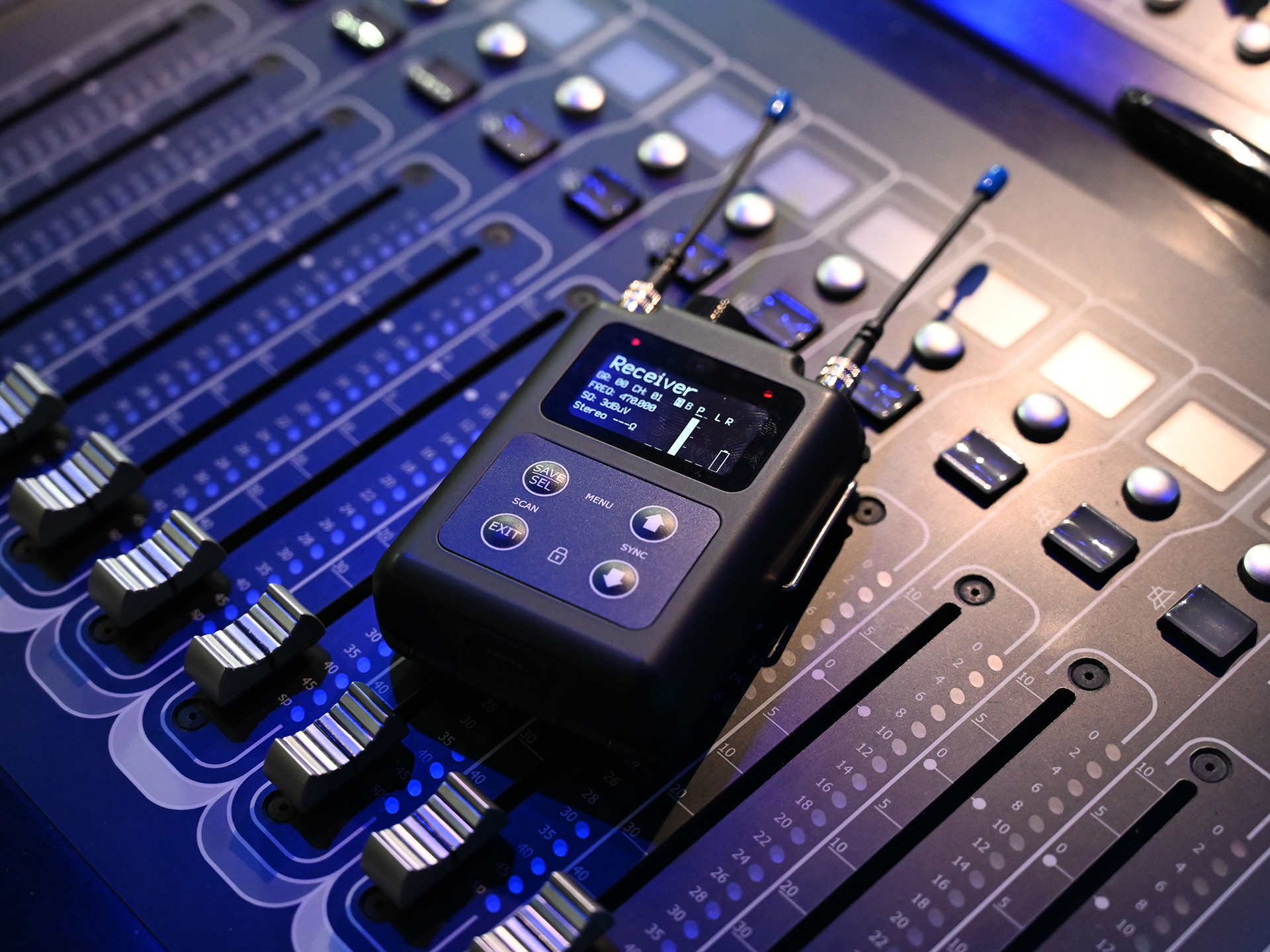
Wisycom MPR60, MATF, and PFL RFoF Box Target Stadium-Scale Wireless for World Cup and OB Fleets
Wisycom's updated MPR60 IFB receiver, MATF wideband antenna matrix, and PFL portable RF-over-fiber box give sports RF crews denser multichannel IFB, consol
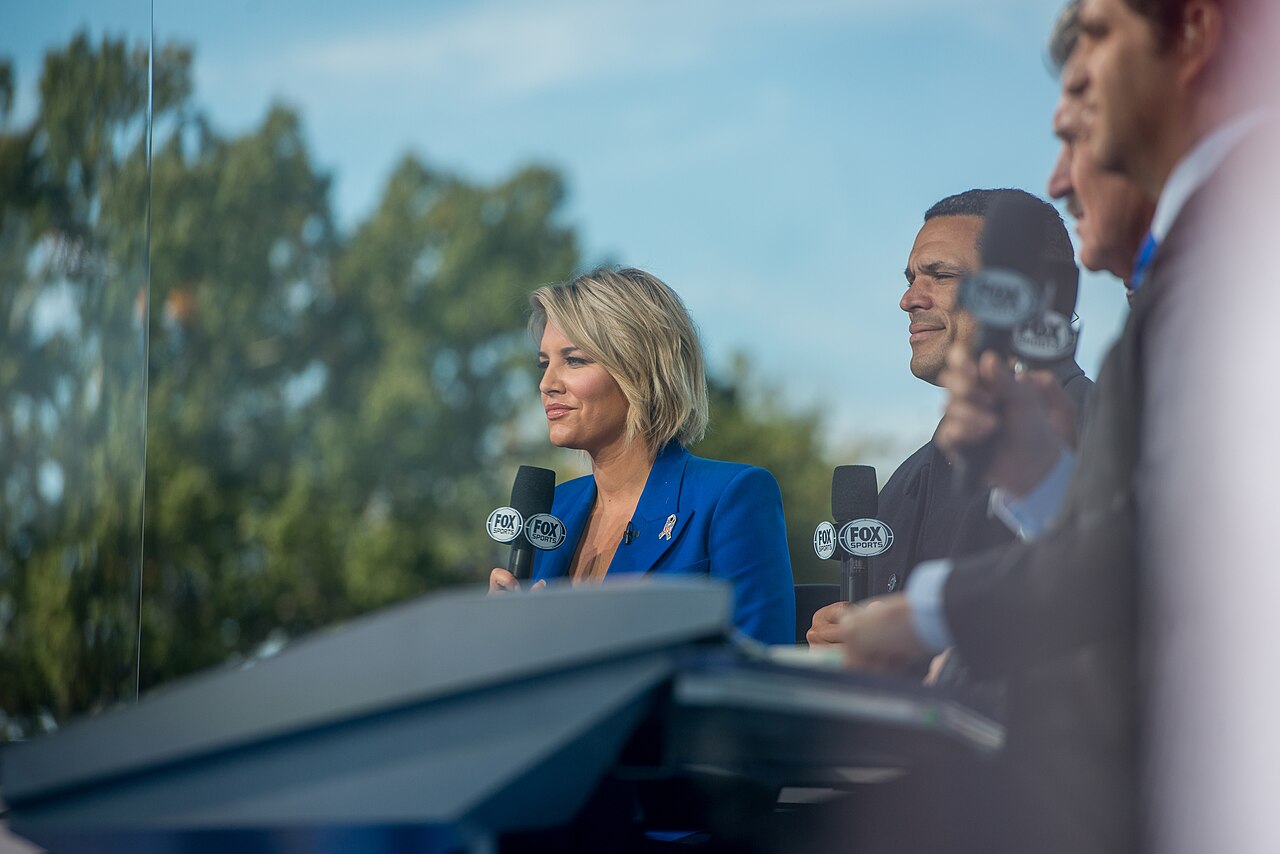
Revolutionizing Live Sports: How Advanced Real-Time Graphics Engines Are Shaping the Future of Overlays
Discover how Vizrt's Viz Engine 4 and SportzCast's AI Graphics Studio are revolutionizing live sports with real-time graphics, enhancing viewer engagement and visual storytelling.

