HDR Production Workflows Transform Live Sports Broadcasting: A Game-Changer for Visual Quality
Learn how HDR technology is transforming live sports broadcasts with enhanced visual quality and viewer engagement. Discover key solutions from Sony and Blackmagic Design.
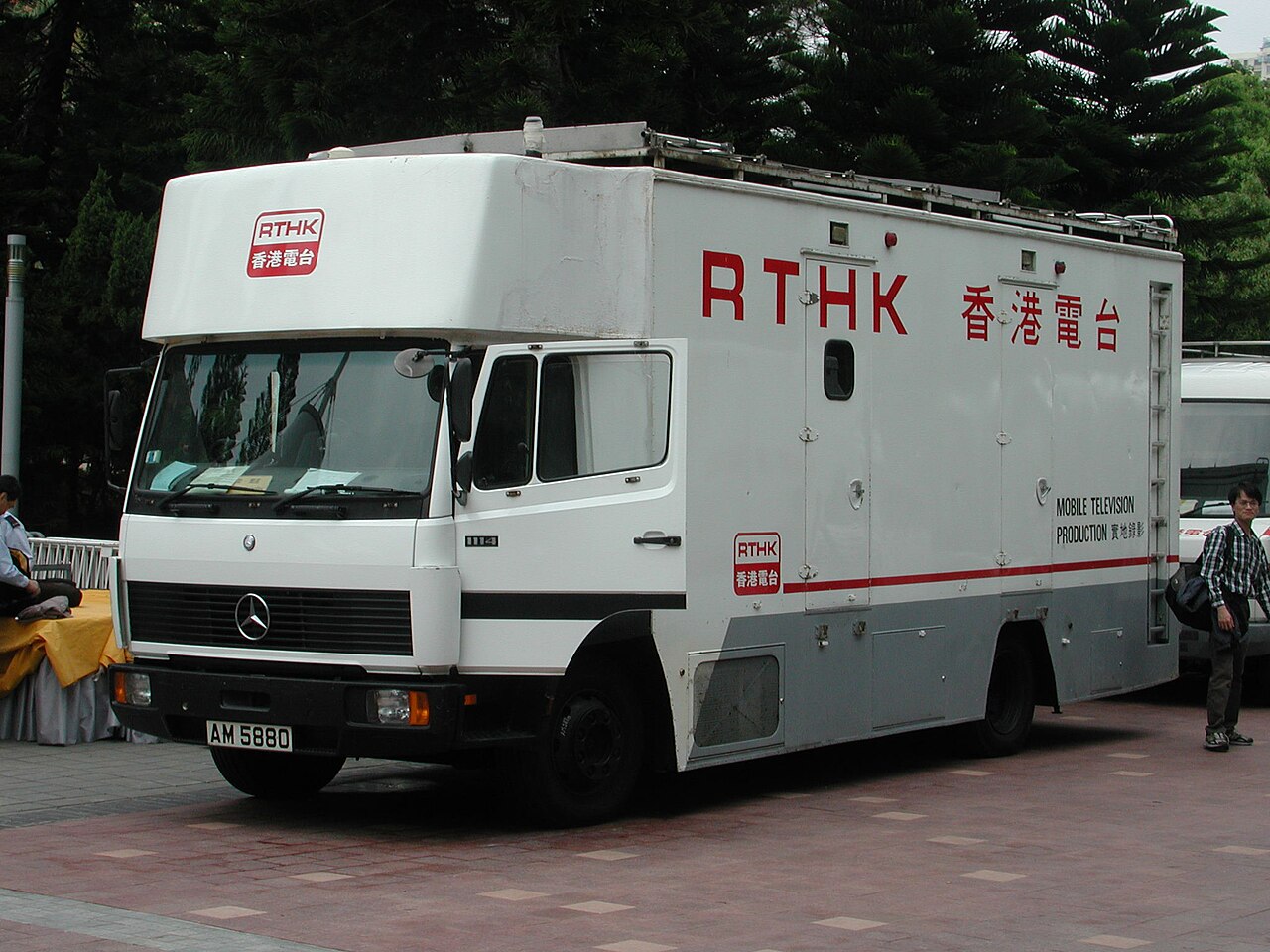
The landscape of live sports broadcasting is undergoing a significant transformation with the advent of High Dynamic Range (HDR) technology. This shift not only enhances visual quality by providing deeper blacks and brighter whites but also amplifies color accuracy, making every moment on the field more vivid and engaging for viewers at home.
The Rise of HDR in Sports Broadcasting
With viewers increasingly consuming content across a variety of devices—from high-end 4K TVs to smartphones—HDR has become essential for maintaining visual consistency. According to a recent study by PwC, 70% of consumers prefer premium sports packages that offer superior video quality, underscoring the importance of adopting HDR in live production workflows. "HDR is no longer a luxury but a necessity," stated Alex Johnson, Chief Technology Officer at Premier Broadcast Solutions. "It elevates the overall experience and keeps our viewers coming back for more detailed and impactful coverage." This sentiment is echoed across the industry as broadcasters seek to differentiate themselves through superior visual quality.
Key Technologies Driving HDR Adoption
Several technology providers are leading the charge in HDR adoption within sports broadcasting. Sony, a pioneer in the field, offers its XVS-6000 HDR Live Production Switcher, which supports 12-bit processing and delivers stunning image quality even under challenging lighting conditions. The device's robust feature set includes advanced color management tools that ensure accurate and consistent HDR output across all broadcasts. "Our new switcher is designed to handle the demands of live sports production," explained Tom Nakamura, Head of Product Development at Sony. "It allows broadcasters to leverage HDR technology without sacrificing performance or reliability." Similarly, Blackmagic Design's ATEM Mini Pro ISO HDR supports 12G-SDI inputs and outputs, providing exceptional video quality and ease of use for smaller production teams.
The Benefits and Challenges of HDR
The adoption of HDR in sports broadcasting brings numerous benefits, including improved detail retention, enhanced color reproduction, and greater depth of field. These advantages can significantly boost viewer satisfaction and engagement, especially during high-stakes events where every moment is crucial. However, the transition to HDR also presents challenges. Upgrading existing infrastructure requires substantial investment, including new cameras, monitors, and editing equipment. Additionally, ensuring compatibility across different platforms and devices remains a key consideration for broadcasters aiming to deliver consistent HDR experiences.
Conclusion
As sports broadcasting continues to evolve, HDR technology is poised to play an increasingly pivotal role in enhancing the visual fidelity of live broadcasts. By embracing cutting-edge solutions from leading providers like Sony and Blackmagic Design, broadcasters can stay ahead of the curve and provide viewers with unparalleled immersive experiences. With 70% of consumers valuing premium sports packages offering superior video quality, investing in HDR is not just a trend—it's a necessity for future success in the industry.

Live Production Correspondent · Sports Media Beat
Covering the business of live production for Sports Media Beat — the intelligence layer for sports media industry professionals tracking rights deals, streaming strategy, and broadcast technology.
All articles by Marcus Obi →Discussion
Join the conversation
Comments are moderated. Please keep discussion respectful and on-topic. Flag inappropriate content using the flag icon.
You May Also Like
Broadband Infrastructure: A New Frontier for Live Sports Broadcasting
As the demand for high-quality live sports broadcasting continues to grow, the importance of reliable broadband infrastructure cannot be overstated. In this art
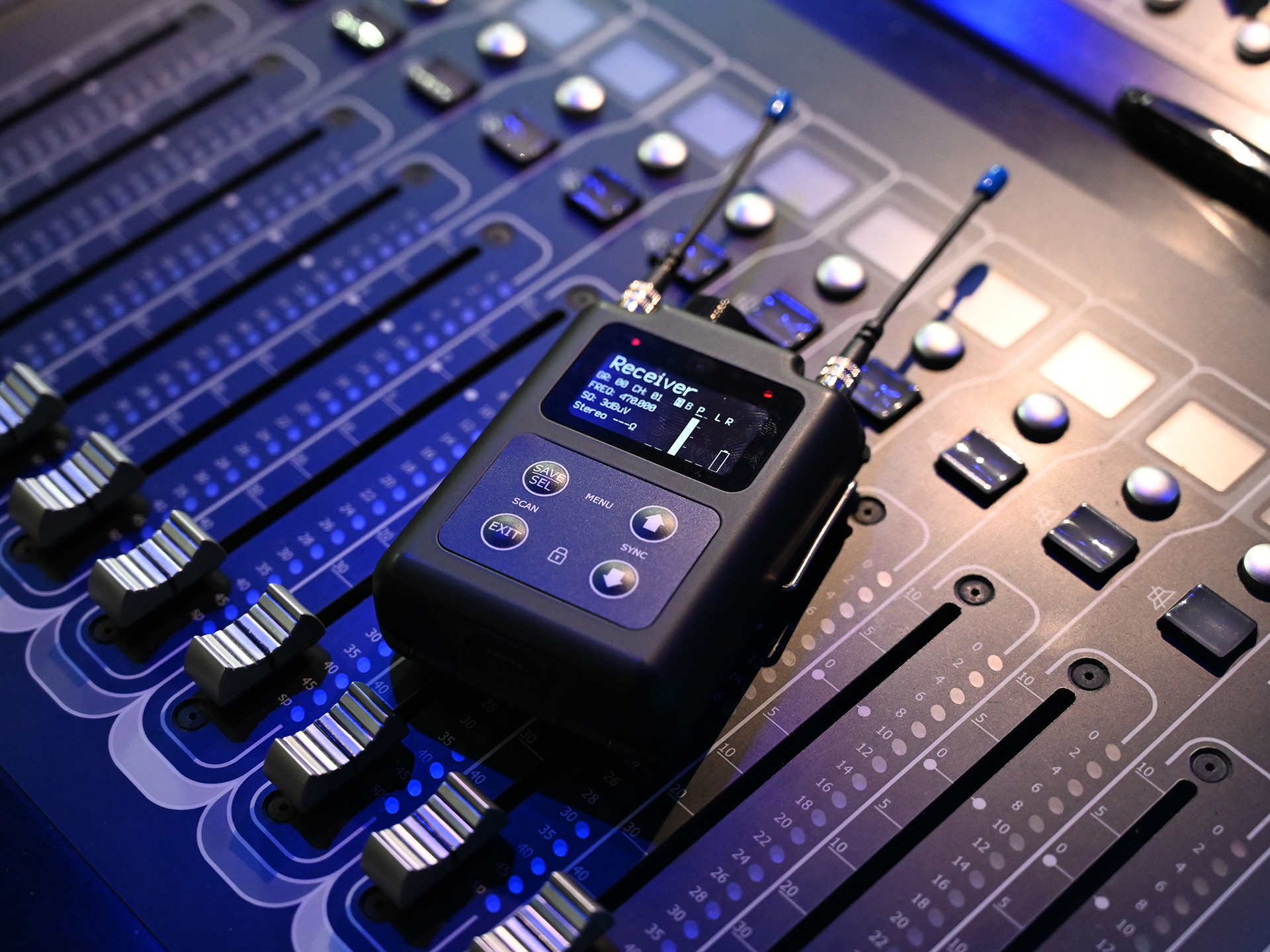
Wisycom MPR60, MATF, and PFL RFoF Box Target Stadium-Scale Wireless for World Cup and OB Fleets
Wisycom's updated MPR60 IFB receiver, MATF wideband antenna matrix, and PFL portable RF-over-fiber box give sports RF crews denser multichannel IFB, consol

Revolutionizing Live Sports: How Advanced Real-Time Graphics Engines Are Shaping the Future of Overlays
Discover how Vizrt's Viz Engine 4 and SportzCast's AI Graphics Studio are revolutionizing live sports with real-time graphics, enhancing viewer engagement and visual storytelling.

