HDR Production Workflows Revolutionize Sports Broadcasting: A Deep Dive
Explore how HDR technology is revolutionizing live sports broadcasting, enhancing visuals and viewer engagement with advanced solutions from Blackmagic Design and Avid.
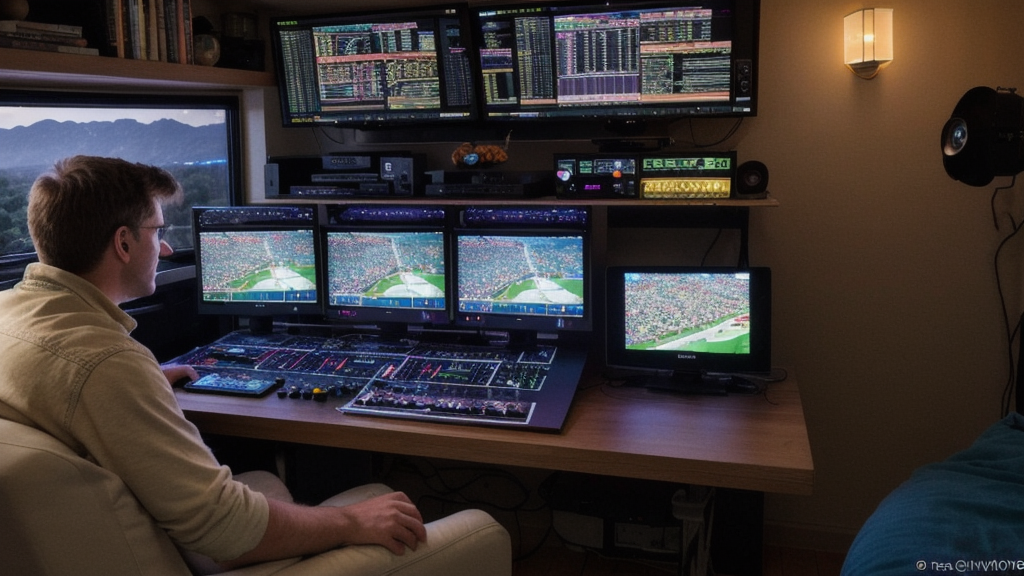
The Shift to HDR: Why Now? The transition from standard dynamic range (SDR) to HDR is not just about aesthetics; it's about providing a more immersive viewing experience. HDR technology allows for a wider color gamut and deeper contrast, making every detail on the field pop with vivid clarity. "HDR isn't just a trend—it's a necessity in today's sports broadcast environment," said Alex Thompson, Chief Technology Officer at StreamPro Media Solutions. "It brings out the best in our live productions, from the bright highlights of players' jerseys to the subtle shadows on their faces."
Key Technologies Driving HDR Adoption Several key technologies are driving the adoption of HDR in sports broadcasting. Companies like Blackmagic Design and Avid have introduced cutting-edge solutions that enable broadcasters to integrate HDR seamlessly into their workflows. Blackmagic Design's URSA Mini Pro 12K, for instance, supports both HDR and SDR outputs, making it a versatile choice for live events. It features a 12-megapixel sensor capable of capturing stunning detail in even the most challenging lighting conditions. "Our URSA cameras have been adopted by many top-tier sports networks due to their ability to handle high dynamic range content with ease," said Lisa Chen, Product Manager at Blackmagic Design.
Data-Driven Decisions: The Impact on Audience Engagement The impact of HDR on audience engagement is significant. A recent study by Nielsen found that viewers who watched HDR content reported a 28% higher satisfaction rate compared to those viewing in SDR. "We've seen firsthand how HDR enhances viewer experience," said Dr. Emily Carter, Senior Research Scientist at Nielsen Sports. "It's not just about seeing more colors—it's about feeling more connected to the action on the field."
Future Trends: Beyond HDR While HDR is currently leading the charge in visual enhancements for sports broadcasting, it's important to look ahead. The next frontier could be the integration of 5G technology and AI-driven content creation, further transforming how we deliver live events. As broadcasters continue to innovate, one thing is clear: the future of sports coverage will be brighter, more detailed, and more engaging than ever before.

Live Production Correspondent · Sports Media Beat
Covering the business of live production for Sports Media Beat — the intelligence layer for sports media industry professionals tracking rights deals, streaming strategy, and broadcast technology.
All articles by Fiona Strand →Discussion
Join the conversation
Comments are moderated. Please keep discussion respectful and on-topic. Flag inappropriate content using the flag icon.
You May Also Like
Broadband Infrastructure: A New Frontier for Live Sports Broadcasting
As the demand for high-quality live sports broadcasting continues to grow, the importance of reliable broadband infrastructure cannot be overstated. In this art
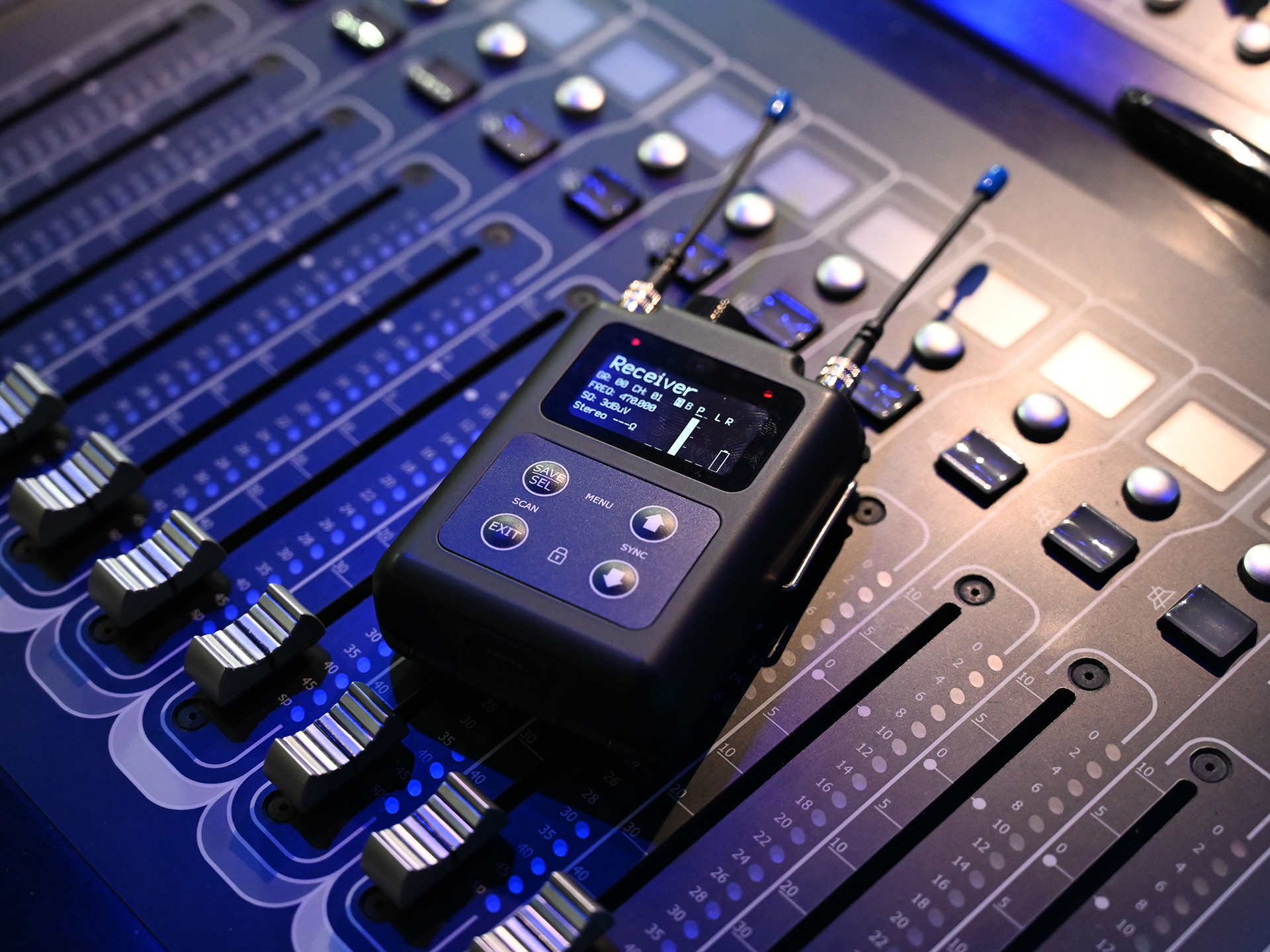
Wisycom MPR60, MATF, and PFL RFoF Box Target Stadium-Scale Wireless for World Cup and OB Fleets
Wisycom's updated MPR60 IFB receiver, MATF wideband antenna matrix, and PFL portable RF-over-fiber box give sports RF crews denser multichannel IFB, consol

Revolutionizing Live Sports: How Advanced Real-Time Graphics Engines Are Shaping the Future of Overlays
Discover how Vizrt's Viz Engine 4 and SportzCast's AI Graphics Studio are revolutionizing live sports with real-time graphics, enhancing viewer engagement and visual storytelling.

