HDR Production Workflows Revolutionize Live Sports Broadcasting: A Closer Look
Discover how HDR technology is revolutionizing live sports broadcasts with advanced workflows and tools from Sony, DaVinci Resolve & Grass Valley.
Embracing HDR: Why Now?
The push towards HDR is not merely about aesthetics; it's about staying competitive in a market where viewers expect top-tier quality. According to a report by MarketsandMarkets, the global HDR market size is projected to reach $25.1 billion by 2030, growing at a compound annual growth rate (CAGR) of 14.8%. This surge underscores the importance of investing in HDR technology. "HDR isn't just about making things look better; it's about providing an immersive experience that keeps viewers engaged," says Dr. Lisa Chen, Chief Technology Officer at ColorFront Technologies. "For broadcasters, this means not only upgrading their equipment but also rethinking how they produce and distribute content."
Key Components of HDR Workflows
To successfully implement HDR in live sports broadcasting, several components must align seamlessly: - Cameras: High-end cameras like the Sony Venice or ARRI Alexa Mini LF are essential for capturing HDR footage. These cameras offer wide dynamic range and color gamut capabilities necessary for HDR. - Color Grading Tools: Advanced grading solutions such as DaVinci Resolve 18 from Blackmagic Design or Adobe Premiere Pro CC ensure that the colors look natural and vibrant on HDR screens. - Transmission Equipment: Robust transmission systems like those provided by Avid and Grass Valley are critical for delivering HDR content without latency or loss of quality. "The transition to HDR is a comprehensive one, requiring broadcasters to invest in end-to-end solutions," explains Tom Smith, Product Manager at Avid. "Our hardware and software work together to ensure that every aspect of the production pipeline supports HDR delivery."
Case Study: NBC Sports’ HDR Journey
NBC Sports has been at the forefront of integrating HDR into their live broadcasts, particularly during major events like the NFL Sunday Night Football and NBA games. Their workflow includes: - Capture: Utilizing Sony's Venice cameras for wide dynamic range footage. - Grading: Using DaVinci Resolve 18 to fine-tune colors and contrast. - Transmission: Leveraging Grass Valley’s K2 Summit ingest system for seamless integration into the broadcast chain. This holistic approach has not only improved the visual quality but also enhanced viewer engagement, as evidenced by increased viewership metrics during HDR-enabled broadcasts.
Conclusion
The adoption of HDR technology in sports broadcasting is poised to elevate the industry standards significantly. By investing in advanced cameras, robust grading tools, and efficient transmission equipment, broadcasters can deliver a superior viewing experience that keeps audiences hooked. As more platforms adopt HDR, staying ahead in this technological race will be crucial for maintaining market leadership.

Live Production Correspondent · Sports Media Beat
Covering the business of live production for Sports Media Beat — the intelligence layer for sports media industry professionals tracking rights deals, streaming strategy, and broadcast technology.
All articles by Reina Voss →Discussion
Join the conversation
Comments are moderated. Please keep discussion respectful and on-topic. Flag inappropriate content using the flag icon.
You May Also Like
Broadband Infrastructure: A New Frontier for Live Sports Broadcasting
As the demand for high-quality live sports broadcasting continues to grow, the importance of reliable broadband infrastructure cannot be overstated. In this art
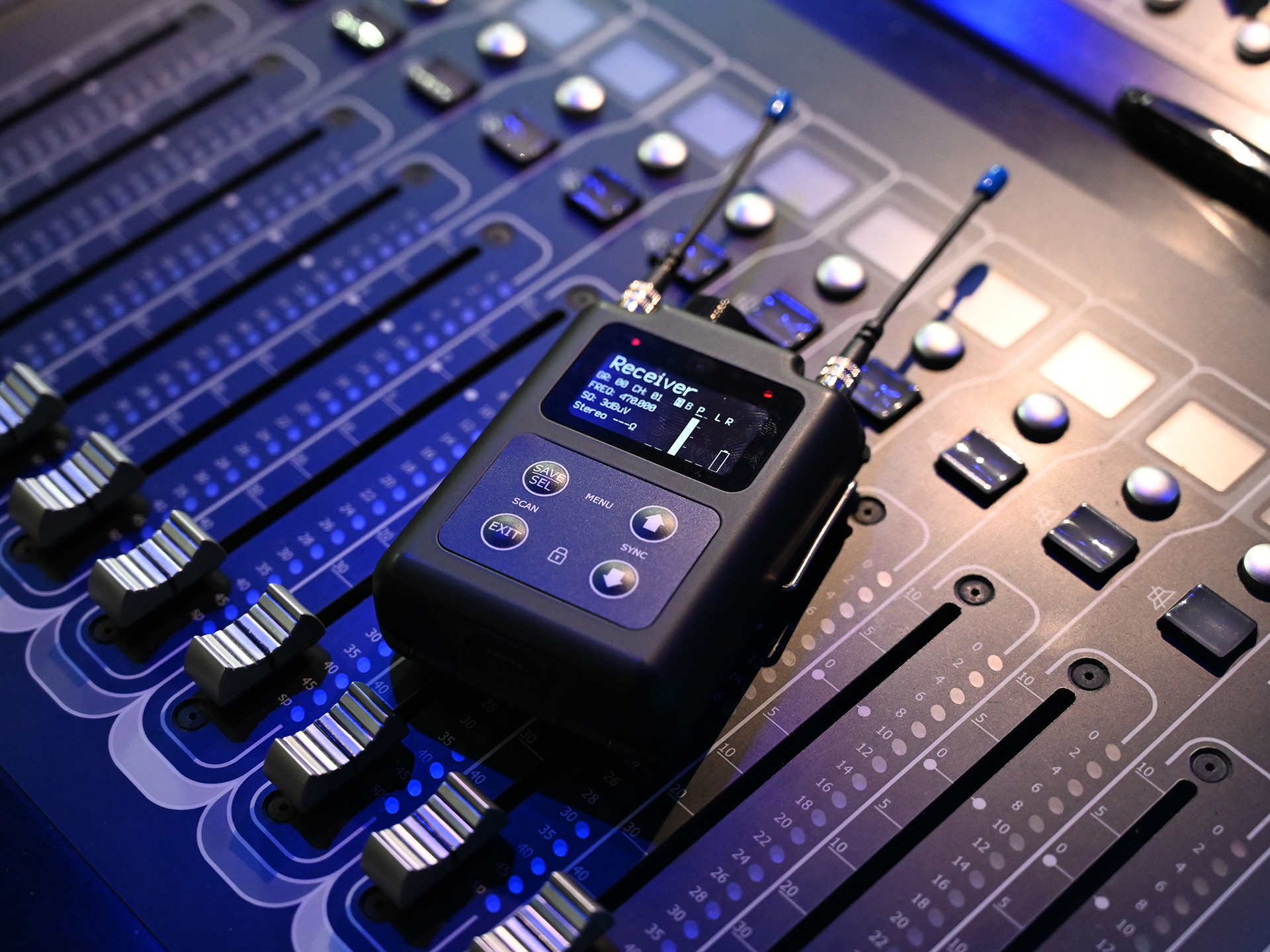
Wisycom MPR60, MATF, and PFL RFoF Box Target Stadium-Scale Wireless for World Cup and OB Fleets
Wisycom's updated MPR60 IFB receiver, MATF wideband antenna matrix, and PFL portable RF-over-fiber box give sports RF crews denser multichannel IFB, consol
Revolutionizing Live Sports: How Advanced Real-Time Graphics Engines Are Shaping the Future of Overlays
Discover how Vizrt's Viz Engine 4 and SportzCast's AI Graphics Studio are revolutionizing live sports with real-time graphics, enhancing viewer engagement and visual storytelling.

