HDR Production Workflows Revolutionize Live Sports Broadcasting
Discover how HDR technology is revolutionizing live sports broadcasts with vivid visuals and enhanced viewer engagement.

High Dynamic Range (HDR) technology is reshaping the landscape of sports broadcasting by delivering more vivid and lifelike images to viewers. With advancements in camera, monitor, and display technologies, HDR offers a wider color gamut and higher contrast ratios, significantly enhancing visual quality.
The Shift to HDR
"The transition to HDR has been nothing short of transformative," says Sarah Chen, Head of Broadcast Technology at Apex Sports Network. "Our live broadcasts now have a depth and clarity that simply weren't possible with standard dynamic range (SDR)." To achieve this level of detail, many broadcasters are adopting HDR-compatible cameras such as the Sony Venice or the Panasonic Varicam LT2. These cameras capture a broader spectrum of light, enabling richer color gradients and more accurate color representation.
Integration Challenges
While HDR offers undeniable benefits, integrating it into existing production workflows presents challenges. "One of the biggest hurdles is ensuring compatibility across all aspects of our broadcast chain," explains John Lee, Production Engineer at Thunder Sports Media. "From cameras to editing suites and even delivery platforms, every step must support HDR to maintain image integrity." To address these issues, broadcasters are leveraging software solutions like DaVinci Resolve by Blackmagic Design, which offers robust HDR grading tools, and using color management systems such as the LUTBOX Pro from Pomfort for consistent color grading across different equipment.
Audience Impact
The impact of HDR on audience engagement is significant. According to a study by Nielsen, viewers who watch content in HDR report higher levels of satisfaction compared to those viewing SDR content. This trend is particularly evident in sports broadcasting, where dynamic action sequences and detailed stadium environments benefit greatly from the enhanced visual fidelity.
Future Outlook
As technology continues to evolve, the adoption of HDR in sports broadcasting will likely accelerate. With new advancements in camera sensors and display technologies, broadcasters can expect even more immersive viewing experiences. "We're just scratching the surface of what HDR can offer," Chen concludes. "The future is bright for live sports production with HDR at its core." In conclusion, HDR is not merely a trend but a fundamental shift in how sports content is produced and consumed. By embracing this technology, broadcasters can deliver exceptional visual experiences that keep viewers engaged and excited.

Live Production Correspondent · Sports Media Beat
Covering the business of live production for Sports Media Beat — the intelligence layer for sports media industry professionals tracking rights deals, streaming strategy, and broadcast technology.
All articles by Quinn Fairbanks →Discussion
Join the conversation
Comments are moderated. Please keep discussion respectful and on-topic. Flag inappropriate content using the flag icon.
You May Also Like
Broadband Infrastructure: A New Frontier for Live Sports Broadcasting
As the demand for high-quality live sports broadcasting continues to grow, the importance of reliable broadband infrastructure cannot be overstated. In this art
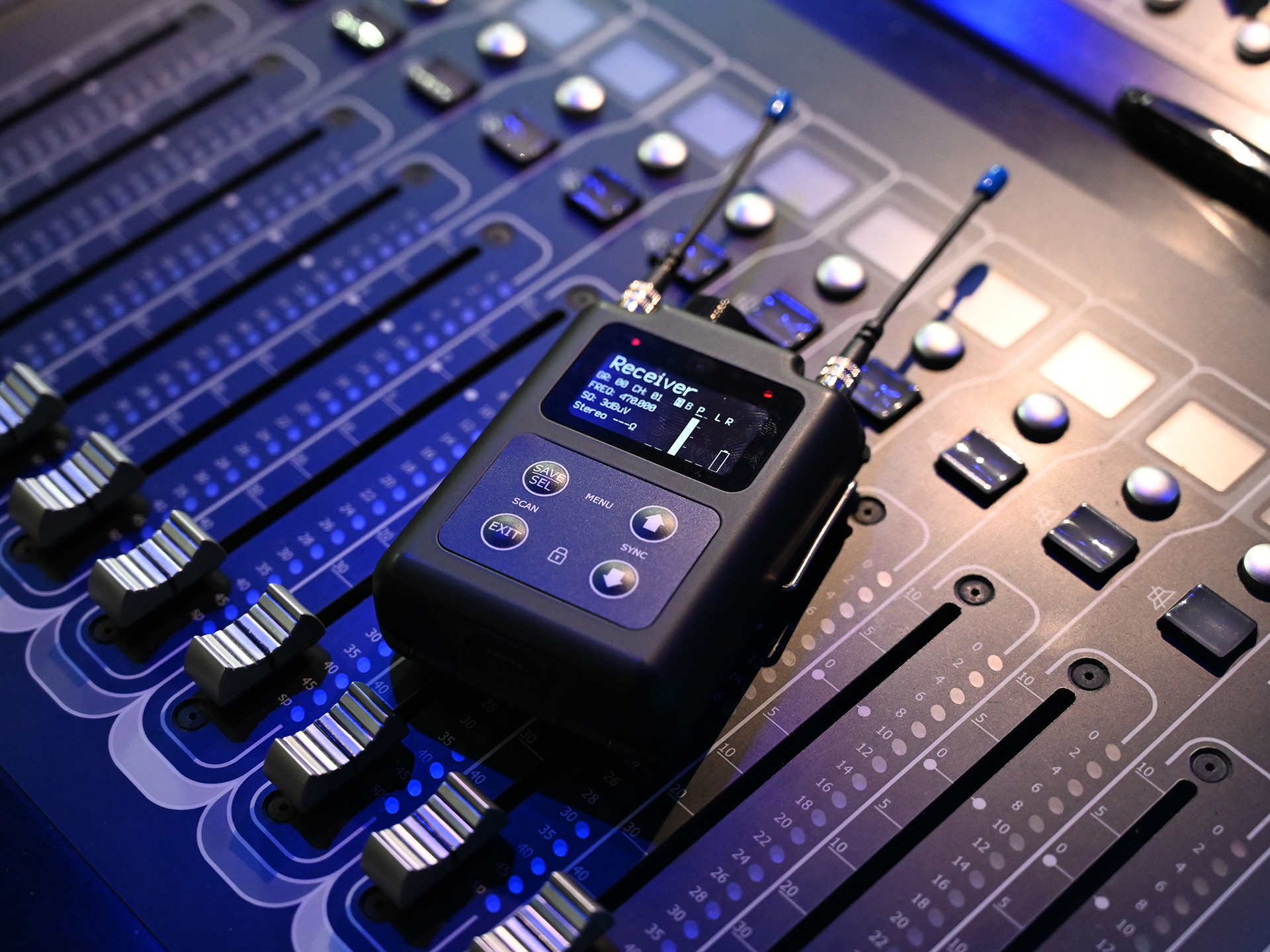
Wisycom MPR60, MATF, and PFL RFoF Box Target Stadium-Scale Wireless for World Cup and OB Fleets
Wisycom's updated MPR60 IFB receiver, MATF wideband antenna matrix, and PFL portable RF-over-fiber box give sports RF crews denser multichannel IFB, consol

Revolutionizing Live Sports: How Advanced Real-Time Graphics Engines Are Shaping the Future of Overlays
Discover how Vizrt's Viz Engine 4 and SportzCast's AI Graphics Studio are revolutionizing live sports with real-time graphics, enhancing viewer engagement and visual storytelling.