Fiber Optic Networks Transform Live Venues: A New Era of Connectivity Solutions
Explore how companies like OptiNet and QuantumConnect are transforming live venues with fiber optics, ensuring seamless broadcasts and immersive experiences for audiences.

The Rise of Fiber Optics in Live Venues
Fiber optics offer unparalleled bandwidth, low latency, and reliability—crucial elements for live events where every second counts. According to a recent survey by Deloitte, 85% of venue managers anticipate significant investments in fiber infrastructure over the next five years. "Fiber optics represent a quantum leap in what we can achieve with our broadcast capabilities," says Sarah Chen, Director of Broadcast Technology at OptiNet Solutions. "Our FiberFlex solution supports up to 100 Gbps data rates, enabling venues to stream multiple high-definition channels simultaneously without any drop-offs."
Enhancing Production Quality and Efficiency
With fiber optics, live production teams can handle complex operations with ease. QuantumConnect's ConnectPro series, for instance, integrates seamlessly with existing infrastructure while providing scalable solutions that adapt to growing demands. "Our technology allows producers to focus on creating exceptional content rather than worrying about connectivity issues," notes John Lee, Chief Engineer at QuantumConnect. "ConnectPro supports all major broadcast standards, ensuring compatibility and quality across the board."
Meeting Future Needs with Flexibility
As sports venues evolve to incorporate augmented reality (AR), virtual reality (VR), and other immersive technologies, flexible fiber optic networks are becoming increasingly vital. The ability to scale infrastructure as technology advances is a key advantage that fiber optics offer. Statistics show that the global market for fiber connectivity in live entertainment is projected to reach $30 billion by 2030, reflecting a strong commitment from stakeholders to adopt these solutions. This growth underscores the transformative impact of fiber optics on enhancing audience experiences and operational efficiency.
Conclusion
The transition to fiber optic networks marks a new era for live venues, setting the stage for unprecedented levels of connectivity, quality, and innovation. As technology continues to evolve, the integration of advanced fiber solutions will be essential in meeting future demands and maintaining competitive advantage in the sports broadcast industry.

Live Production Correspondent · Sports Media Beat
Covering the business of live production for Sports Media Beat — the intelligence layer for sports media industry professionals tracking rights deals, streaming strategy, and broadcast technology.
All articles by Marcus Webb →Discussion
Join the conversation
Comments are moderated. Please keep discussion respectful and on-topic. Flag inappropriate content using the flag icon.
You May Also Like
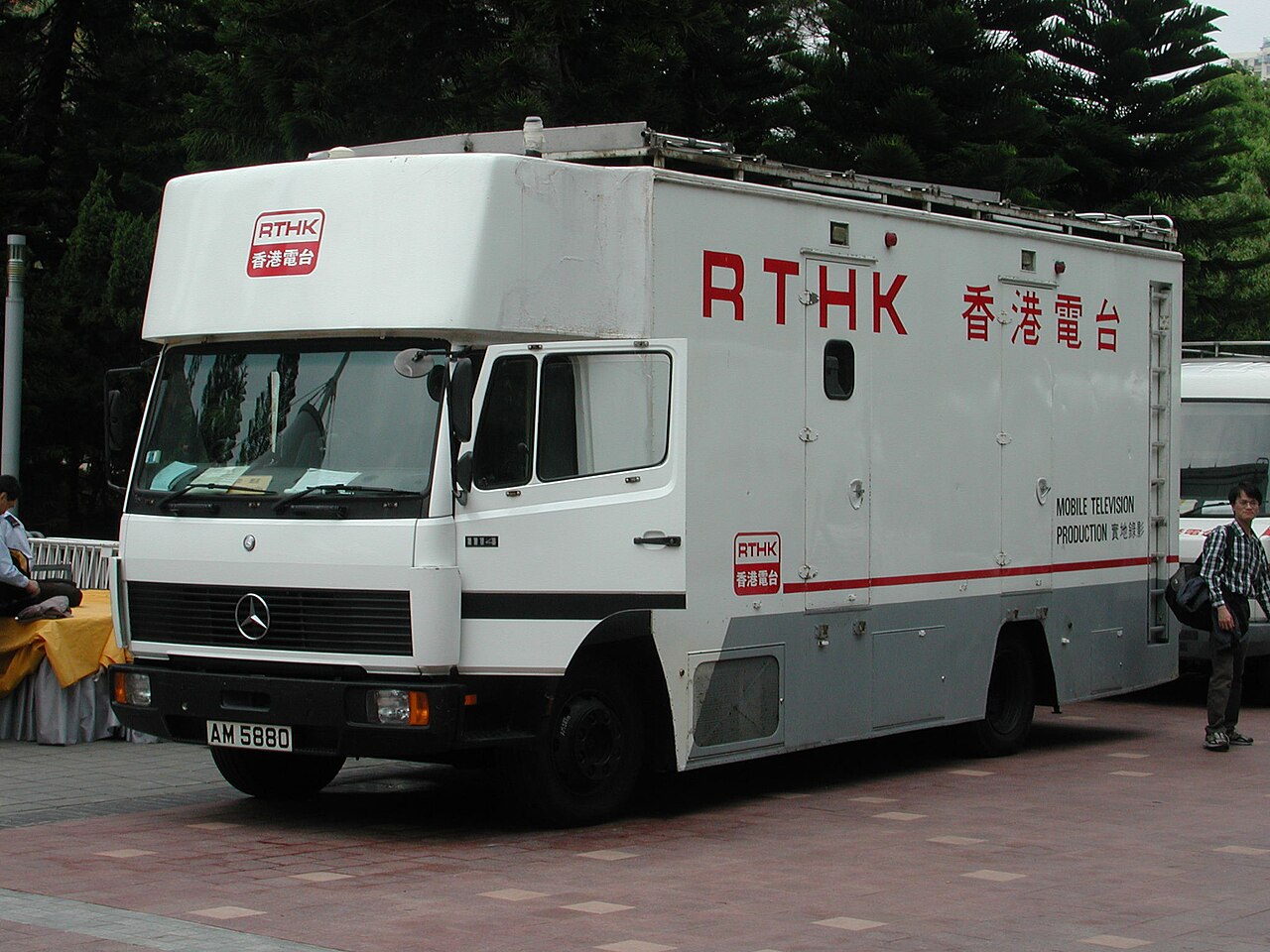
Broadband Infrastructure: A New Frontier for Live Sports Broadcasting
As the demand for high-quality live sports broadcasting continues to grow, the importance of reliable broadband infrastructure cannot be overstated. In this art
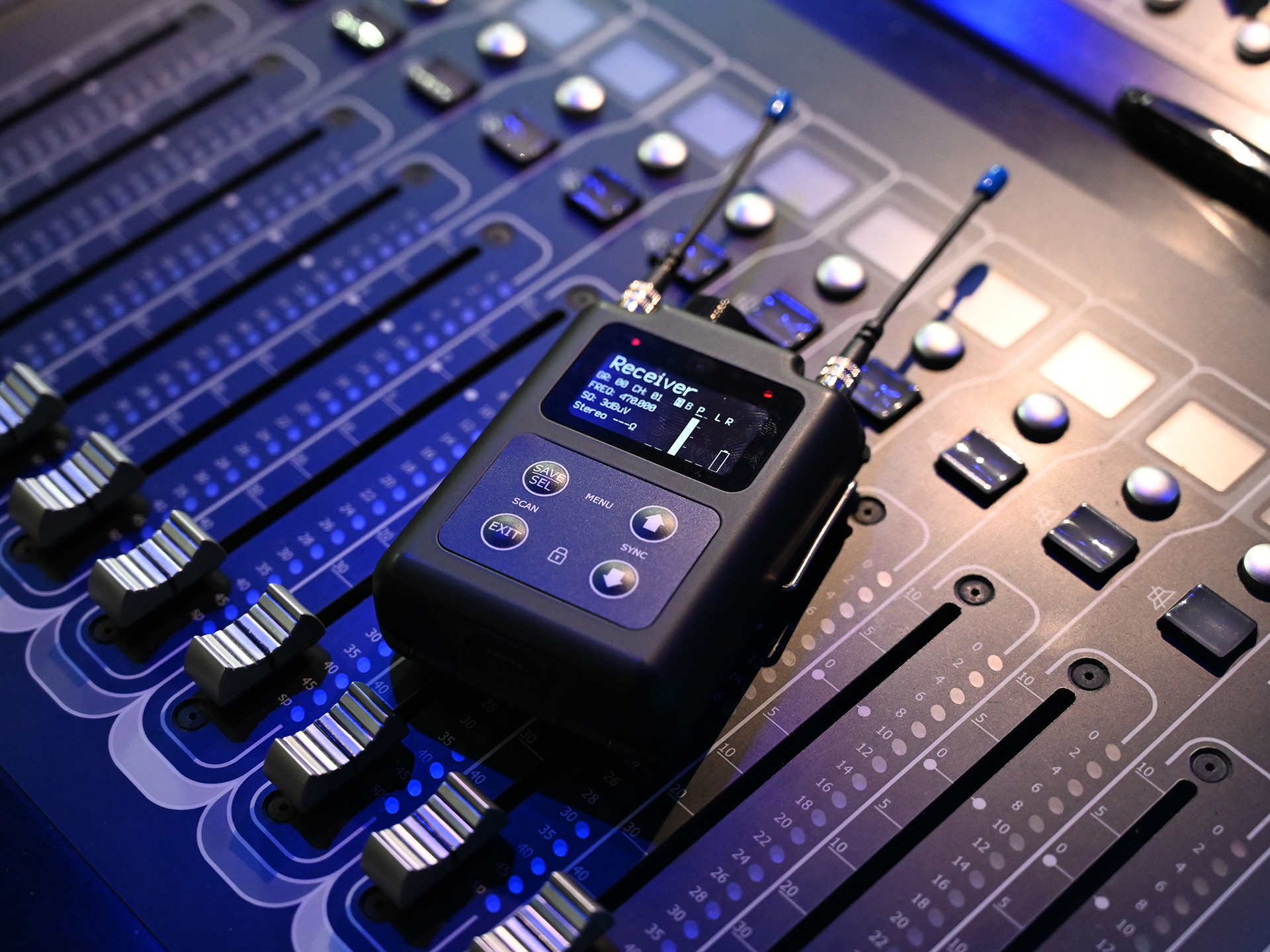
Wisycom MPR60, MATF, and PFL RFoF Box Target Stadium-Scale Wireless for World Cup and OB Fleets
Wisycom's updated MPR60 IFB receiver, MATF wideband antenna matrix, and PFL portable RF-over-fiber box give sports RF crews denser multichannel IFB, consol

Revolutionizing Live Sports: How Advanced Real-Time Graphics Engines Are Shaping the Future of Overlays
Discover how Vizrt's Viz Engine 4 and SportzCast's AI Graphics Studio are revolutionizing live sports with real-time graphics, enhancing viewer engagement and visual storytelling.

