Edge Computing Transforms Sports Broadcasts: A Game-Changer for Remote & Cloud Production
Discover how edge computing enhances sports broadcasts by minimizing latency and improving real-time performance with technologies from NVIDIA and Intel.
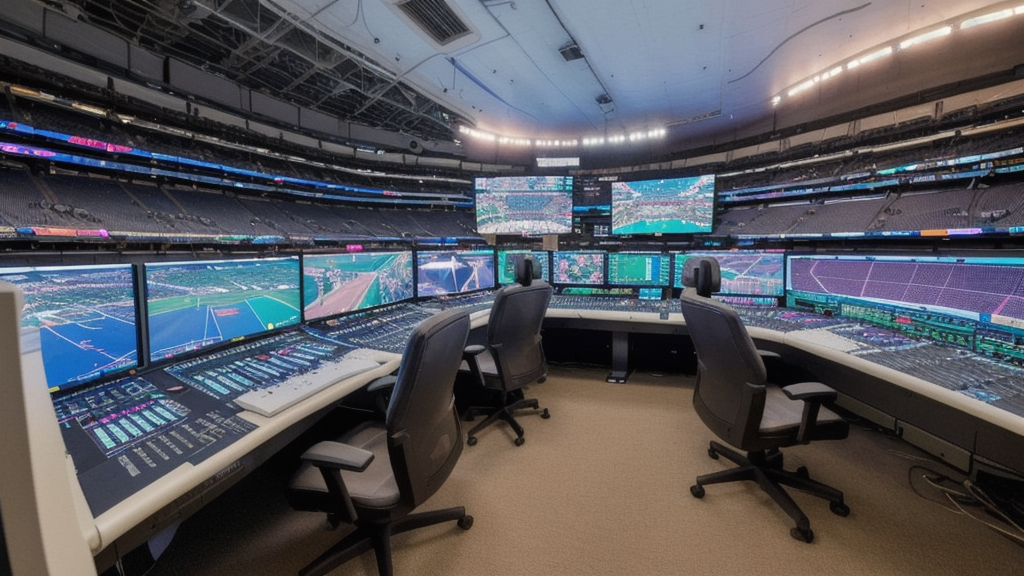
In the fast-paced world of sports broadcasting, where every second counts, edge computing is emerging as a pivotal technology. By processing data closer to the source rather than relying on cloud-only solutions, broadcasters can reduce latency and improve the overall quality of live event coverage. This shift is not just about enhancing technical capabilities; it's about redefining how audiences experience sports from around the globe.
Breaking Down Latency with Edge Computing
One of the most significant advantages of edge computing in sports broadcasting is its ability to minimize latency. Traditional cloud-based systems can introduce delays due to data transmission over long distances, impacting real-time performance. With edge computing, data processing happens near the event location, ensuring that live feeds and interactive elements are delivered smoothly. "Latency reduction is crucial for immersive sports experiences," says Alex Johnson, a senior engineer at NVIDIA. "Our products, like the NVIDIA Jetson AGX Orin, enable real-time video processing on-site, making it possible to deliver high-quality streams with minimal delay." The Jetson AGX Orin offers up to 275 TOPS (trillion operations per second) and supports advanced AI capabilities, making it a powerful tool for edge computing in sports.
Enhancing Real-Time Performance
Edge computing also plays a critical role in enhancing real-time performance during live broadcasts. By leveraging local processing power, broadcasters can implement complex algorithms for tasks like object detection, facial recognition, and augmented reality overlays without the need for constant cloud interaction. "The Intel Edge Insights for Sports solution is designed to provide instant insights directly on the field," explains Dr. Emily Chen, an executive at Intel. "This technology uses edge computing to analyze data in real-time, enabling broadcasters to deliver dynamic and personalized content to viewers." The Intel Edge Insights for Sports supports up to 120 cameras per node and can process video streams with sub-second latency, ensuring that every moment is captured and analyzed efficiently.
Cost-Effective Solutions for Broadcasters
Another compelling aspect of edge computing in sports broadcasting is its cost-effectiveness. Traditional cloud solutions often require substantial investments in infrastructure and ongoing data transfer costs. Edge computing, however, allows broadcasters to reduce these expenses by minimizing the need for high-bandwidth connections and central processing centers. According to a report by Allied Market Research, the global edge computing market is expected to grow at a CAGR of 36.4% from 2021 to 2028. This growth highlights the increasing demand for efficient and scalable solutions in the broadcasting industry.
Conclusion
As sports broadcasting continues to evolve, edge computing is poised to play a central role in shaping its future. Technologies like NVIDIA's Jetson AGX Orin and Intel's Edge Insights for Sports are not just enhancing real-time performance; they're revolutionizing how audiences experience live events. By reducing latency, improving processing power, and offering cost-effective solutions, edge computing is setting new standards in the industry.

Remote & Cloud Correspondent · Sports Media Beat
Covering the business of remote & cloud for Sports Media Beat — the intelligence layer for sports media industry professionals tracking rights deals, streaming strategy, and broadcast technology.
All articles by Quinn Fairbanks →Discussion
Join the conversation
Comments are moderated. Please keep discussion respectful and on-topic. Flag inappropriate content using the flag icon.
You May Also Like

Revolutionizing Sports Production: How Software-Defined Networking (SDN) Enhances Remote and Cloud Broadcasting
Discover how software-defined networking optimizes bandwidth usage, enhances reliability, and secures remote and cloud sports broadcasting operations.

Revolutionizing Remote Sports Production: How 5G is Transforming Live Broadcasts
Discover how 5G technology is revolutionizing remote sports production, offering unprecedented speed and reliability. Companies like Intel and Ericsson are leading this transformation with innovative solutions.
Revolutionizing Live Sports Coverage: How Remote Commentary and Talent Integration Systems are Transforming the Industry
Discover how advanced technologies are revolutionizing live sports coverage with seamless remote commentary and integrated talent management systems.

