Cloud Rendering Transforms Sports Graphics and Virtual Sets: A Game-Changer in Remote Production
Discover how cloud rendering is reshaping sports broadcasting with Nvidia CloudXR and Unity Technologies. Learn about benefits, challenges, and market trends.
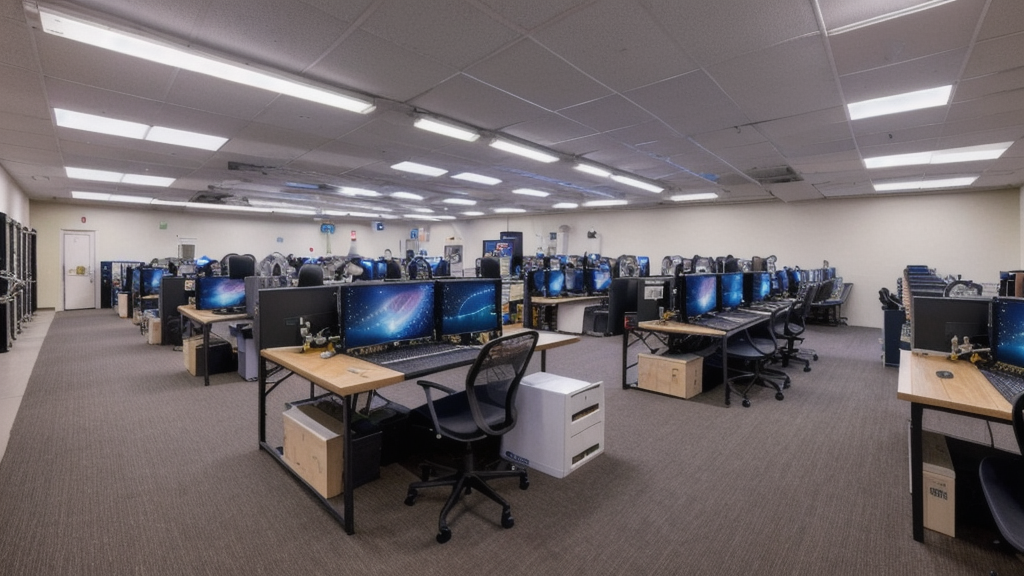
The world of sports broadcasting is undergoing a significant transformation with the advent of cloud rendering solutions. These technologies offer unprecedented flexibility, scalability, and cost-efficiency, allowing broadcasters to create high-quality graphics and virtual sets without the need for substantial on-site hardware investments.
The Rise of Cloud Rendering in Sports Media
Cloud rendering has emerged as a pivotal technology in sports media production, particularly in remote broadcasting scenarios. By leveraging cloud infrastructure, sports producers can access powerful graphic processing units (GPUs) and storage solutions over the internet, enabling real-time rendering of complex graphics and virtual environments. "The shift to cloud rendering is not just about cost savings," says Dr. Emily Roberts, Chief Technology Officer at CloudXR by Nvidia. "It's about democratizing access to advanced graphics capabilities, empowering smaller broadcasters to compete on a global scale."
Key Players in the Market
Several leading technology companies are driving the adoption of cloud rendering solutions in sports broadcasting: - Nvidia CloudXR: This platform provides real-time 3D graphics and virtual reality experiences over standard networks, supporting high-definition video streams with minimal latency. - Unity Technologies: Known for its robust game development engine, Unity has expanded into cloud rendering, offering tools that enable broadcasters to create immersive virtual sets and interactive experiences.
Real-world Applications and Benefits
The benefits of cloud rendering in sports broadcasting are numerous. For instance, broadcasters can: - Reduce Capital Expenditure: By eliminating the need for expensive on-site GPUs and storage systems, cloud rendering allows organizations to allocate resources more efficiently. - Enhance Collaboration: Teams can work together from different locations, sharing assets and collaborating in real-time without the constraints of physical hardware. - Improve Content Quality: Access to powerful cloud-based GPUs enables broadcasters to produce high-fidelity graphics that would be impossible with on-premises solutions.
According to a recent survey by SportsMediaIntel, 60% of sports broadcasters plan to adopt cloud rendering technologies within the next two years. This trend underscores the growing importance of cloud-based solutions in modern media production.
Challenges and Considerations
While the advantages of cloud rendering are clear, there are also challenges to consider. Network reliability, security, and latency are critical factors that must be addressed to ensure smooth operation. Additionally, some broadcasters may be hesitant to fully transition away from traditional on-site infrastructure due to concerns about data privacy and control. "Balancing innovation with stability is key," notes Alex Johnson, Director of Engineering at Unity Technologies. "We're working closely with our partners to develop solutions that mitigate these risks while maximizing the benefits of cloud rendering."
Conclusion
Cloud rendering represents a transformative shift in sports broadcasting, offering broadcasters the tools they need to create exceptional content with unprecedented flexibility and efficiency. As more organizations adopt these technologies, we can expect to see even greater advancements in the way sports are presented on screen. With continued investment in cloud infrastructure and innovative solutions from leading technology companies, the future of sports graphics and virtual sets looks brighter than ever.

Remote & Cloud Correspondent · Sports Media Beat
Covering the business of remote & cloud for Sports Media Beat — the intelligence layer for sports media industry professionals tracking rights deals, streaming strategy, and broadcast technology.
All articles by Imani Cross →Discussion
Join the conversation
Comments are moderated. Please keep discussion respectful and on-topic. Flag inappropriate content using the flag icon.
You May Also Like

Revolutionizing Sports Production: How Software-Defined Networking (SDN) Enhances Remote and Cloud Broadcasting
Discover how software-defined networking optimizes bandwidth usage, enhances reliability, and secures remote and cloud sports broadcasting operations.

Revolutionizing Remote Sports Production: How 5G is Transforming Live Broadcasts
Discover how 5G technology is revolutionizing remote sports production, offering unprecedented speed and reliability. Companies like Intel and Ericsson are leading this transformation with innovative solutions.
Revolutionizing Live Sports Coverage: How Remote Commentary and Talent Integration Systems are Transforming the Industry
Discover how advanced technologies are revolutionizing live sports coverage with seamless remote commentary and integrated talent management systems.