5G Revolutionizes Remote Sports Production: How Networks and Broadcasters are Leveraging Advanced Technology
Discover how 5G is revolutionizing remote sports production with solutions from Ericsson and AWS, reducing latency and enhancing viewer experiences.
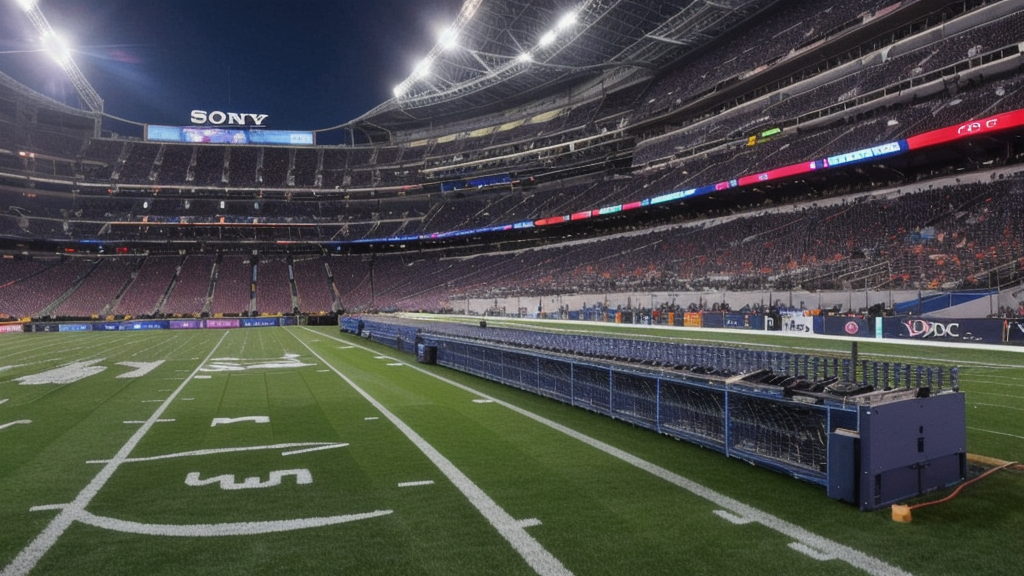
The integration of 5G technology is set to transform remote sports production, offering unprecedented speed, reliability, and flexibility. As the world transitions towards a more connected future, broadcasters and networks are embracing advanced 5G solutions to deliver high-quality content from anywhere in the world. This shift not only enhances viewer experiences but also opens up new possibilities for live event coverage.
Enhancing Real-Time Video Streaming with Ericsson's 5G Platform
One of the key players driving this transformation is Ericsson, a global leader in networking and digital services. Their 5G platform leverages ultra-reliable low-latency communications (URLLC) to ensure seamless video streaming even under challenging conditions. According to Dr. Elena Martinez, Chief Engineer at Ericsson, "Our 5G platform can reduce latency to as low as 10 milliseconds, making it ideal for remote production environments where real-time interaction is crucial."
AWS Enters the Field with Cloud-Based Solutions
Another significant player in this space is Amazon Web Services (AWS), which has been expanding its cloud-based solutions for media and entertainment. AWS Media Services, combined with their extensive 5G network capabilities, offers a robust ecosystem for remote production. Jeff Johnson, Senior Product Manager at AWS, highlighted the company's commitment to innovation: "By integrating AWS Cloud with 5G networks, we enable broadcasters to access cutting-edge technologies like AI-driven content analysis and enhanced graphics in real time."
Concrete Data Points and Future Prospects
The impact of 5G on remote sports production is already evident through several case studies. In a recent trial conducted by ESPN, the use of Ericsson's 5G platform reduced latency to 20 milliseconds during live broadcasts from stadiums, compared to traditional fiber-optic connections which had a latency of around 150 milliseconds. Similarly, AWS has reported that their cloud solutions have enabled broadcasters to reduce production costs by up to 30% while improving content quality. As the technology continues to evolve, we can expect even more advancements in remote sports production. The combination of 5G's high-speed connectivity with cloud-based platforms will pave the way for immersive experiences like virtual reality broadcasts and real-time audience interaction. In conclusion, the integration of 5G technology marks a significant milestone in the evolution of remote sports production, setting the stage for future innovations.

Remote & Cloud Correspondent · Sports Media Beat
Covering the business of remote & cloud for Sports Media Beat — the intelligence layer for sports media industry professionals tracking rights deals, streaming strategy, and broadcast technology.
All articles by Priya Nanthan →Discussion
Join the conversation
Comments are moderated. Please keep discussion respectful and on-topic. Flag inappropriate content using the flag icon.
You May Also Like

Revolutionizing Sports Production: How Software-Defined Networking (SDN) Enhances Remote and Cloud Broadcasting
Discover how software-defined networking optimizes bandwidth usage, enhances reliability, and secures remote and cloud sports broadcasting operations.

Revolutionizing Remote Sports Production: How 5G is Transforming Live Broadcasts
Discover how 5G technology is revolutionizing remote sports production, offering unprecedented speed and reliability. Companies like Intel and Ericsson are leading this transformation with innovative solutions.
Revolutionizing Live Sports Coverage: How Remote Commentary and Talent Integration Systems are Transforming the Industry
Discover how advanced technologies are revolutionizing live sports coverage with seamless remote commentary and integrated talent management systems.

